Kanun teklifi · 2/2100 · Komisyonda
Türkiye Cumhuriyeti Hükümeti ve Sırbistan Cumhuriyeti Hükümeti Arasında Sinematografik Ortak Yapım Anlaşmasının Onaylanmasının Uygun Bulunduğuna Dair Kanun Teklifi
Teklif ile, Türkiye ve Sırbistan arasındaki dostane ilişkiler temelinde ortak film ve dizi yapımını teşvik etmek için bir çerçeve oluşturulmasını öngören Türkiye Cumhuriyeti Hükümeti ve Sırbistan Cumhuriyeti Hükümeti Arasında Sinematografik Ortak Yapım Anlaşması’nın onaylanmasının uygun bulunması amaçlanmaktadır.
TBMM kaydındaki özet.
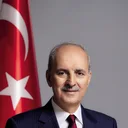
İlk imza
Numan Kurtulmuş
AK Parti · İstanbul
Komisyon süreci
- 15 NİSAN 2024Sunuldu
- ESAS KOMİSYONDışişleri KomisyonuGeliş 16 Nisan 2024 · Komisyonda
- TALİ KOMİSYONMilli Eğitim, Kültür, Gençlik ve Spor KomisyonuGeliş 16 Nisan 2024 · Komisyonda
Genel gerekçe
Teklifi verenlerin neden gerekli gördüğünü anlattığı bölüm (teklif metninden).
Gerekçeyi oku
Sinematografik ortak yapım anlaşmaları, filmlerin ve televizyon dizilerinin ortak
yapımına ilişkin esasları belirleyerek, taraf ülkelerin gözetiminde sinematografik ortak
yapımların gerçekleştirilmesine ve bu sayede halklar arasında kültürel bağların geliştirilmesine
önemli katkı sağlamaktadır.
Sinematografik ortak yapımların, taraf ülkelerdeki film ve dizi endüstrisine ve bu
bağlamda
ülkelerin
kültürel
ve
ekonomik
gelişimine
de
yarar
sağlayacağı
değerlendirilmektedir.
Bu çerçevede, "Türkiye Cumhuriyeti Hükümeti ve Sırbistan Cumhuriyeti Hükümeti
Arasında Sinematografik Ortak Yapım Anlaşması" 18 Ocak 2022 tarihinde Ankara'da
imzalanmıştır.
Türkiye ve Sırbistan arasındaki dostane ilişkiler temelinde ortak film ve dizi yapımını
teşvik etmek için bir çerçeve oluşturmak amacıyla hazırlanan Anlaşmanın, Sırbistan ile ikili
ilişkilerimizin ilerlemesine katkı sağlayacağı değerlendirilmektedir.
rşt
e
✩
ü
TÜRKİYE CUMHURİYETİ HÜKÜMETİ VE SIRBİSTAN
CUMHURİYETİ HÜKÜMETİ ARASINDA SİNEMATOGRAFİK ORTAK
YAPIM ANLAŞMASI
Türkiye Cumhuriyeti Hükümeti ve Sırbistan Cumhuriyeti Hükümeti (bundan böyle
münferiden "Taraf' ve müştereken "Taraflar" olarak amlacaklardır) filmlerin ve televizyon
dizilerinin ortak yapmumn, Taraflar arasındaki kültürel bağlantıları teşvik edeceği düşüncesi
ile görüş birliğine varmışlardır;
12 Nisan 2002 tarihinde imzalanan "Türkiye Cumhuriyeti Hükümeti ve Yugoslavya Federal
Cumhuriyeti Hükümeti Arasında Eğitim, Bilim, Kültür ve Spor Alanlannda İşbirliği
Anlaşması" ve 19 Şubat 2009 tarihinde imzalanan "Türkiye Cumhuriyeti Kültür ve Turizm
Bakanlığı ve Sırbistan Cumhuriyeti Kültür Bakanlığı Arasında Kültürel İşbirliği Protokolü"
ve özellikle bu Protokolün 10. ve 12. Maddeleri göz önüne alınarak;
Aşağıda belirtilen hususlarda mutabakata varmışlardır;
1. Madde
Amaç
Taraflar arasında yapılan işbu Anlaşma, filmlerin ve televizyon dizilerinin ortak yapımına
ilişkin esasları tanımlamayı amaçlamaktadır.
2, Madde
_
Kapsam ve Tanımlar
1. İşbu Anlaşma, Taraflarca alınacak ve filmlerin ve televizyon dizilerinin ortak yapımım
etkileyecek önlemler açısından geçerlidir.
2. İşbu Anlaşma için:
(a) "Yetkili Makamlar"
(i) Türkiye Cumhuriyeti Hükümeti için: Kültür ve Turizm Bakanlığı, Sinema
Genel Müdürlüğü
(ii) Sırbistan Cumhuriyeti Hükümeti için: Sırbistan Kültür ve Enformasyon
Bakanlığı, Sırbistan Film Merkezi'dir.
(b) "Ortak Yapımcı", sinematografik eserin yapımı, finansmam ve diğer koşullann
sağlanması için gerekli düzenlemeleri üstlenen ve bir ortak yapım sözleşmesi ile bağlı
olan, Taraflann topraklarında yerleşik bir kişi veya kuruluş anlamına gelmektedir.
(c) "Ortak Yapım" veya "ortak yapım film", ilk olarak sinemalarda veya telemyon
kanallannda gösterilmesi amaçlanan, kurgu, animasyon ve belgeseller dahil, uzujlı^^
veya türü fark etmeksizin sesli veya sessiz sinematografik bİE^eşg anlamın/gSlİf'.
V\
V-'-
/
3. Madde
Onay ve Süreçler
1. İşbu Anlaşma çerçevesindeki ortak yapım filmler ve televizyon dizileri yetkili
makamlarca onaylamr.
2. İşbu Anlaşma kapsammda bir ortak yapımın onaylanması için başvuru, işbu
Anlaşmamn ayrılmaz bir parçasını oluşturan Ekler bölümünde belirtilen çalışma
ilkelerine uygun olacaktır. Ancak, yetkili makamlar belli bir durumda ortaklaşa
onayladıkları geçici kurallar uyarınca ortak yapımcıları birlikte yetkilendirebilirler.
3. Ortaklaşa bir yönetim veya kontrol ile bağlantılı ortak yapımcılann projesine, bu tür
bir ortaklığın, özellikle ortak film veya televizyon dizisi yapımı amacıyla kurulması
istisnası dışında onay verilmeyecektir.
4. Ortak film ve televizyon dizisi için yapılan bir önerinin yetkili makamlarca onayı, onay
sonrasında yapımı gerçekleşen film ve televizyon dizilerinin gösterilmesi veya
dağıtılması için izin veya yetki anlamma gelmez.
5. Ortak yapım film ve televizyon dizileri, katılımcı ortak yapımcılann ülkelerindeki ilk
gösterim gerçekleştirilene kadar tamamlanacak, işlemden geçirilecek, seslendirilecek
veya bunlann alt yazısı tamamlanacaktır. Ancak, senaryonun veya film ve televizyon
dizilerinin konulanmn gerektirmesi durumımda, ortak yapımda yer almayan bir ülkedeki
iç ve dış mekanlanndaki çekimler için o ülke yetkili makamlarından izin alınabilecektir.
Benzer şekilde işlem, seslendirme veya alt yazı hizmetlerinin, ortak yapımda yer alan bir
ülkede, istenilen kalitede gerçekleştirilememesi halinde, yetkili makamlar bu tür
hizmetlerin üçüncü bir ülkedeki tedarikçiden satın alınmasım onaylayabilir.
4. Madde
Ortak Yapımcıların Yerine Getirmesi Gereken Hususlar
1. Taraflardan birinin ortak yapımcısının, söz konusu Tarafın ortak yapım için onayladığı
koşullan yerine getirememesi veya ortak yapım Anlaşmasmm, bir Tarafın ortak
yapımcısı tarafından esasına ilişkin biçimde ihlal edilmesi, diğer Tarafın^ prodüksiyonun
ortak yapım statüsünden ve yönetici hak ve menfaatlerinden vazgeçmesine neden olabilir.
2. Ortak yapımdan yarar sağlamaya hak kazanmak için ortak yapımcılar, yapımın başarılı
bir biçimde tamamlanmasını teminen gereken teknik organizasyona, yeterli mali desteğe,
yetkin bir mesleki itibara ve niteliklere sahip olduklarım kendi yetkili makamlanna
kamtlarlar.
3. Mezkur Anlaşma kapsamındaki avantajlardan yararlanmak için ortak yapımcılar,
katılımcı Tarafların yasa ve mevzuatlarına uyacaklardır.
r«fcx
tc
f/
•A p»
r
»T
\
V
5. Madde
Gerçek Kişilerin Yerine Getirmesi Gereken Hususlar
1. Ortak yapımlarda yer alan yapımcılar, ortak yapımcılar, yazarlar, senaryo yazarları,
oyuncular, yönetmenler, çalışanlar ve teknisyenler Tarafların yürürlükte bulunan ulusal
mevzuatlan uyannca, bu Tarafların yurttaşı olmalıdırlar.
2. Ortak yapımlarda yer alan yapımcılar, ortak yapımcılar, yazarlar, senaryo yazarları,
oyuncular, yönetmenler, çalışanlar ve teknisyenler üçüncü bir ülkede yaşıyor olabilirler.
3. Ortak yapım gerektiriyorsa, bu Maddenin birinci paragrafında yer alan koşulları
taşımayan çalışanlarm katıhmma sadece istisnai koşullarda yetkili makamlann onayı ile
izin verilebilir.
4. Her bir Taraf, kendi sosyal güvenlik mevzuatı bağlamında Tarafların yurttaşı olan
yapım ekibinin sosyal güvenlik yükümlülükleri ile ilgili sorumluluklarım yerine
getirmelidir.
5. Senaryo gerektiriyorsa. Tarafların ulusal mevzuatlan uyannca izin verilen dillerden
başka bir dilin ortak yapımda kullanımı söz konusu yapıma eklenebilir.
6. Madde
Ulusal Düzeyde Yapılacak İşlemler
1. Bu Anlaşma uyarmca, gerçekleştirilen herhangi bir ortak yapım, yetkili makamlarca
bir ulusal film veya televizyon dizisi şeklinde ele alınacak olup, Taraflann yürürlükteki
ulusal mevzuatlarına tabi bulunacaktır. Bu tür ortak yapımlar, her bir Tarafm ulusal
mevzuatı uyarınca veya her bir Tarafça kararlaştınlabilecek kazanımlardan yararlanma
hakkına sahip olacaktır. Bu kazammlar sadece bunlan ortaya koyan Tarafın ortak
yapımcısımn payma düşer.
2. Bir ortak yapım film veya televizyon dizisinin pazarlanması veya ihracı ile ilgili tüm
konularda her bir Taraf, ortak yapım film ve televizyon dizisine aym statüjâi verecek ve
o Tarafın yürürlükteki ulusal mevzuatına tabi olacak biçimde yerli ürün olarak işlem
yapacaktır.
7. Madde
Kotaya Sahip Üçüncü Ülkelerde Pazarlama
1. Eğer bir ortak yapım film ve televizyon dizisi her iki Taraf ile ilgili kota düzenlemesi
olan bir ülkede pazarlamyorsa, ortak yapımm çoğunu gerçekleştiren ülkenin kotasına
dahil edilir; ortak yapımcıların katkılarınm eşit düzeyde olması durumunda, ortak
yapımın yönetmeninin vatandaşı olduğu Tarafm kotasına dahil edilir.
2. Eğer ortak yapım bir film veya televizyon dizisi Taraflardan sadece biri ile ilgili kota
düzenlemesi bulunan bir ülkede pazarlamyorsa, ortak yapım fıhn veya televizyon dizisi
kotaya tabi olmayan Tarafça pazarlanacaktır.
si < —
\
V
-v
ü-/.\
7r -»•
V- . V S5
a >>
8. Madde
Ortak Yapım Kapanış Jenerikleri ve Festivaller
1. Tüm ortak yapım filmler ve televizyon dizileri "Türk-Sırp Ortak Yapımı" veya "SupTürk Ortak Yapımı" olarak tammlamr.
2. Bu tür tanımlamalar, ortak yapım filmler ve televizyon dizileri kamuya açık olarak
gösterildiği zaman tüm ticari reklam ve tanıtıcı materyalde ayrı bir kapamş jeneriği başlığı
olarak gözükür.
3. Yetkili makamlarca aksi kararlaştınimadığı sürece, ortak yapım filmler ve televizyon
dizileri ortak yapımın çoğunu gerçekleştiren yapımcı Tarafça uluslararası film
festivallerinde sunulur.
4. Eşit katkı temelinde üretilen ortak yapım filmler ve televizyon dizileri yönetmenin
yurttaşı olduğu Tarafça uluslararası film festivallerinde sımulur.
9. Madde
Ortak Yapımlara Katkı
1. Tarafların yapuncılanmn her bir ortak film ve televizyon dizisi için mali katkısı yüzde
yirmi (20) ila yüzde seksen (80) arasmda değişiklik gösterebilir. İlaveten, yapımcılardan,
ortak yapım film ve televizyon dizisi için yaptıkları mali yatırım oramnda etidli bir teknik
ve yaratıcı katkı,da beklenir. Teknik ve yaratıcı katkı, yazarlar, oyuncular, teknik yapım
personeli, laboratuvarlar ve tesislerin birleşik paylarmdan oluşur.
2. Yukarıda bahsedilen ilkelerde herhangi bir istisna, bazı özel durumlarda iki ülkenin
yapımcılanmn her birinin mali katkılanmn yüzde on (10) ila doksan (90) arası olmasına
karar veren yetkili makamlarca onaylanmalıdır.
3. Türk ortak yapımcı veya Sırp ortak yapımcmm birçok yapım şirketi tarafmdan
oluşması durumunda, her bir şirketin mali katkısı, ortak yapım film ve televizyon
dizisinin toplam bütçesinin yüzde beşinden (5) daha az olamaz.
4. Üçüncü bir ülkeden bir yapımcmm ortak yapımda yer almasma izin verilmesi
durumunda, mali katkısı yüzde ondan (10) az olamaz. Üçüncü bir ülkeden bir yapımcı
birçok yapım şirketinden oluşuyorsa, her bir şirketin mali katkısı ortak yapım film ve
televizyon dizisinin toplam bütçesinin yüzde beşinden (5) daha az olamaz.
10. Madde
Gerçek Kişilerin ve Film veya Televizyon Dizisi Ekipmanının Girişi ve Geçici
Kalışı
1. Yürürlükteki yasa ve mevzuatma uygun olarak her bir Taraf, ortak yapım amacı için
katılımcı Taraflann ortak yapımcı tarafindan işe alman sanatsal ve teknik persopSJi ye
sanatçılarımn kendi ülkesine girişlerini ve geçici sürelerle ^dj^mnı kolaylâşSfeiE.
e
fi-y.:
ti
7'b
2. Taraflar, yürürlükteki yasa ve mevzuatları uyarınca, bu Anlaşma kapsamında üretilen
ortak yapım film ve televizyon dizisi için gerekli herhangi bir film veya televizyon dizisi
ekipmanımn kendi ülkelerine geçici olarak ithalini ve yeniden ihracını sağlar.
11. Madde
Kar Dağıtımı
Karm ortak yapımcılar arasında dağıtımı her bir ortak yapımcımn katkısı oranmda olur.
12. Madde
Fikri Mülkiyet Hakları
1. Bu Anlaşmamn amaçlan doğrultusunda ve konuya ilişkin Ek'in 3(a) Maddesinde
belirtilen hükümler uyarınca, sinematografik çalışmanm herhangi bir unsurunda yer alan
herhangi bir fikri mülkiyet hakkı bağlamında, ortak yapımcılar, bu hakkm, eserin
yaratılmasına katkıda bulunan kişilerin eser sahipliği ve/veya hak sahipliği (Taraflarm
ulusal yasalan uyarınca) kavramı içinde yer almaşım sağlarlar.
2. Sahiplik ve lisanslama ile ilgili olanlar da dahil olmak üzere bir ortak yapım ve
televizyon dizisinin fikri mülkiyet haklarmın tahsisi ortak yapım sözleşmesinde yer alır.
3. Her bir ortak yapımcı orijinal ortak yapım materyaline ücretsiz erişime ve bunlan
kopyalama ve bunlardan suret çıkarma hakkına sahip olur, ancak ortak yapım
sözleşmesinde, ortak yapımcılar tarafından kararlaştırılmış istisnalar dışında, söz konusu
materyaldeki fikri mülkiyet hakkının herhangi bir kullanım veya tahsis hakkından
yararlanamaz.
4. Her bir ortak yapımcı, orijinal negatifin fiziksel kopyasınm ve ana ortak yapımm
üretildiği diğer kayıt aracının ortaklaşa bir temelde sahibi olur, ancak ortak yapım
sözleşmesinde ortak yapımcılar tarafından kararlaştırılması dışmda, söz konusu fiziksel
kopyamn içerebileceği herhangi bir fikri mülkiyet hakkına dahil olmaz.
5. Ortak yapım film negatifi üzerinde gerçekleştirildiği zaman, negatifler ortak yapımcılar
tarafından birlikte seçilen bir laboratuvarda işleme tabi tutulur ve ortaklaşa biçimde
kararlaştırılan bir isimle orada muhafaza edilir.
6. Her bir yapımcı, bu maddenin 1. ve 2. Paragrafları uyarınca, ortak yapımm
üretilmesiyle ilgili haklar uyarınca, sinematografik eserin ilk kaydımn orijinal kopyasım
alma hakkım elde eder.
y.Ortak yapımcılar, ortak yapımı takiben, her bir Tarafa ortak yapımın alt yazılı bir
kopyasım vermelidir.
13. Madde
Film ve Televizyon Dizisi Ortak Yapım Alt Komitesi
1. İşbu Anlaşmamn verimli bir biçimde uygulanması ve yürütülmesi amacıyla her'Bk^
Tarafın yetkili makamlarımn temsilcilerinden müto.^^jl ve
başkanlığında (bundan böyle bu maddede "Alt Konır^^^Ş^^jP^dm^açül^
\
televizyon dizisi ortak yapımları alt komitesi bu vesil^fe
nl^ie oîuştuMtri^t
omşmMtr.^tfcomî^^
fcomît^ıön işieyi!
işieyi:
aşağıdaki şekildedir:
ib-î(K
•
•*. ıT
."•7
-V
^ s
V-i-v
Film ve televizyon dizisinin ortak yapımı bağlamında işbu Anlaşmanın
(a)
uygulanması ve işleyişinin gözden geçirilmesi ve denetlenmesi;
(b)
Taraflar arasında ticari ilişkilerin geliştirilmesi ve işbu Anlaşma
bağlamında bir ortak yapım için başvuru ve onay süreçlerinin yönetiminin verimli ve
şeffaf olmasının teşvik edilmesi amacıyla film ve televizyon dizisi ortak yapımları ile
ilgili konulann müzakere edilmesi;
film yapımı alamnda işbirliğini daha fazla teşvik edecek girişimlerin
(c)
önerilmesi;
f
(d)
bulgulann ve müzakere sonuçlanmn Ortak Komisyonca rapor edilmesi; ve
(e)
getirilmesi.
Ortak Komisyon tarafından verilebilecek diğer görevlerin yerine
2. Alt Komite'nin faaliyetleri, Taraflann yetkili makamlanmn görev alanları
çerçevesinde, aralannda mevcut bulunan veya gelecekte olabilecek ilişkilere herhangi bir
halel getirmez.
3. Taraflar, üyeleri diplomatik kanallar yolu ile belirlenecek "Alt Komite"nin oluşumu
hakkında bilgilendirilirler.
14. Madde
Yürürlüğe Girme
1. İşbu Anlaşma, ilgili yasaları uyannca, yürürlüğe girmesi için gereken tüm hükümlerin
yerine getirilmesi ile ilgili olarak Taraflarm birbirlerini haberdar etmelerine ilişkin nihai
Diplomatik Nota'yı aldıklan tarihte yürürlüğe girer.
2. İşbu Anlaşma beş (5) yıllık bir süre için geçerli olur ve Anlaşmanın sona erme
tarihinden altı (6) ay önce, Taraflardan biri diğerine Anlaşmayı sonlandırma niyetini
diplomatik kanallardan yazılı olarak bildirmediği sürece, otomatik olarak beş (5) yıllık
sürelerle uzatılır.
3. Taraflardan her biri, niyetini diplomatik kanallardan yazılı olarak diğer Tarafa
bildirerek işbu Anlaşmayı feshedebilir. Bu durumda, işbu Anlaşma, bildirimin alındığı
tarihten üç (3) ay sonra feshedilir.
4. İşbu Anlaşma herhangi bir zamanda Taraflann karşılıklı yazılı onayı ile tadil edilebilir.
Düzeltmeler, bu Maddenin birinci Paragrafında belirtilen aynı yasal sürece uyularak
yürürlüğe konur.
5. işbu Anlaşmanın uygulanması sırasında ortaya çıkabilecek tüm anlaşmazlıklar ve
uyuşmazlıklar, istişare ve müzakere yoluyla çözülür.
6. Yetkili makamlar tarafından onaylanan ortak yapımlar ve herhangi bir-Tarafıh dşbu
Anlaşmanm sona ermesine ilişkin yaptığı bildirim tarihinde devam edenvöri^syaplmİar,
tamamlanana kadar, Anlaşma hükümlerinden tümü^^^^^a^ayı sürdüriirîef.T ' -
7. İşbu Anlaşmanın sona ermesi durumunda, tamamlanmış ortak yapımlardan elde edilen
gelirlerin paylaşımına yönelik hükümleri devam eder.
Yukandaki hususlar muvacehesinde, aşağıda imzası bulunanlar, kendi Hükümetleri
tarafından usulüne uygun olarak yetkilendirilmiş olup, işbu Anlaşmayı 18 Ocak 2022
tarihinde Ankara'da tüm metinler eşit derecede geçerli olmak üzere, Türkçe, Sırpça ve
İngilizce dillerinde ikişer nüsha olarak imzalamışlardır. Bu metinlerin yorumlanmasında
ortaya çıkacak anlaşmazlıklann çözümünde İngilizce nüsha esas almır.
TÜRKİYE CUMHURİYETİ
SIRBİSTAN CUMHURİYETİ
HÜKÜMETİ ADINA
HÜKÜMETİ ADINA
Mehmet Nuri ERSOY
Kültür ve Turizm Bakanı .
Kül
Maja GOKOVIC
aşbakan Yardımcısı
ve Enformasyon Bakanı
T
K22
i r-
'v
\
«ö .
\\ '■.ei ' /
MADDE 3(2VDE ATIFTA BULUNULAN
GÖRSEL ÎSİTSEL HİZMETLER BÖLÜMÜNE EK
USUL KURALLARI
1.Ortak yapımın yarar sağlaması için çekilecek bir film veya televizyon dizisinin
yeterliği açısından başvurular filmin veya televizyon dizisinin yapımımn veya perdede
canlandmlmasımn başlamasından en az altmış (60) gün önce yetkili makamlara
gönderilmelidir. Başvurular, mali katb payı en yüksek olan Tarafın görüşünü
açıklamasından sonraki bir ay içinde yetkili makamlar tarafından değerlendirilecektir.
Karar, on (10) gün içinde başvuru sahiplerine bildirilecektir. Mali katkı payı en yüksek
olan Taraf ve yetkili makamlar tasdik ederlerse ortak yapım onaylanmış olarak kabul
edilecektir.
2. Yetkili Makamlar, ortak yapmı için bu tür bir başvuru ile ilgili kararlarım işbu Ek'te
listelenen belgelerin tam olarak sunulduğu tarihten itibaren otuz (30) gün içinde
birbirlerine bildireceklerdir.
3. Başvurulara aşağıda belirtilen İngilizce dilindeki belgeler eklenmelidir:
a. Özellikle telif hakkı ve komşu haklar dahil olmak üzere, her türlü fİkri mülkiyet
haklarına ilişkin lisans düzenlemelerinin kamtı ("komşu haklar" diğerlerinin yanı sıra
film ve televizyon dizisi yapımcı haklan, fonogram yapımcılanmn haklan ve yaymcılann
haklan şeklinde anlaşılacaktır), ortak yapımda somutlaşan veya ortak yapımdan
kaynaklanan, halka açık sergileme/performans, dağıtım, yaym, İnternet veya başka bir
şekilde erişime açılması ve ortak yapımm fiziksel veya elektronik kopyalanmn Taraflann
kendi ülkelerinde ve üçüncü ülkelerde satılması veya kiralanması ve herhangi bir edebi
eserle ilgili telif hakkı ve komşu haklar izni dahil olmak üzere, başvuru sahibi tarafından
ortak yapım amacıyla uyarlanmış edebi, dramatik, müzikal veya sanatsal eser;
b. Yetkili makamların onayına tabi olan, imzalanmış durumdaki ortak yapım
sözleşmesi.
4, Ortak yapım sözleşmesi aşağıda belirtilen hususlarda gerekli hazırlık ve önlemleri
içermelidir:
a. Geçici bile olsa ortak yapım film veya televizyon dizisinin adı
b. Bir edebi kaynaktan alınmış olması halinde yazar veya uyarlamayı yapmakla
sorumlu kişinin adı;
c. Yönetmenin adı (gerekirse, yerini bir b^asıımı'
maddesine izin verilir);
işin-&f: fedbiiı' :
^'
d. Ortak yapım film veya televizyon dizisinin bütçesi;
e..Ortak yapımcılann mali katkılarımn miktarı;
f. İlk kopyanın oluşumuna kadar geliştirme, detaylandırma, yapım ve yapım
sonrası maliyetlerle ilgili harcamalarm uygun paylara aynimasma ilişkin her bir
yapımcımn taahhütleri;
g. Pazarların paylaşılması veya bir havuzda toplanması da dahil olmak üzere,
gelirin ve karlarm dağılımı;
h. Bütçeyi veya yapım maliyetindeki herhangi bir tasarruftan sağlanan faydalan
aşan herhangi bir maliyete her bir ortak yapımcımn katılımı;
i. Sahiplik (eser sahipliği ve/veya münhasır hak) ve lisanslama dahil olmak üzere
ortak yapım film veya televizyon dizisinde fikri mülkiyet haklanmn tahsisi;
j. Sözleşmede bir madde, film veya televizyon dizisinin onaylanmasımn, Anlaşma
kapsamındaki avantajlardan yararlanma hakkının verilmesinin, her bir Taraf yetkili
makamlarına film veya televizyon dizisinin halka açık gösterimine izin verme
zorunluluğunu getirmediğini kabul ve tasdik etmelidir. Aym biçimde sözleşme, her bir
Tarafın yetkili-makamlarmın filmin veya televizyon dizisinin o Tarafın ülkesinde veya
üçüncü ülkelerde halka açık gösterimine izin vermeyi reddetmesi durumunda, ortak
yapımcılar arasmdaki mali uzlaşmamn koşullarım belirlemelidir;
k. Ortak yapım sözleşmesinin ihlali;
1. Daha büyük paydaya sahip olan ortak yapımcımn tüm yapım risklerini kapsayan
bir sigorta poliçesi yaptırmasım gerektiren bir madde;
m. Çekimin yaklaşık başlama tarihi;
n. Personelin uyruğu ve oyunculann oynayacakları roller de dahil olmak üzere
gerekli teçhizat (teknik, sanatsal ve diğer) listesi
o. Yapım programı;
p. Eğer akdedilmişse, bir dağıtım anlaşması,
q. Ortak yapımm uluslararası festivallere girmesi için yöntemler;
r. Yetkili makamlarca talep edilen diğer hükümler
^
i;
^
'W, 7^
r
.1
a. Ortak yapım filmin veya televizyon dizisinin özeti;
b. Geliştirim;
c. Senaryonun tam metni;
d. Ortak yapnnı gerçekleştiren teknisyenlerin ve sanatçı ekibinin listesi;
e. Yönetmenin özgeçmişi;
f. Ayrıntılı bütçe ve finansman plam;
g. Yapımın ticari kullanımı için fikri mülkiyetin devrine ilişkin belge;
h. Film veya televizyon dizisinin yapım programı;
i. Personelin uyruğu ve oyunculann.rolleri
5 Ortak yapmcılar, ortak yapım başvurusunu işleme koymak veya ortak yapım ya da
ortak yapım^aşmasınm jdirütülmesini izlemek için yetkili makamların gerekli gördüğü
her türlu ek bilgi ve belgeyi sağlayacaklardır.
6. Orijinal ortak yapım sözleşmesinde var olan hükümler, yetkili makamlarm önceden
onayma tabı olmak kaydıyla değiştirilebilir.
tabM*^
yapımcımn değiştirilmesi yetkili makamlarm önceden verecekleri onaya
8 Üçüncü bir ülkeden bir yapımcımn ortak yapıma katılımı konusunda yetkili makamlar
bilgilendirilmelidir.
» a( n
t
U
CnOPASYM o KHHEMATOrPAOCKOJ KOnPO;i>'KIi;HJH
HSMETiy
BJIA^E PEIiyBJIHKE TYPCKE
H
BJIAflE PEnyEJIHKE CPBHJE
Rjıa^a PenyÖJiHKe TypcKe h Bjıa^a Peny6jiHKe CpGnje (y j^ajLeıvı TeKcry osHanene,
noje^iHHaHHO Kao „CTpaHa" hjih KOJieKTHBHO »Crpane") nocTHrjıe cy jıoroBop o tomc Aa
he sajeAHHHKOM npoAyKUHjoM (^HJiMOBa H TB cepnja ynanpe^HBaTH kyjiTypHe Bese
M3MeÇy Crpana;
üosMBajyîiH ce Ha CnopasyM HSMeÇy Peny6jiHKe TypcKe h CasesHe Bjıa^e CanesHe
PenyöjiHKe JyrocjıaBHjeo capaAH>H y oöJiacTH oöpasoBaıta, Hayne, Kyjırype h cnopra,
noTHHcaH 12. anpHJia 2002. roAHHe, Kao m npoTOKOJi o capaAH>H y oÖJiacTH Kyjırype
H3MeÇy MHHHCTapcTBa kyjiType h typH3Ma Peny6jiHKe TypcKe h MHHHCTapcTBa kyjiType
PenyöJiHKe CpÖHje, koJm je ncTnucan 19. (|»e6pyapa 2009. roAHHe, a noceÖHO njıanoBe
aO)H(12);
CnopasyMejıe cy ce o cjıe^eheM:
^jıaH 1
n^HJB
OBaj CnopasyM H3MeÇy CTpana HMa 3a ij;hjî> Aa Ae^^^^Hme ocHCBna npasniia Koja ce rany
sajeAHHHKe npoAyKUHje (})HJiMOBa h TB cepHja.
HjıaH 2
Oncer h Ae(j)HHHqHje
1. Oaaj CnopasyM oahoch ce na Mapa Koja Re Crpane npeAysHMaTH, a Koje ce OAHOce na
KonpoAyKUHjy (^HAMOBa H TB cepnja.
2. 3a noTpeöe OBor Cnopa3yMa:
(a) „HaAAeACHH opraHH" 03HaHaBa
(h) 3a BABAy PenyÖAHKe TypcKc: MHHHCTapcTBo kyAType h typnsMa, TeHepaAHa
AMpeKAHja 3a (})ham.
İr.
(hh) 3a BABAy PenyÖAHKe Cpönje: MHHHCTapcj^û.,kyAType h .^^^^pM^^cşH>a,
^TirTllX/%TrTI ueHTap
TTOTITOVV CpÖHje.
Ohamckh
^ -vc
Jj.
İ^
i
///'' '
or;9
(5) „KonpoflyueHT"o3HaHaBa 4^h3hhko JiMue hjih opraHH3auHjy ocHOBaHy Ha
TepMTopujH CTpana, koJh npe^yaHMa aKTHBHOCTH HeonxoAHe sa cTBapaH>e h
(^HHaHCHpaH>e iGiHeMaTorpa(J)CKor j^ejıa m o6e35eÇHBaH>e ApyrMX ycjıOBa, h koJh je
oöaBesaH yroBopoM o KonpoAyKUHjH;
(b) „Konpo;ıyKij;Hja" hjih „KonpoAyKUHOHH (})hjim" osnanaBa KHneMaTorpa^cKO a^jio,
ca hjih 063 npareher sByKa, 6e3 oösHpa na Ay^nny hah Acanp, yKJLynyjyhH
Hrpane, aHHMHpane h AOKyıvıeHTapne (})HAMOBe, HaMerBene Aa ce npBO npHKaayjy y
ÖHOCKOHHMa, HAH Ha TeACBHSHjCKHM KaHBAHMa.
Hahh 3
OAo6paBaH>e u npoqeAype
1. KonpOAyKAHjy {J^hamoba h TB cepnja cxoaho obom CnopasyMy OAoGpaBajy
HaAACACHH opraHH.
2. npnjaBe sa OAOÖpette cTaTyca KonpoAyKunje y cKAaAy ca obhm CnopasyMOM
noAHOce ce nperna npoqeAypH yrsp^enoj y /^OAaTKy koJh hhhh cacTaBHH aco OBor
CnopasyMa. MeÇyrHM, naAAejKHH opraHH Mory Aa, y OApeÇeHOM CAynajy,
aajcAHHHKH OAOöpe KonpoAyucHTHMa Aa nocTynajy y CKAaAy ca adhoc npasHAHMa,
Koja sajeAHHHKH OAOöpaBajy.
3. OAOÖpcfte ce nehe AaTH npojeKTy y KOMe cy KonpoAyueHTH noBeaaHH
3ajeAHHHKHM ynpaBJtaiBeM hah kohtpoaom, ochm aKO je TaKBO yApyAceae ocHOBaHo
noceÖHO 3a noTpeöe caMor KonpoAyKUHOHor ^îHAMa hah TB cepnje.
4. OAo5peH,e npeAAora sa KonpoAyKAHjy (})HAMa hah TB cepnje ca crpane
HaAAeACHHX oprana ne noApasyMeBa 6hao KaKBy AOSBOAy ham OAOÖpeHıe sa
npHKasHBafte hah AHCTpHÖyAHjy raKO nponsseACHor 4)HAMa hah TB cepnje.
5. KonpOAyKUHOHH (j)HAMOBH HAH TB CepHje ÖHhe CHHMaHH, OÖpa^HBaHH,
CHHxpoHH30BaHH HAH THTAOBaHH, AOHspaAc BepsHjc sa HpeMHjepHO npHKa3HBaH.e y
seMJtaMa KonpCAyacHara Kojn ynecTByjy y KonpOAyKAHjH. MeÇyrHM, yKOAHKO
cuenapno, hah TeMa 4)HAMa hah TB cepnje to 3axTeBajy, HaAAeACHH opraHH Mory Aa
OAo6pe CHHMaH>e na AOKauHjn, eKCTepnjepy hah eHTepnjepy, y seMJtH Koja ne
ynecTByje y KonpoAyKUHjH. Cahhho tomc, yKOAHKO y ApAcaBH Koja ynecTByje y
KonpoAyKUHjH HHcy AOCTynne ycAyre oöpaAc, cHHxpoHH3auHje, hah THTA0BaH>a
3aA0B0Jî>aBajyher KBaAHTCTa, hbaacachh opraHH Mory Aa OAOÖpe Ha6aBKy TaKBHX
ycAyra oa npyAcaAaqa ycAyra y rpeîioj Ap^caBH.
MAaH 4
yCAOBH sa KOnpOAyKUHjy
1. Ykoahko KonpoAyucHT jeAHe CTpane ne HcnyHH ycAOBe na ocHOBy KojHx je ra
CTpana oAoöpHAa KonpoAyKunjy hah yKOAHKO 6htho npeRpınn oApcAÖe CnopasyMa-
0 KonpoAyKUHjn, Apyra Crpana MO>Ke Aa hohmuith KonpoAyKUHOHH cıârycf^
npoAyKunje h npaTeha npaaa h noBAacTHue.
2. Jla 6h ce KBaJiH4)HK0BajiH sa ^loÖHjatBe noBJiacTHua Konpo;ıyKUHje, Konpo^yı^cHTH
he CBojHM HaAJie^HHM opraHMMa ııocTaBMTH jx0Ka3Q )xeı HMajy o;ıroBapajyhy
TexHHHKy opraHHsaı^Hjy, ajıeKsaray (j)HHaHCHjcKy no^pıUKy, npasHar
npo(})ecHOHajiHH craryc h KBajiH(jDHKauHje fla 5h npo^tyKUHjy ^oBejiH ao ycneıUHor
saBpmeTKa.
3. Jla 6h MMajiH npaso na noBJiacTHue y cKJiaAy ca obhm CnopasyMOM,
KonpoAyueHTH he noınroBaTH saKOHe h nponnce CEaKe oa yKJbyneHHK Crpana.
HjıaH 5
yCJIOBH 3a 4)H3HHKa JIHUa
1. üpoAyueHTH, KonpoAyueHTH, ayropH, cuenapHCTH, HSBoŞaHH, pe^KHcepn, crpy^HO
ocoöjte H TexHHHapH KojH yqecTByjy y KonpoAyKUHjaMa, Mopajy Aa öyAy Ap^KaBjtaHH
CrpaHa y CKJiaAy ca BaxcehHM HauHOHajiHMM saKOHOAaBCTBOM thx CTpana.
2. npoAyucHTH, KonpoAyucHTH, ayropH, cuenapHCTH, pıSBoÇann, pe^HcepH, cTpynHO
ocoöjte H TexHHqapH koJh ynecTByjy y KonpoAyKunjaMa Mory Aa xcHBe y TpehHM
seMJtaMa.
3. Ykojikko KonpoAyKt^Hja to 3axTeBa, ynemhe CTpyHH>aKa koJh hc HcnyıtaBajy ycjıoBe hs
cTaaa (1) oBor njıana MO^ce ce aosbojihth caMO y HsyscTHHM OKOJiHOCTHMa h ys
carjıacHOCT HaAJieHCHHx oprana.
4. CBaKa Crpana Mopa Aa HcnyHH oÖaBeae Koje ce OAHOce Ha oöaBese couHjajiHor
ocHrypafta HJianoBa npoAyKunjcKe eKHne koJh cy Ap^aBJBaHH Crpana, y CKJiaAy ca
HîHXOBHM OAroBapajyhHM saKOHCKHM npoHHCHMa o couHjajiHOM ocHrypaH>y.
5. Ynorpeöa öhjio KojHX ApyrHX jesHKa y KonpoAyKUHjH, ochm jesHKa A03B0JLeHHX y
cKJiaAy ca nauHOHajîHHM saKonoAaBCTBOM Crpana, Mo^Ke m ce AOAa y KonpoAyKAnjn
yKOJiHKO ro 3axreBa cuenapno.
Hjıan 6
HapHOHajiHH TperıvıaH
1. CsaKy KonpoAyKAHjy nponaBeAcny y CKnaAy ca obhm CnopasyMOM, hbajic^hh opranH
he CMarpaTH HaaHonajiHHM (J)hjimom hjih naaHonajınoM TB cepHjoM, y CKJiaAy ca
Ba^ehHM HauHonajiHHM 3aK0H0AaBcrB0M Crpana. TaKBe KonpoAyKUHje HMahe npaso na
noBJiacrMue npeABHÇene naunonajınKM saKonoAascrBHMa Crpana, mjih na one Koje cBaKa
OA Crpana Mo^ce Aa oapcah- Obc noBJiacrHue crnne HCKJsynHBo KonpOAyuenr Crpane
Koja Hx je OAOöpMJia.
2. y norjıcAy cbhx nHraîta Koja ce rmy njıacHpan^a hjih MSBOsa KonpoAyKUHonor (|)HJiMa
HJİH TB cepHje, CBaKa Crpana he KonpoAyKUHonoM ^HJiMy hjih TB cepHjn OAOÖpnrH Hcrn
craryc n rperMan Kao AOMahoj npoAyKUHjn, y cKJiaAy ca Ba^ehHM nauHonajiHHM
saKOHOAaBcrBOM re Crpane.
§:5?(!r
Hjıan?
ÜJiacHpanbe y TpeÜHM seıviJBaMa Koje nponncyjy kbotc
1. Ykojikko ce KonpoAyKUHOHH
HJiM TB cepHja njıacHpa y flp^aBH Koja HMa
nponMcane kbotc Koje ce o^Hoce Ha o5e CTpane, KonpoAyKUMja Îîe 6hth yıOLy^eHa y
KBOTy ^pacase h3 Koje je bcİihhckh Konpo^yueHT. Y cjıynajy
oy AonpHHOCH
KonpojiyucHaTa je^ınaKH, Konpo^yKUHja ce yKJbynyje y KBory CTpane hhJh je
iip^aBJtaHHH pencHcep KonpoflyKUHje.
2. Ako ce Konpo/^yKUHOHM (j)HJiM HJiH TB cepHja njıacHpa y seMJtH Koja HMa nponHcane
KBOTe 3a JeflHy oa CTpana, KonpoAyKUHOHH
hjth TB cepHj'y he nJiacHparH ona
Crpana KoJa ne noAJie^e kbotm.
^Jian 8
OsHanaBaibe KonpOAyKUHje h (pecTHBajiH
1. Cbh KonpoAyKUHOHH 4îmjimobh m TB cepHje ÖHÎie oanaHeKH Kao „TypCKo-cpncKa
KonpoAyKUHja" HJiH„cpncKo-TypcKa KonpoAyKUHja".
2. TaKBO 03HaHaBaK.e nojaBHhe ce na saceÖHoj uınHaH, y cbhm KOMepuHjajiHHM
peKJiaMHHM H npOMOTHBHHM MaTepHjaJIHMa, yBCK Ka^a ce KOnpOAyKAHOHH
TB cepHje npHKasyjy na öhjîo kom JaBHOM nacTyny.
hjih
3. Vkojihko ce naAJie^HH opraHH Apyrannje ne AoroBope, KonpoAyKUHone 4)Hi[M0Be hjih
TB cepHje na MeÇynapoAHe 4>ecTHBajıe npnjaBjtyje Crpana BehnHCKor KonpoAyueHra.
4. KonpoAyKUHone ^njiMose hjih TB cepnje npoMsscAene na ocHOBy jeAHaKHx AonpHHOca
Ha MeÇynapoAHe (jjecTHBajıe npnjaBJbyje ona Crpana HHjn je Ap^aBJtaHHH pencHcep.
Hjıan 9
^onpHHOc y KonpoAyKUHjH
]. OAroBapajyhH 4îHHaHCHjcKH AonpHHoc npoAyueHara Crpana MOJKCAa BapHpa y
pacnony oa ABaAecer (20) ao ocaMAecer (80) nponenara 3a CBaKH KonpoAyKUHOHM
4)hjim hjth TB cepnjy. HopeA Tora, oa KonpoAyuenara ce saKresa Aa Aajy e4)HKacaH
rexHHHKH H KpearHsan AonpHHoc, cpasMepan h>hxobom (JjHHancHjcKOM yjıaraıty y
KonpOAyKAHOHH (})HJiM HJİH TB cepnjy. TexHHnKH h KpeaTMBHH AonpHHOC rpeÖa Aa ce
cacrojn oa sajeAHHHKor yASAa ayropa, HSBoÇana, rexHHHKO-npoAyKLi;HjcKor ocoöjta,
jıaOoparopnja h oOjeKara.
2. Cbbkh HsyseraK oa rope HaBeAeHHX npnnuHna Mopa ÖnrH OAOöpen oa crpane
HaAJie^HHX opraHa Kojn Mory, y noceÖHHM cjıynajeBHMa, Aa OAOÖpe Aa OAroBapajyhn
4)HHaHCHjcKH AOHpHHGCH npoAyusHara ABe AP^ase 5yAy y pacnony oa Ascer (10) ao
AescAScer (90) npouenara.
A
i'f
'<*■
3. y cjıynajy
ce rypCKH Konpo^yueHT hjih cpncKM KonpoAyueHT cacTojH oa BHuıe
npoAyKiJ,HjcKHX KOMnaHHja, (^HHaHcujcKH AonpHHOc csaKe KOMnaHHjene Mo^ce 6hth
MaH>H ojx ner (5) npoueHaTa oa yKynnor Öyıjera KonpoAyKUHOHor (})HJiMa hjih TB
cepnje.
4.y cjıynajy Aa je npoAyaeHTy h3 Tpehe AP>KaBe OAOÖpeno Aa ynecTByje y
KonpoAyKUHjn, fteroB (j)HHaHCHjcKH AonpHHOc ne Moxce Aa öyAe MatbH oa ascct (10)
npoaenaTa. y cjıynajy Aa KonpoAyueHTa h3 Tpehe AP^ase cannıtaBa HeKOJiHKO
npoAyKUHjcKHX KOMnaHHja, (^HHancHjcKH AonpMHOc CBaKe KOMnaHHje ne Mo^e 6hth
MaH>H OA neT (5) npor^enaTa oa yKynnor öyıjeTa KonpoAyKunoHor (j)HJiMa hjih TB
cepHje.
Hjıan 10
VjıasaK H npHBpeMeHH öopaBaK ^h3hhkhx JiHpa h yncc 4>HJiMCKe hjih
TejıeBH3HjcKe onpeıvıe
1. y CKJiaAy ca cboJhm Ba>KeîîHM saKoncKHM nponncHMa, CBaKa Crpana he oMoryhHTH
yjıasaK h npHBpeıvıeHH öopasaK yMerHHnKor h TexHHHKor ocoöjta h HSBoÇana Koje
anraacyjy KonpoAyaeHTH yKJByHeHHx CTpana aa noTpeöe KonpoAyKAnje.
2. CTpane he OMoryhHTH ynoc h hohobhh h3B03 öhjto Koje (J)HJiMCKe hjih TejıeBHanjcKe
onpeMe HeonxoAHe 3a npoH3BOAK,y KonpoAyKUHOHHX 4)HJiM0Ba hjih TB cepnja, KaKO je
npeABHÇcHO OBHM CnopaayMOM, y CKJiaAy ca cboJhm BaîKehHM 3aK0H0AaBCTB0M h
nponncHMa.
Hjıan 11
ÜOAejıa AOÖHTH
noASJia AOÖHTH HSMeÇy KonpoAyaeHara rpeöa Aa öyAe cpasMepna AonpHHOcy cBaKor
KonpOAyucHTa.
^jıaH 12
IIpaBa HHTCJieKTyajiHe CBojHHe
1. 3a norpeÖe OBor CnopasyMa h oapcaÖh h3 njıana 3 (a) H^eroBor )]^0AaTKa,
KonpOAyucHTH he oöesöeAHTH Aa npasa HHTejıeKTyajıne cBojHHe, y MepH y koJoJ cy
yKJbynena y öhjio KojeM ejıeMCHTy KHHeMaTorpa^CKor ACJia, npnnaAajy JiHUHMa Koja cy
ynecTBOBajıa y cTsapaıty Tor ACAa Kao ayropcKa npaBa ayropa h/hah npaBa HocHAaua
ayTopcKHx npaBa (npcMa HauHonaAHHM saKOHHMa CTpana).
2. rioACAa npaBa HHreAeKTyaAHe CBojHne y KonpoAyKUHOHOM (})HAMy hah TB -cepHjH,
yKJtynyJyhH nHTaH>a H>HXOBor BAacHHuiTBa h AHueHUjm^^s^s^^AHcahe ce y yrc^c^y.p
KonpoAyKUHjH.
^
'
3. CBaKH KonpoAyueHT lie hmeth cjıoöojıaH npncTyn cbhm opHrHHajiHHM
KonpojiyKUHOHMM MaTepHj'ajiHMa h npaBO m nx yMHO^aBa hjih uıraMna, ajın ne h npaBO
Aa Ha ÖHJio Kojn naHHH KopHCTH, HJİH npenocH npasa HHTejıeKTyaJine CBojHHe Besana sa
HaBe^eHH MarepHjajı, ochm KaKO cy KonpoAyueHTH o^tpe^iHJiH y yroBopy o KonpoAyKUHjn.
4. CBaKH KonpoflyueHT je cyBJiacHHK ^hshhkc Konnje opHrHHajiHor neraTHBa, hjih Apyror
MCAHja 3a CHHMaite y Koıvre je ypaÇeHa ıvıacrep Konnja KonpoAyKunje, uito ne yKJtynyje
ÖHJio KaKBa npaBa HHTejıeKTyajıne cBojnHe Koja Mory 6hth yKJLyHena y noMeHyroj
4)H3HHKOj KOHhJh, OCHM KaKO Cy KOnpOAyUeHTH OApCAHJlH y yrOBOpy o KOnpOAyKUHjH.
5. Ka^ıa je Konpo^yKunja HspaÇena na (^hjimckom HcrarHBy, TaJ HcraTHB ce pasBHja y
jıaGopaTopHjH Kojy Konpo^yaeHTH sajejtHHHKH OAaöepy, h y H>oj ce Aenonyje, noR
AoroBopeHHM hmchom.
6. CBaKH KonpOAyueHT hmb npaBo ^a sa^p^H Konnjy opnrHHajıa HHHUjHjajiHor CHHMKa
KHHeMaTorpa4)CKor ^lejıa, c thm ^a ce y norjıe^y npaaa Koja ce o^HOce na FberoBO
cTBapaH,e h KopHiuheH>e npHMen^yjy OApe^öe h3 CTaaa 1. h 2. OBor HJiana.
7. Konpo^tyueHTH cy ;ıy^HH Aa naKOH KonpoAyKunJe cBaKoj CrpaHH flajy no Je^ny
THTJiOBany Konnjy.
Hjıan 13
noAOAÖop 3a Ko^poAyK^Hjy 4)HJiM0Ba h TB cepHja
1. y UHJLy e(^HKacHor cnpoBoÇeH>a h npHMene OBor CnopasyMa, obhm ce ocHHBa
rioAOAÖop sa KonpoAyKUHjy ^hjimobb h TB cepnja, koJh Je cacraBJBea oa npeACTaBHHKa
HaAJiCHCHHK oprana CBaKe Crpane a koJhm Crpane KonpeAceAasajy (y AaibCM reKcry y
OBOM HJiany: ÜOAOAÖop). OynKUHja noAOAÖopa je:
(a) HaArjıeAaıte h npaîieHse cnpoBO^eıta h npHMene OBor CnopasyMa y norjıeAy
KonpoAyKunje (jjHJiMOBan TB cepnja;
(6) pa3MaTpaH>e RHTaıta Be3aHHX sa KonpoAyKunjy 4>MJiM0Ba h TB cepnja y uHJty
yHanpeÇeH,a rproBHHCKHK oAHOca HSMeÇy Crpana h npoMOBHcan>a e^HKacHor h
TpaHcnapeHTHor ynpaBJi>aH>a HjHKobhm npoueAypaMa 3a noAHOiueiBe npnjaBe h sa
OAo5paBaH>e cTaryca KonpOAyKi^nje y cKJiaAy ca obhm CnopasyMOM;
(b) npeAJiaraH>e HHHunjaTHBa sa Aajte npoMOBHcaıte capaAfte y oöJiacTH
4)HJiMCKor CTBapajıaııiTBa;
(r) H3BeıuTaBaH>e SajcAHHHKe KOMHcnje o cboJhm najıasnına h saKJtynuHMa
pasMarpaiBa;
(a) H3BpmaBaH>e ApyrHX saAaraKa Koje m
H d
/ ^ »o
il
HHKa
..V
4 ^
\.
2. Akthbhocth ÜOAO^öopa He ^OBO^e y nHTaH>e nocTojehe um 6y;ıyîie o^Hoce HSMeÇy
HaAJie2CHHx opraHa CTpana y OKBHpy h>hxobhx Ha;iJiexcHocTH;
3. CTpaHe he 6hth oöaBeuiTeHe o ^JopMHpatty »IlOAOAÖopa", hhJh he HnanoBU 6hth
oflpeÇeHH ^iHnjıOMaTCKHM KaHajiHMa.
Hjıan 14
Crynaıte na cnary
l.Osaj CnopasyM cryna Ha cnary AaryıvıoM npHjeMa nocjıeAfte AHnjıOMarcKe nore, koJom
Crpane oSaBemraBajy je;iHa Apyry Aa cy saBpuıene H>HX0Be yHyrpamfbe npaBHc
npoucAype 3a aeroBO CTynaH>e na cnary.
2. OBaj CnopasyM Ba^n ner (5) roAnna n ayTOMarcKH ce npo^y^aBa sanapeAne nepnoAe
OA neT (5) roAnna," ochm yKOJiHKO jcAna oa Crpana ne o6aBecTH Apyry y nncMcnoj
4)opMn, AHnjıOMaTCKHM nyreM, o cBojoj naMepn Aa pacKnne CnopasyM, mecT (6) Meceun
npe HCTCKa H>eroBor BaaceH>a.
3. CsaKa Crpana MO^e Aa pacKnne OBaj CnopasyM y öhjio Koje BpeMe cjıaıteM nncanor
oÖaBemTCHja Apyroj Crpann, AHnjıoMaTCKHM nyreM. Y tom cjıynajy, CnopasyM ce
pacKHAa Tpn (3) Meceua naKon AaryMa npnjeMa o6aBeıijTeH>a.
4. OBaj VroBop Moryhe je HSMennTH h AonynnTH y öhjio kom TpenyTKy ys oöocTpany
nncany carjıacnocT Crpana. HsMene h Aonyne cryanhe na cnary y cmıaAy ca hctom
npaBHOM npoucAypoM Koja je npeABMÇena y npBOM n ApyroM crasy oBor njıana.
5. CBaKH cnop Kojn nponcreKne ns TyManefBa hjih npHMene OBor CnopasyMa, Crpane he
pemaBam cnopasyMno,nyreM nperoBopa njın Koncyjıraunja.
6. KonpOAyKunje Koje cy OAOÖpnjın naAJie^HH oprann h KonpoAyKunje Koje cy y roKy y
rpenyrKy AocraBJBafta o6aBemTeH>a o pacKHAy OBor CnopasyMa Öhjio Koje oa Crpana,
nacraBHhe Aa y nornynocTH ocrsapyjy noBJiacrnue npeABM^ene OApeAÖaMa OBor
CnopasyMa CBe ao H>HxoBor saBpmerKa,
7. y cjıynajy pacKHAa OBor CnopasyMa, ycjıOBH Kojn ce oAHOce pacnoAejıy npH&Aa oa
saBpmeHHX ıconpoAyKUHja HacraBJbajy Aa Ba^e,
a i.. i;_; « \
•
il
^/y
Kao noTBpAy Tora, ;;ojıe noTnHcaHH, nponncHO OBJiamheHU
cboJhk BjıaAa,noTnHcajiH
cy oBaj CnopasyM 18. jaHyapa 2022. ro^HHe y AHKapn, y abb opHrHHajına npHMepKa Ha
TypcKOMjCpncKOM H enrjıecKOM jesHKy, c thm jıa je tckct na cBaKOM oa obhx jesHKa
jeAHaKO BepoAOCTojaH. Y cjıynajy 6hjio KaKBor HecjıaraH>a y TyManefty obhx reKCTOBa,
MepoAaBan je tckct na enrjıecKOM jesHKy.
3A BJIAfly PEHVEJIMKE
3A BJIARY PEnVEJIMKE
TYPCKE
CPEHJE
[exMeT HypH Epcoj
Maja rojKOBHh
MHHHCTap Kyjırype h TypH3Ma
noTnpcAccAHHua Biia^e m
MHHHCTap KyjiType h HH4)opMHcaH,a
;Uud.di.
-
'
V- ^
S:
>;V-:
ir i
/■ -•
* «-/^r
• <•'
\
\
^ , \
■
JOJATAK yş HEP O AyjfflO-^BmyEJTHTTM VrJTVrAMA
nPEIIBHI>EH y gJIAHy 3 CTAB (2)
nPABHJIHHK o nocTyıiAEby
1. ripHjaBe sa KBajiH(|)HKauHjy (j)HJiMaHJiH TB cepHje sa ocTBapHBaFte noBJiacTHua Koje
Aaje CTaryc KonpoflyKUHje no^iHoce ce Ha/iJie^HHM opraHHMa KajMaıte mes^eceT (60)
jî^ana npe noqeTKa cHHMaH>a, hjih KJtynHe aHHMauHje ^Jhjimehjih TB cepHje. Ha^Jie^HH
opraHH he pasMOTpHTH npnjaBy y poKy
Meceu. ^aHa HaKOH iuto Crpana ca HajBelîHM
npoueHTOM (J)HHaHCHjcKor flonpHHoca HspasH CBoje MHmjtetBe. O/iJiyKa ce caonıUTaBa
no^lHOCHOUHMa npHjaae y poKy oa AeceT (10) Aana. Ako CTpana ca HajBehHM npoueHTOM
^iHHaHCHjcKor AonpuHOca, Kao n HaAJieacHM opran Aajy robhthbho MHmjı>eH>e, CTaryc
KonpoAyKUHje cMarpaRe ce oAo6peHHM.
2. HaAJie^HH opraHH oöaBecTHhe Jcahh Apyre o cBojoj OAJiyUH no 6hjto Kojoj raKBoj
npnjaBH Koja ce thhc OAo6peH>a CTaryca KonpoAyKUHje y poKy oa rpHAeceT (30) Aana oa
Aana noAHOuıeiba KOMnjıeTHC AOKyMeHTaunje naBCAene y obom 7],0AaTKy.
3. Vs npnjaBe ce oöaBesHo npHJiaacy cJieAeha AOKyMCHTa na CHrjıecKOM jesHKy:
а. floKas o JiHuenuHHM apan^MaHHMa y norjıeAy npaaa HHTejıCKTyajiHe
cBojHHe ÖHJio Koje BpcTe, yKJtyHyjyliH napoHHTO ayropcKa h cpoAHa npasa
(„cpoAHa npaBa" yKJtynyjy, HSMeÇy ocTajıor, npoAyueHTCKa npaaa sa
4)mjim h TB cepHjy, npasa HSBoÇana, npaBa npoHSBoÇana (|)OHorpaMa h
npaBa cMHTepa), Koja cy yKJByHena y KonpoAyKunjy, hjih hs H>e
npoHSHJiase, y MepH Koja je AOBOJbna Aa 5h ce HcnynHJiH uhjbcbh yroBopa
o KonpoAyKUHjH, yKJLynyjyhH h apan^Mane OAo6peH>a sa jaBHO
npHKa3HBaH>e/HSBoÇeH>e, AHCTpHÖyuHjy, cMHTOBaFte, npHKasHBatbe npeKO
HHTepneTa, hjih na Apyrn naHHH, h npoAajy, hjih HsnajMjLHBaiBe
^H3HHKHX, hjih eJieKTpOHCKHK KOHHja KOHpOAyKUHje Ha TepHTOpHj'H
seMajBa Crpana, ajiH h y TpehHM seMJLaıvıa, yKJtynyjyhH h OAOÖpeHja Koja
ce oAHOce na ayropcKa h cpoAHa npaaa y BesH ca öhjio koJhm KH>HxceBHHM,
ApaMCKHM, MySHHKHM HJİH yMCTHHHKHM AGİlHMa KOja jc HOAHOCHJiail,
npHjase aAanrnpao sa CBpxe KonpoAyKUHje;
б. noTHHcaH yroBop o KonpoAyKU.HjH Kojn naAJieîKHH opraHH Tpeöa Aa OAOÖpe.
4. VroBop o KonpoAyKUHjH oöasesHO caApîKH OApeAÖe o cjıeAehHM nMTaH>HMa:
а. HasHB KonpoAyKUHOHor (|)HJiMaHJiH TB cepnje, hbk h aKo je npHBpeMen;
б. HMC HHCuaHJiH JiHua oAroBopHor sa aAanrauHjy TeMe, yKOJiHKO je ysera hs,^
KH>HxceBHorH3Bopa;
.t:c>
û
Vv
'Si
r?!- "
» İl
Vj-l
•:»
I \^
.
-A
B. HMe pe^Hcepa (aKO je noTpeÖHO, jiosBOJteHa je CHrypHOCHa KJiaysyjıa sa
FberoBy saMeny);
r. 6yueT Konpo^yKUHOHor 4)HJiMa hjim TB cepnje;
A. H3H0C 4)HHaHCHjcKHX AonpHHOca Konpo^^yucHTa;
Ç. 4)HHaHCHjcKe oöaBese CBaKor npo^ıyueHTa y norjıe^y npoueHTyajiHe
pacnoASJîe TpomKOBa BesaHHK sa pasBoj, paspaj^y, npoAyKUHjy h nocT-
npo^ıyKUMjcKe TpoıUKOBe ao CTBapan^a npae MOHTHpane Bepsuje;
e. pacnoflejıa npHXo;ıa h npo4)HTa, yKJtyHyjyllH no/ıejıyHJiH yApy^HBatbe TpHCHUiTa;
oAroBapajyhe ynemhe KonpoAyuenaTa y öhjio koJhm rpouiKOBMMa koJh
npeMamyjy Öyuer, hjih y KopHCTHMa oa Öhjio Koje yuiTCAe y TpouiKOBHMa
npoH3BOAH>e;
3. AOAGJBHBaibe npasa HHTejıeKTyajiHe cBojHHe y KonpoAyKUHOHOM 4îHJiMy
HJİH TB cepnjH, yıciByHyjyhH BJiacHHmTBO (ayTopcKHX npaBa ayropa h/hjih
HocHJiaua npana) h h>hxobo jiHueHUHpaibe;
H. KJiay3yjıa yroBopa koJcm ce KOHcraTyje Aa OAOöpeibe (})HJiMaHJiH TB cepnje,
KojoM ce Aoönja npaBO na noBJiacTHue no yroBopy, ne oöaBesyje HaAJie^cHC
oprane CTpana Aa aosbojic jaBHO npHKasHBaibe (^MJiMa hjih TB cepnje.
Hcto TaKo, y yroBopy Mopajy Aa ce naBCAy ycjıOBH 4>MHaHCHjcKor
nopaBHaH>a HSMeÇy KonpoAyuenaTa y cjıynajy Aa naAJie^HH opraHH
Crpana ne oAoöpe jaBHO opHKasHBaHje (^HJiMa hjih TB cepHje koa tc
Crpane, hjih y TpehHM seMJtaMa;
j. Kpmeibe yroBopa o KonpoAyKUHjn;
K. KJiayayjıa Koja oöaBesyje rAaBHor KonpoAyusHTa Aa hsebah nojiHcy
ocHrypaH>a
Koja noKpHBa cbc phsmkc KonpoAyKUHje;
jı. opHjcHTauHOHH AaTyM noHCTKa CHHMaiba;
jb. JiHCTa noTpeöne onpCMC (TexHHHKe, yMCTHHHKe hjih Apyre) h ocoöjba,
yKJbyHyjyhH HauHOHajıny npHnaAHOCT ocoÖJba h yjıore Koje he
H3BoÇaHHHrpaTH;
M. BpeMCHCKH pacDopcA HpoAyKUHje; ■
H. yroBop o AHCTpHÖyuHjn, yKOAHKO je aaKJbyne^
H>. HaHHH Ha koJh he KonpoAyKUHj^^^'^^|^?î^ na
v'
1- 4. >
-S®
6^
4)ecTHBajiHMa;
o. Apyre o;ipefl6e Koje 3axTeBajy na^iJieacHH opraHH.
riopcA Konpo^ıyKUHOHor yroBopa, nazıne^cHOM oprany ce oÖaaesHO ^ocTaBJbajy cjıe^eha
AOKyMeHTa;
a. cHHoncMc KonpoAyKUHOHor ^HJiMaHJiH TB cepHje;
5. o6pa;ıa;
B. ueo TCKCT cuenapHja;
r. cnHcaK TexHHHKor h yMeTHHHKor oco6jı>a Koje yMecTByje y
Konpo;^yKUHjH;
A. 6Horpa(j)Hjy pencHcepa;
5. ^(eTajBaH öyueT h 4>HHaHCHjcKM njıaH;
e. /noKyMeHT o npenocy HHTCJieKTyajiHe cBojHHe sa KOMepuHjajiHy ynoTpeöy
npoAyKUMje;
TK. BpeMCHCKH pac^ope;^ npOAyKUHje Konpo^yKunonor 4)HJîMa hjih TB cepHj'e;
3. ^tp}KaBJBaHCTBO ocoöjta H yjTore Koje he H3BoÇaHH HrpaTH.
5. Konpo^iyaeHTH he o6e36eAHTH cay flojıaray AOKyMCHrauHjy m HH^opMauHje Koje
HaAiie^cHM opraHH CMaTpajy HeonxoflHHM sa oöpaAy npHjaae sa o;ıo5peH>e craryca
Konpo^iyKUMje, hjih y UHJi>yKOHTpojiHcaH>a KonpoAyKUHje, hjih H3BpmeH>a yroBopa o
KOnpOAyKH,HjH.
6. Bmthc OApejıöe y opHrHHajiHOM yroBopy o KonpojıyKU.HjH Mory
ce Meıtajy, ys
npeTxojîHO ojıo6peH.e HaAJie^HHX oprana.
7. 3a saMcny KonpojıyueHTa noTpeÖHa je npeTXOAHa carjıacHOCT HaAJieKHHx oprana.
8. HajiJie^HH opraHH ce oÖaBCSHO oöaBeuiTaBajy o yneıuhy npo^yucnaTa hs rpehe seMJte
y KonpoAyKUHjH.
%
AGREEMENT ON CINEMATOGRAPHIC CO-PRODUCTION
BETWEEN
THE GOVERNMENT OF THE REPÜBLIC OF TÜRKİYE
AND
THE GOVERNMENT OF THE REPÜBLIC OF SERBIA
The Govemment of the Republic of Türkiye and the Govemment of the Republic of
Serbia (hereinafter referred to as individually "the Party" and collectively "the Parties")
have come to an agreement on the fact that joint production of films and TV series will
promote the cultural links between the Parties;
Recailing the Agreement between the Govemment of the Republic of Türkiye and the
Federal Govemment of the Federal Republic of Yugoslavia on cooperation in the fıelds
of Education, Science, Culture and Sports signed on 12^^ of April 2002, as well as the
Cultural Cooperation Protocol between the Ministry of Culture and Tourism of the
Republic of Türkiye and the Ministry of Culture of the Republic of Serbia, signed on
19^ of Febmary 2009 and in particular Article (10) and (12);
Have therefore agreed as follows;
Article 1
Objective
The present Agreement between the Parties aims to define the fundamentals conceming
"!
the joint production of films and TV series.
Article 2
Scope and Defînitions
1. This Agreement applies to measures, which shall be taken by the Parties, affecting
co-productions of films and TV series.
2. For this Agreement:
(a) "Competent authorities"
(i) for the Govemment of the Republic of Türkiye: Ministry of Culture and
Tourism, General Directorate of Cinema.
(ii) for the Govemment of the Republic of Serbia: Ministry of Culture and
Media, Film Center Serbia.
(b) "Co-producer" means a person or an entity established in the territory of the Parties
by whom the arrangements necessary for the making and financing of the
cinematographic work and providing other conditions are undertaken, and is bound by a
co-production contract;
(c) "Co-production" or "co-production film" means a cinematographic^^iy0rl%''^^thlo| \
without accompanying sounds, regardless of^,^ nre, mc
animation and documentaries, which is
channels.
\v
Article 3
Approval and Procedures
1. Co-production of fılms and TV series pursuant to this Agreement shall be approved
by the competent authorities.
2. The application fer the approval of a co-production under this Agreement shall
foIlow the working principles set out in Appendix, which constitute an inseparable part
of this Agreement. However, the competent authorities may, in a given case, jointly
authorize co-producers to act in accordance with ad-hoc rules, which they jointly
approve.
3. Approval shall not be given to a project where the co-producers are linked by
common management or control, except to the extent that such an association has been
established specifîcaliy for the purpose of the co-production film or TV series itself.
4. Approval of a proposal for the co-production film and TV series by the competent
authorities does not imply any permission or authorization to show or distribute the film
and TV series thus produced.
5. Co-production films and TV series shall be made, processed, dubbed or subtitled, up
to creation of the first release print in the countries of the participating co-producers.
However, if a scenario or the subject of the film and TV series so requires, location
shooting, exterior or interior, in a country not participating in the co-production may be
authorized by the competent authorities. Similarly, if processing, dubbing or subtitling
services of satisfactory quality are not available in a country participating in the coproduction, the competent authorities may authorize the procurement of such services
ffom a supplier in a third country.
Article 4
Requirenıents to Co-producers
1. Failure of a Party's co-producer to fulfill the conditions according to which that Party
has approved a co-production or a material breach of the co-production Agreement by a
Party's co-producer may result in the other Party revoking the co-production status of
the production and the attendant rights and benefîts.
2. In order to qualify for the benefîts of co-production, the co-producers shall provide
evidence to their respective competent authority that they have the proper technical
organization, adequate financial support, recognized proffesional standing and
qualifacations to bring the production to a successful conciusion.
3. To be entitled to the benefîts under this Agreement co-producers shall comply with
the legislation and regulations of each of the Parties involved.
rp
Article 5
Requirements for Natural Persons
1. The producers, co-producers, autlıors, scriptwriters, performers, directors,
professionals and technicians participating in co-productions, must be citizens of the
Parties in accordance with the national legislation in force of those Parties.
2. The producers, co-producers, authors, scriptwriters, performers, directors,
professionals and technicians participating in co-productions, may live in third
countries.
3. Should the co-production so require, the participation of professionals who do not
fiilfıl the conditions provided by paragraph (1) of this Article may be permitted, only in
exceptional circumstances, and with the approval of the competent authorities.
4. Each Party must fulfil the obligations conceming social security liabilities of the
production crew who are citizens of the Parties in accordance with their respective
social security legislation.
5. Use of any other languages in a co-production other than the languages permitted
according to the national legislation of the Parties may be added to the co-production if
the screenplay requires"it.
Article 6
National Treatment
1. Any co-production produced in accordance with this Agreement shall be considered
by the competent authorities as a national film or TV series, subject to national
legislation in force of the Parties. Such co-productions shall be entitled to the benefıts
by virtue of each Party's national legislation or by those which may be decreed by each
Party. These benefıts accrue solely to the co-producer of a Party that grants them.
2. In ali matters, conceming the marketing or export of a co-production film and TV
series, each Party shall accord the co-production film and TV series the same status and
treatment as a domestic production, subject to the national legislation in force of that
Party.
Article 7
Marketing in Third Countries with Quota
1. If a co-produced film and TV series is marketed in a country that has quota
regulations with regard to both Parties, it shall be mcluded in the quota of the country,
which is the majority co-producer. In the event that the contributions of the coproducers are equal, the co-production shall be inciuded in the quota of the Party of
which the director of the co-production is a citizen.
2. If a co-produced film or TV series is marketed in a country that has quota regulatiops
with regard to one of the Parties, the co-produced film or TV series shall betoarket^
by the Party, which is not subject to the quota,
rvrı
'I
*^// /'^'^ \ ^ - i
■C/J
■H
f- 1
V-s
^
Article 8
Co-production Credits and Festivals
1. Ali co-produced films and TV Series shall be identifıed as "Turkish
production" or "Serbian - Turkish co-production".
Serbian co-
2. Such identifıcation shall appear in a separate credit title, in ali commercial advertising
and promotional material, whenever co-produced fims and TV series are shown at any
public performance.
3. Unless othenvıse agreed upon by the competent authorities, co-produced films and
TV series shall be introduced in intemational festivals by the Party of the majority coproducer.
4. Co-production films and TV series produced on the basis of equal contributions shall
be introduced in intemational festivals by the Party of which the director is a citizen.
Article 9
Contribution in Co-Productions
1. The respective financial contribution of the producers of the Parties may vary ffom
twenty (20) to eighty (80) per cent for each co-production film and TV series. In
addition, the co-producers shall be required to make an effective technical and creative
contribution, proportional to their fmancial investment in co-production film and TV
series. Tlıe technical and creative contribution should be comprised of the combined
share of authors, performers, technical-production personnel, labarotories and facilities.
2. Any exception to the the abovementioned principles must be approved by the
competent authorities, who may, in special cases, authorize that the respective jSnancial
contributions by the producers of the two countries vary from ten (10) to ninety (90) per
cent.
3. In the event that the Turkish co-producer or the Serbian co-producer is composed of
several production companies, the fmancial contribution of each company shall not be
less than five (5) per cent of the total budget of the budget of the co-production film and
TV series.
4. In the event that a producer from a third country is authorized to participate in the
production its financial contribution shall not be less than ten (10) per cent. In th^
nF A
that the co-producer from a third country is composed of several production cor^m^^
the financial contribution of each company shall not be less than five (5) per ceât<ojS/4f v'
total budget of the co-production film and TV series.
^
.. ^
■i '•
f
'fi **
f. V ■
CF.
Article 10
p
Entry and Temporary Stay of Natura! Persons and Film or TV serieş fequ|pmrenC" V
1. In accordance with its applicable laws and regulations, each Party shaUjfâcilMte'fhe;^
entry and temporary stay of the artistic and technical personnel and-ffie'^erfofrners-
i
engaged by a co-producer of the Parties involved for the purpose of the co-i'prodıfenbp>/.,s^ /
2. The Parties shall facilitate the entry and re-export of any film or TV series equipment
necessary for the production of co-production fılms or TV series ımder this Agreement,
in accordance with their applicable Iaws and regulations.
Article 11
Profît Distribution
The distribution of profits between co-producers should be proportionate to the
contribution of each co-producer.
Article 12
întellectual Property Rights
1. For the purposes of this Agreement and the provisions set forth in Article 3 (a) of the
Appendix hereto, the co-producers shall ensure that, to the extent any intellectual
property rights are embodied in any element of the cinematographic work, these rights
shall be within the authorship and/or right holdership (according to the domestic laws of
the Parties) of persons who participated in its creation.
2. Allocation of intellectual property rights in a co-production film or TV series,
inciuding o\vnership and licensing thereof, shall be made in the co-production contract.
3. Each co-producer shall have free access to ali the original co-production raaterials
and the right to duplicate or print there from, but not the right to any use or assignment
of intellectual property rights in the said materials, except as determined by the coproducers in the co-production contract.
4. Each co-producer shall be an owner on a joint basis of the physical copy of the
original negative or other recording media in which the master co-production is made^^
not inciuding any intellectual property rights that may be embodied in the said physical
copy, except as determined by the co-producers in the co-production contract.
5. Where the co-production is made on film negative, the negative shall be developed in
a laboratory chosen mutually by the co-producers, and shall be deposited therein, on an
agreed name.
6. Each co-producer shall be entitled to retain a copy of the original of initial record of
the cinematographic work, provided that in respect of the rights in its creation and use
paragraph (1) and (2) of this Article shall apply.
7. Co-producers must give a subtitled copy of the co-production to each Party following
the co-production.
Article 13
Sub-eommittee on Film and TV series Co-production
1. For the purpose of the effective implementation and operation of this Agn
Sub-committee on film and TV series co-prodpe^^^^=eîMpriş^d^"
representatives of the competent authorities of each
t0^^e| Sytîl
(hereafter referred to in this Article as „the Subfunction of the Sub-committee shall be;
il
^
\\ f-i *
f>
artı So
(a) reviewing and monitoring the implementation and operation of this Agreement
with respect to co-productions of fîlms and TV series;
(b) discussing issues realted to film and TV series co-productions with a view to
enhancing trade relations between the Parties and to promoting effıcient and
transparent administration of their procedures for application for, and approval of, a
co-production under this Agreement;
(c) proposing initiatives to flırther promote the cooperation in the area of film
making;
(d) reporting its findings and outcome of its discussions to the Joint Commission
and
(e) carrying out other tasks as may be assigned by the Joint Commission.
2. The activities of the Sub-committees are without prejudice to existing or future
relations between the competent authorities of the Parties within the scope of their
competences.
3. The Parties will be informed about the formation of „the Sub-commitee" whose
members shall be determined through diplomatic channels.
Article 14
Enforcement
1. This Agreement shall enter into force on the date of the receipt of the last Diplomatic
Note by which the Parties notify each other that their intemal legal procedures of its
entry into force have been completed.
2. This Agreement shall be valid for a period of five (5) years and shall automatically be
extended for successive periods of fıve (5) years each, unless one of the Parties notifies
the other in writing through diplomatic channels of its intention to terminate the
Agreement six (6) months prior to its expiration.
3. Each Party may terminate this Agreement at any time by giving the other Party a
written notification to that effect through diplomatic channels. In this case, this
Agreement will be terminated three (3) months after the date of the receipt of the
notification.
4. This Agreement may be amended by mutual written consent of the Parties at any
time. The amendments shall enter into force in accordance with the same legal
procedure prescribed under the first and second Paragraphs of this Article.
5. Any dispute arising out of the interpretation or implementation of this Agreement
shall be settied amicably between the Parties through negotiations or consultations.j^
authön^l
6. The co-productions which have been approved by
co-production of which are in progress at the time^:^f'^he Ab't'tfefe^Dî- ii ınatfo!
Agreement by either Party shall continue to ben * " '
Agreement until completion.
vy
7. In the event of termination of this Agreement, its terms shall continue to apply to the
division of revenues from completed co-productions.
In witness thereof, the ımdersigned being duly authorized by their respective
Govemments have signed this Agreement on 18 January 2022 in Ankara, in two
original copies in the Turkish, Serbian, and English languages, all texts being equally
authentic. In case of any divergence in the interpretation of these texts, the English text
shall prevaiL
FOR THE GOVERNMENT OF
FOR THE GOVERNMENT
THE REPUBLIC OF TÜRKİYE
OF THE REPUBLIC OF SERBIA
letNuriERSGY
hster of Culture and Tourism
Maja GOJKOVİC
Deputy Prime Minister
Minister of Culture and Media
: ^
;K -'U Vs.\yS */•.> K ^
ıs. ^
V
APPENDIX TO CHAPTER ON AUDIO VISUAL SERVICES
REFERRED TO IN ARTICLE 3(2)
RULES OFPROCEDURES
1. Applications for qualifıcation of a film or TV series for co-production benefıts must
be conveyed to the competent autiıorities at least sixty (60) days, prior to the
commencement of shooting or key animation of the film or TV series. The applications
shall be reviewed by the competent authority within a month after the Party with the
highest proportion of fmancial contribution expresses its opinion. The decision shall be
notifıed to the applicants within ten (10) days. If the Party with the highest proportion of
fmancial contribution as well as the competent authority give their affirmation, the coproduction shall be considered as approved.
2. The competent authorities shall notify each other of their decision regarding any such
application for co-production within thirty (30) days from the date of submitting the
complete documentation listed in this Appendix.
3. Applications must be accompanied by the following documents in English language:
a. A proof of license arrangements with respect to intellectual property rights, of
any sort, inciuding in particular copyright and neighboring rights ("neighboring rights"
shall be understood as inciuding, inter alia, film and TV series producers rights,
performers' rights, phonogram producers' rights and broadcasters' rights), embodied in,
or arising from, a co-production, to an extent suffıcient for purposes of fulfılling the
objectives of the co-production contract, inciuding clearance arrangements for public
exhibition/performance, distribution, broadcast, making available by internet or
othenvise, and sale or rental of physical or electronic copies of the co-production in the
territories of the Parties' home countries as weli as in third countries, and inciuding
copyright and neighboring rights clearance with respect to any literary, dramatic,
musical or artistle work which has been adapted by the applicant for purposes of the coproduction;
b. The signed co-production contract, which is subject to the approval of thg^s^^;
competent authorities.
♦S
M
4. The co-production contract must make provision for the following issues:
:f.V •** ^ c«//.
a. The title of the co-production film or TV series, even if provisional;
b. The name of the writer or the person responsible for adapting the subject,
is drawn from a literary source;
c. The name of the director (a safety clause is permitted for his replacement, if
necessary);
d. The budget of the co-production film or TV series;
e. The amount of the financial contributions of the co-producers; iı "
Z. "i >
^
T-
'"i* - i
V.
i/ - .. Ki
i o ii
.* .
î
^
/
T
f. The financial undertakings of each producer in respect of the percentage
apportionment of expenditures with regard to development, elaboration, production and
post-production costs up to the creation of the answer print;
g. The distribution of revenue and profıts inciuding the sharing or pooling of
markets;
h. The respective participation of the co-producers in any costs which exceed the
budget or in the benefıts form any savings in the production costs;
i. Allocation of intelectuali property rights in a co-production film or TV series,
inciuding ownership (authorship and/or holdership) and licensing thereof;
j. A clause in the contract must recognize that the approval of the film or TV
series, entitling it to benefits under the Agreeement, does not obligate the competent
authorities of each Party to permit the public screening of the film or TV series.
Likewise, the contract must set out the conditions of a financial settlement between the
co-producers in the event that the competent authorities of each Party refiıse to permit
the public screening of the film or TV series in that Party or in third countries.
k. Bfeach of the co-production contract;
1. A clause, which requires the majör co-producer to take out an insurance policy
covering ali production risks;
m. The approximate starting date of shooting;
n. The list required equipment (technical, artistic or other) and personnel,
inciuding nationality of personnel and the roles to be played by the perfomers;
o. The production schedule;
p. A distribution agreement, if one has been conciuded;
q. The manner in which the co-production shall be entered in intemational
festivals;
r. Other provisions required by the competent authorities.
In addition to the co-production contract, the following documents must be sent to the
competent authority:
a. A synopsis of the co-production film or TV series;
b. Treatment;
c. The full text of screenplay;
f/^
■
h'ZÛ!
d. The list of technıcal and artistic personnel that produce the co-production;
e. Curriculum vitae of the director;
f. A detailed budget and financing plan;
g. The document of intellectual property transfer for conunercial use of the
production;
h. Production schedule of the film or TV series;
i. Nationality of personnel and the roles to be played the performers.
5. The co-producers shall provide any further docıunentation and information, which the
competent authorities deem necessary in order to process the co-production application
or in order to monitor the co-production or the execution of the co-production
Agreement.
6. Any substantial provisions in the original co-production contract may be amended,
subject to prior approval by the competent authorities.
7. The replacement of a co-producer is subject to the prior approval by the competent
authorities.
8. The competent authorities have to be informed about the participation of a producer
from a third country in the co-production.
■
;
M i 4
îr ! {{
A
-r '
•/
'.'J:: .
I
-07 / ( 1
r*
sf
^.
<>• " 3
r\
i
Maddeler
3 madde · gerekçesiyle birlikteMadde 1
(1) 18 Ocak 2022 tarihinde Ankara'da imzalanan "Türkiye Cumhuriyeti
Hükümeti ve Sırbistan Cumhuriyeti Hükümeti Arasında Sinematografik Ortak Yapım
Anlaşması"mn onaylanması uygun bulunmuştur.
Madde 2
(1) Bu Kanun yayımı tarihinde yürürlüğe girer.
Madde 3
(1) Bu Kanun hükümlerini Cumhurbaşkanı yürütür.
o
TC CUMHURBAŞKANLIĞI
Sayı ; Z-90666677-599-j2'i92)5i
4 Nisan 2024
Konu ; Anlaşma
TÜRKİYE BÜYÜK MİLLET MECLİSİ BAŞKANLIĞINA
18 Ocak 2022 tarihinde Ankara'da imzalanan "Türkiye Cumhuriyeti Hükümeti ve
Sırbistan Cumhuriyeti Hükümeti Arasında Sinematografik Ortak Yapım Anlaşraası"m
Anayasanın 90 mcı maddesi gereğince onaylamnası uygun bulunmak üzere ilişikte belgilerinize
sunarım.
Recep Tayyıp ERDOĞAN
Cumhurbaşkanı
/
Ek:
1 - Anlaşma (Türkçe, Sırpça, İngilizce)
2- Genel Gerekçe
TBMM
KANUNLAR vp KARARLAR BSK.LIĞI
O k flisan im
Numara;
^
TBMM
G E N E L E V' o ^
D ^ Hisai) ?Mi
Maddeler TBMM'deki teklif metninden otomatik ayrıştırılmıştır; asıl metin için teklif PDF'i ↗
İmza sahipleri
1 milletvekili · parti, imza günündeki partisidirKaynak: TBMM'nin kamuya açık kayıtları. Maddeler ve gerekçeler teklif metninden otomatik ayrıştırılır; asıl metin TBMM'deki PDF'tir. Hata bildir