Kanun teklifi · 2/2994 · Genel Kurul gündeminde
Türkiye Cumhuriyeti Hükûmeti ile Kuzey Makedonya Cumhuriyeti Hükûmeti Arasında Askerî Çerçeve Anlaşmasının Onaylanmasının Uygun Bulunduğuna Dair Kanun Teklifi
Teklif ile, Türkiye Cumhuriyeti ile Kuzey Makedonya Cumhuriyeti arasında ikili askerî ilişkilerin hukuki zemininin oluşturulmasını, askerî iş birliği sağlanmasını ve geliştirilmesini öngören Anlaşma’nın onaylanmasının uygun bulunması amaçlanmaktadır.
TBMM kaydındaki özet.
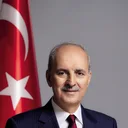
İlk imza
Numan Kurtulmuş
AK Parti · İstanbul
Komisyon süreci
- 11 MART 2025Sunuldu
- ESAS KOMİSYONDışişleri KomisyonuGeliş 11 Mart 2025 · Raporunu Verdi · 1 Nisan 2026
- TALİ KOMİSYONMilli Savunma KomisyonuGeliş 11 Mart 2025 · Raporunu Vermedi
Genel gerekçe
Teklifi verenlerin neden gerekli gördüğünü anlattığı bölüm (teklif metninden).
Gerekçeyi oku
23 Ekim 2024 tarihinde İstanbul'da imzalanan "Türkiye Cumhuriyeti Hükümeti ile
Kuzey Makedonya Cumhuriyeti Hükümeti Arasında Askerî Çerçeve Anlaşması" ile egemenlik,
eşitlik, karşılıklı saygı temelinde ve ulusal mevzuat ile uluslararası kurallara uygun olarak ikili
askeri ilişkilerin hukuki zemininin oluşturulması, Taraflar arasında askeri iş birliği sağlanması
ve geliştirilmesi hedeflenmektedir.
Söz konusu Anlaşma ile tatbikat/eğitimlere veya ortak tatbikatlara katılım sağlanması;
savunma sanayi; askeri iş birliği ve temas ziyaretleri; askeri istihbarat değişimi; lojistik iş
birliği; askeri tıp ve sağlık hizmetleri; muhabere, elektronik, bilgi sistemleri ve siber savunma;
barışı koruma ve insani yardım harekâtı; haritacılık ve hidrografi; mesleki gelişim amaçlı
personel değişimi; askeri bilimsel ve teknolojik araştırma alanlannda bilgi ve tecrübe
paylaşımı; el yapımı patlayıcılarla mücadele, patlayıcı madde imhası ve mayın faaliyetlerine
ilişkin iş birliği, eğitim, bilgi ve tecrübe değişimi; doğal afet ve acil durum harekâtı kapsamında
eğitim, bilgi ve tecrübe paylaşımı ile Anlaşmada belirtilen diğer konularda iki ülkenin silahlı
kuvvetleri arasında iş birliğinin geliştirilmesi öngörülmektedir.
7'^
TÜRKİYE CUMHURİYETİ HÜKÜMETİ
ile
KUZEY MAKEDONYA CUMHURİYETİ
HÜKÜMETİ
ARASINDA
askeri çerçeve ANLAŞMASI
*
//>'
"■■'/Î.Vv
TÜRKİYE CUMHURİYETİ HÜKÜMETİ İLE
KUZEY MAKEDONYA CUMHURİYETİ HÜKÜMETİ ARASINDA
ASKERÎ ÇERÇEVE ANLAŞMASI
GİRİŞ
Türkiye Cumhuriyeti Hükümeti ve Kuzey Makedonya Cumhuriyeti Hükümeti (bundan
böyle "Taraf' veya "Taraflar" olarak adlandırılacaklardır),
04 Nisan 1949 tarihli Kuzey Atlantik Andlaşması'mn, 19 Haziran 1951 tarihli Kuzey
Atlantik Andlaşması'na Taraf Devletler Arasında Kuvvetlerin Statüsüne Dair Sözleşme
(bundan böyle 'mTO SOFA")'mn ve Birleşmiş Milletler Şartı'mn amaç ve ilkelerine
baghhklanm teyit ederek,
Tarafların egemenliği ve eşitliğine karşılıklı saygı temelinde çeşitli askerî alanlarda iş
birliğinin, Taraflann ortak menfaatlerine ve ekonomik verimliliğine katkıda bulunacağını
vurgulayarak,
Taraflar arasındaki mevcut dostane ilişkilerin, ulusal kanunlar, uluslararası kurallar ve
anlaşmalar temelinde geliştirilmesi ihtiyacını belirterek,
Aşağıdaki hususlarda anlaşmaya varmışlardır:
MADDEI
AMAÇ
Bu Anlaşmamn amacı, MADDE IV'de belirtilen alanlarda, Taraflar arasındaki ilişkiler
için bir çerçeve oluşturmak ve iş birliğini geliştirmektir.
MADDE II
KAPSAM
Bu Anlaşma, MADDE IV'de belirtilen alanlarda personel, malzeme, teçhizat, bilgi ve
tecrübe değişimi konulanna uygulanır.
MADDE III
TANIMLAR
Bu Anlaşma'da kullamlan terimler aşağıdaki anlamlan taşn:
1. Gönderen Taraf: Bu Anlaşmamn uygulanması amacıyla Kabul Eden Tarafa personel,
malzeme ve teçhizat gönderen Tarafı ifade eder.
2. Kabul Eden Taraf: Bu Anlaşmamn uygulanması amacıyla ülkesinde Gönderen Tarafa ait
personel, malzeme ve teçhizatı bulunan Tarafı ifade eder.
3. Misafir Personel: Taraflardan herhangi birinin bu Anlaşmanın uygulanması amacıyla
diğer Tarafa gönderdiği asker veya sivil personelini ifade eder.
4. Misafir Öğrenci: Gönderen Tarafın Silahlı Kuvvetlerinde görevlendirilmek üzere,
Gönderen Tarafça, Kabul Eden Tarafin askerî okullanna veya Kabul Eden Tarafın belirleyeceği
diğer öğretim kurumlarına eğitim almak ^^bg^^len öğrenciyi ifade eder.
5. Yakınlar: Misafir Personelin k^|fuitı£l©e^yâWtma gö^danakla yükümlü olduğu e^
ve çocuklarını ifade eder.
v
-A
hi((C^iû
<
y O' -V
^
I
'n.fip-
6. Kıdemli Personelr Bu Anlaşma kapsamında gönderilen askerî/sivil grubun faaliyetlerine
nezaret etmeye yetkili, Gönderen Tarafın ulusal mevzuatına uygun olarak atanmış, Misafir
Personel arasındaki en kıdemli kişiyi ifade eder.
7.
Hibe: Bir malzeme veya hizmetin bağışlanmasını veya bedelsiz devrini ifade eder.
8. Hizmet: Taraflar arasında bu Anlaşmaya göre bir işin yapılması için verilecek eğitim,
teknik bilgi, destek, geliştirme, bakım, onanm, kurtarma, imha, liman ve müşavirlik desteği ile
mülkiyeti elde olmak kaydıyla tahsis edilebilecek kara, deniz ve hava araç, gereç, silahlan, bina
ve araziyi ifade eder.
9. Lojistik Destek; Mal ve hizmetlerin satışı, hibesi, mübadelesi, tahsisi, kiralanması,
teknoloji transferi ve lisans verilmesini kapsar.
10. Gizlilik Dereceli Bilgi ve Malzeme: Ulusal güvenlik kapsamında koruma gerektiren
resmî bilgi, belge ve malzemedir. Bu sebeple ulusal güvenlik sınıflandırması uygulaması ile
düzenlenir. Bu bilgi sözlü, görsel, manyetik veya basılı şekilde olabilir veya Fikri Mülkiyet
Haklan kapsamında bilgi içeren teknolojik veya cihaz formunda olabilir.
MADDE IV
ASKERÎ İŞ BİRLİĞİ ALANLARI
Taraflar arasında iş birliği aşağıdaki alanlan kapsar:
1.
Askerî eğitim ve öğretim;
a.
Askerî okul, eğitim ve öğretim merkezleri veya Kabul Eden Tarafın belirleyeceği
diğer eğitim kurumlannda verilen eğitim, öğretim ve kurslar,
b.
Askerî birlik, karargâh veya kurumlarda görev başı eğitimi,
c.
Eğitim ve öğretim kurumları arasında karşılıklı/tek taraflı Misafir Personel, Misafir
d.
Eğitim ve öğretimin geliştirilmesine yönelik karşılıklı temas ziyaretleri ve bilgi
Öğrenci veya öğretim elemanı değişimi,
alışverişi,
2.
Tatbikat/eğitim/yanşma/müsabakalara veya ortak tatbikatlara fiili veya gözlemci olarak
karşılıklı katılım sağlanması,
3.
Savunma sanayi,
4.
Silahlı Kuvvetler arasında askerî iş birliği ve temas ziyaretleri,
5.
Silahlı Kuvvetlerin teşkilat yapısı, askerî birliklerin yapısı ve teçhizatı, personel yönetimi,
6.
Askerî istihbarat değişimi,
7.
Lojistik iş birliği, hibe ve lojistik sistemler,
8.
Askerî tıp ve sağlık hizmetleri,
9.
Muhabere, elektronik, bilgi sistemleri ve siber savunma,
10. Barışı koruma ve insani yardım harekâtı,
11. Askerî hukuk sistemleri konusunda b^L4sğiŞ™h
12. Haritacılık ve hidrografi.
nt'i
■î'-i-CA
c
13. Mesleki gelişim amaçlı personel değişimi,
14. Misafir Personel, damşman veya birlik değişimi,
15. Askerî bilimsel ve teknolojik araştırma alanlanna ilişkin bilgi ve tecrübe değişimi,
16. Bilimsel, sosyal, sportif ve kültürel etkinlikler,
17. El yapımı patlayıcılarla mücadele, patlayıcı madde imhası ve mayın faaliyetlerine ilişkin
iş birliği, eğitim ve bilgi ve tecrübe paylaşımı,
18. Arama ve kurtarma,
19. Askerî tarih, arşiv, yayın/yayım ve müzecilik,
20. Doğal Afet ve Acİl Durum Harekâtı kapsamında eğitim, bilgi ve tecrübe değişimi.
MADDE V
UYGULAMA VE İŞ BİRLİĞİ ESASLARI
1. Tarafların ortak mutabakatına bağlı olarak aşağıdaki alanlarda iş birliği gerçekleştirilebilir:
a. Savunma Bakanları, Genelkurmay Başkanları ve onlann yardımcıları veya Taraflarca
yetkilendirilen diğer görevlilerin toplantı ve ziyaretleri,
b. Her iki Tarafın uzmanları arasında çeşitli faaliyet alanlannda tecrübe değişimi,
c. Askerî birlik, karargâh veya kurumlarda ücretli, ücretsiz veya indirimli ücret
karşılığında eğitim, öğretim ve kurslann düzenlenmesi,
d. Benzer askerî kurumlar arasında irtibatlar,
e. Müşterek müzakerelerin, istişarelerin, toplantıların düzenlenmesi ve kurslara,
sempozyumlara ve konferanslara katılım,
f. Fiili atış uygulamalanm da içerecek şekilde askerî tatbikatlara katılım, bu askerî
tatbikatlara gözlemci statüsünde iştirak ve müşterek tatbikatlann düzenlenmesi,
g.
Bilgi ve eğitim malzemelerinin değişimi,
h. Tarafların envanterinde bulunan mal ve Taraflarca üzerinde mutabık kalınacak
hizmetlerin hibesi, mübadelesi, satışı, tahsisi, kiralanması ve söz konusu malzemelerin
ulaştırma hizmetlerinin bedelli/bedelsiz yapılması, teknoloji transferi ve lisans verilmesi.
2. Lojistik iş birliği vöya lojistik destek çerçevesinde yürütülecek faaliyetler, taraflann diğer
ülkelerle imzalamış olduğu yürürlükteki anlaşmalarından kaynaklanan üçüncü tarafa transfer
kısıtlanna uygun olarak icra edilir.
3.
Taraflar, bu Anlaşmanın uygulanması amacıyla Tarafların ulusal mevzuatlarında
öngörülecek onay süreçlerine ve bu Anlaşma hükümlerine uygun olan tamamlayıcı mutabakat
muhtıraları, protokoller ve düzenlemeler akdedebilir.
4. İş birliği. Tarafların karşılıklı çıkar ve ihtiyaçları dikkate alınarak mütekabiliyet esasına
göre gerçekleştirilir.
fV
j. V
V
- \\
V'" < c-v.'-v' ■
// l'l '.n" .n- / (
Vır'«
V'
"SN.
^J
//
^ (1 V. iî''' "
5. Tarafların bu Anlama, diğer mutabakat muhtıraları, protokoller ve düzenlemeler uyarınca,
hibe şeklinde veya bedeli mukabili birbirlerine verecekleri veya ortak üretecekleri malzemeler,
teknik bilgi ve dokümanlar, önceden karşılıklı mutabakat sağlanmadan üçüncü tarafa
devredilemez.
6. Kabul Eden Taraf, bu Anlaşma kapsamında kendisine hibe olarak verilecek malzemenin
hizmet dışına çıkaniması halinde Gönderen Tarafa yazılı bildirimde bulunur.
■■
MADDE VI
YETKİLİ MAKAMLAR VE YILLIK UYGULAMA PLANLARI
1. Bu Anlaşmamn uygulanmasında yetkili makamlar şunlardır:
Türkiye Cumhuriyeti Hükümeti adına: Türkiye Cumhuriyeti Millî Savunma Bakanlığı,
Kuzey Makedonya Cumhuriyeti Hükümeti adına: Kuzey Makedonya Cumhuriyeti
Savunma Bakanlığı.
2. Taraflar, bu Anlaşmamn uygulanması için müşterek faaliyetlere ilişkin Yıllık Uygulama
Planlan hazırlar. Yıllık Uygulama Planlan, icra edilecek faaliyetlerin adım, kapsamım, tipini,
zamanını, yerini, icra edecek kurumları, mali hususları ve diğer ayrıntıları içerir.
3. Taraflar arasındaki iş birliği. Yıllık Uygulama Planlannda belirtilen tüm düzeylerde
yapılacak karşılıklı ziyaretler ile kuvvetlendirilir.
MADDE VII
EĞİTİM/KURS KOŞULLARI
1. Eğitim ve öğretim, Kabul Eden Tarafın mevzuatının öngördüğü koşullara göre verilir.
2.
Bu Anlaşmaya uygun olarak. Gönderen Tarafın yapacağı bir eğitim talebi, eğitim veya
kursun başlamasından önceki yılın en geç Mart ayında Kabul Eden Tarafa resmî yazı ile
bildirilir. Talebin ahnmasım müteakip. Kabul Eden Taraf bu talebi inceler ve en geç Temmuz
ayında Gönderen Tarafa cevabını bildirir.
3. İlave eğitim talebi olması durumunda, söz konusu talep resmî yazı ile bildirilir. Taraflar
arasında yapılacak istişare sonucunda ve imkânların izin verdiği ölçüde, bu kapsamdaki ilave
talepler planlı ihtiyaçlara dâhil edilebilir.
4. Kabul Eden Tarafça İngilizce dilinde verilen eğitimler hariç olmak üzere, eğitimlerin.
Kabul Eden Tarafın dilinde gerçekleştirilmesi esastır. Ancak Gönderen Tarafça talep edildiği
takdirde ve Kabul Eden Tarafın uygun görmesi halinde, 3 (üç) aydan kısa süreli eğitimler
tercüman yardımıyla verilebilir. Eğitimin tercüman vasıtasıyla verilmesi durumunda. Gönderen
Taraf eğitime gelecek personele yeterli sayıda tercüman tahsis eder. Eğitim maksatlı
tercüme/tercüman giderleri Gönderen Tarafça karşılanır.
5. Kabul Eden Tarafın gerekli düzenlemeleri yapabilmesi maksadıyla; Gönderen Tarafça
eğitime nihaî katılım kararı, eğitim/kurs maksadıyla gönderilen Misafir Personel sayısı, uçuş
bilgileri ve diğer bilgiler eğitim başlangıç tarihinden itibaren en az 15 (on beş) gün önce Kabul
Eden Tarafa bildirilir. Bildirimlerin zamanında yapılmaması halinde, Kabul Eden Taraf
kurs/eğitim talebini sonraki bir zamana erteleme veya tamamen iptal etme hakkına sahiptir.
/r
f
f
*
O
6. Misafir Personel ve Misafir Öğrencilerin eğitimi, eğitimin verildiği kurum veya birliklerin
programlanna uygun olarak sağlamr. Eğitim konulanmn ulusal güvenlikle ilgili hususları
içermesi durumunda kısıtlama uygulanabilir.
7. Kabul Eden Taraf,. Misafir Personel ve Misafir Öğrenciye eğitimde gerekli teçhizat ve
malzemelerden hangilerini sağlayacağını ve eğitim bitiminde bunlardan hangilerinin Kabul
Eden Tarafa iade edileceğini belirtir.
8. Misafir Personel ve Misafir Öğrenciler, Kabul Eden Tarafın Yetkili Makamı tarafından
tespit edilen ölçütlere göre Gönderen Tarafça seçilir. Kabul Eden Tarafça tespit edilen ölçütlere
haiz olmayan Misafir P^sonel ve Misafir Öğrenciler, eğitim ve öğretim için kabul edilmez.
9. Sınav şekilleri ve eğitimle ilgili hususlar, Kabul Eden Tarafça tespit edilir.
10. Eğitim/kurslara katılmak üzere" gönderilen ve belirlenmiş eğitim/kurs programını
tamamıyla takip eden, eğitim/kurs koşullarına göre düzenlenmiş sınavlarda başanlı olan,
tez/projeleri başarıyla hazırlayan Misafir Personel ve Misafir Öğrencilere, uygun ihtisası ya da
eğitim programını (akademik derece) tamamladığım gösterir belge verilir. Diploma (belge,
sertifika) denkliği, millî mevzuatına göre Gönderen Tarafın yükseköğrenim kurumlanmn
onayına tabidir.
MADDE VIII
GİZLÎLİK DERECELİ BİLGİ VE MALZEMENİN GÜVENLİĞİ
1. Bu Anlaşma kapsamında temin edilen veya üretilen gizlilik dereceli tüm bilgiler, belgeler,
maddi ve fikrî mülkiyet hakları ile askerî malzeme. Taraflar arasında akdedilecek müteakip
mutabakat muhtıralan, protokoller ve düzenlemelere uygun olarak amaçlan doğrultusunda
mübadele edilir, kullamlır ve muhafaza edilir.
2. Taraflar ulusal mevzuatlanna uygun olarak, bu Anlaşmamn uygulanması veya ortak
faaliyetlerin yerine getirilmesi kapsamında mübadele edilecek bilgi, doküman, malzeme ve
teçhizata ait tüm bilgilerin korunmasını sağlar. Bu çerçevede, aym derecede gizlilik derecesi
taşıyan kendilerine ait bilgilerin korunması için uygulanan önlemleri alır. Taraflar, mübadele
edilen bilgilere aşağıda yer alan çizelgede belirtilen gizlilik derecelerinden uygun olanı verir.
Türkiye Cumhuriyetî
Hükümeti İçin
İngilizce Karşılığı
Çok Gizli
Top Secret
Gizli
Secret
Hizmete Özel
Restricted
Kuzey Makedonya
Cumhuriyeti Hükümeti İçin
Jfp^aBHa Ta]Ha
CTporo noBepjiHBO
ÜHTepno
3. Gizlilik dereceli bilgi ve malzeme, bu bilgi ve malzemeleri sağlayan Tarafın yazılı ön onayı
olmadan ifşa edilmez ve üçüncü bir tarafla paylaşılmaz (veya üçüncü bir tarafa devredilmez).
4.
Gizlilik dereceli bilgi ve malzeme, sadece hükümetler arası kanallar yoluyla veya
Taraflarca belirlenen güvenlik makamlarınca uygun bulunan diğer kanallardan mübadele edilir.
Bilginin gizlilik derecesi, bilgiyi sağlayan Tarafça belirlenir.
fi'»
a
T .V.
K a , J.
isa
5. Taraflar, Anlaşma sona erdiğinde dahi, mübadele edilen gizlilik dereceli bilgi ve
malzemenin korunması ve gizlilik derecesinin kaldırılmasının önlenmesinden sorumlu olmaya
devam eder.
6. Taraflar, ulusal mevzuatları ve taraf oldukları uluslararası andlaşmalar çerçevesinde, bu
Anlaşma kapsamında oluşturulacak ve devredilecek fikri mülkiyet haklarımn etkin bir şekilde
korunmasım sağlar. Bu Anlaşma bağlamında, fikri mülkiyet kavramı 14 Temmuz 1967
tarihinde Stokholm'de imzalanmış olan Dünya Fikri Mülkiyet Örgütü'nü Kuran Anlaşmamn
2'nci maddesinde tammlandığı şekilde anlaşılır.
7. İhtiyaç duyulması halinde; MADDE IV'te belirtilen iş birliği alanlannm her biri için
yetkilendirilmiş olan makamlann sorumluluğunda, bu Anlaşma kapsamında mübadele edilen
gizlilik dereceli bilgi ve malzemenin transferi, kullamlması ve korunması konusunda ayrı bir
güvenlik anlaşması imzalanabilir.
8. Bu Anlaşmanın hükümlerinin uygulanması sırasında elde edilen bilgi, Taraflardan biri
tarafından diğer Tarafın veya üçüncü Taraflarm çıkarları aleyhine kullanılamaz.
9. Taraflar, gizlilik dereceli bilgi ve malzemeye erişimin, bilmesi gereken prensibine göre ve
uygun güvenlik kleransına sahip personel tarafından yapılmasım sağlar.
10. Bu Anlaşmamn uygulanması kapsamında mübadele edilen bilgilerin beklenmedik şekilde
ifşa olması halinde, bu durumu tespit eden Taraf, diğer Tarafı durumdan derhal haberdar eder,
11. Taraflar, iş birliği faaliyetlerinde patent ve telif hakları ile ticari sırlara ilişkin haklara ve
kurallara saygı gösterir. Taraflarca millî sırlarla ilgili konularda kısıtlamalar konulabilir.
MADDE IX
ASKERÎ İSTİHBARAT
1, Bu Madde, Tarafların karşılıklı menfaatlerine halel getireceği düşünülen ve birlikte
kararlaştırılacak ülkelerle ilgili, öncelik askerî faaliyetlerde olmak üzere, Taraflann Silahlı
Kuvvetlerinin ilgi alamndaki gelişmeleri ve bu ülkelerin Türkiye Cumhuriyeti ve Kuzey
Makedonya Cumhuriyeti'ndeki faaliyetleri ile ilgili askerî istihbarat bilgilerinin mübadelesini
kapsar.
2. İstihbarat bilgi mübadelesi, aşağıda belirtilen vasıtalar aracılığıyla ve yöntemlere uygun
olarak yapılır:
a. Her iki ülke Askerî İstihbarat Başkanlan veya yetki verdikleri personel tarafından bir
yıl Türkiye Cumhuriyeti'nde, bir yıl Kuzey Makedonya Cumhuriyeti'nde olmak üzere
dönüşümlü olarak yapılacak ikili görüşmelerde her türlü koordinasyon konusu (mübadele
konuları dâhil) taraflar arasında ilgili yıl içerisinde karşılıklı mutabakatla tespit edilir.
b.
Ziyaret eden taraf, planlanan tarihten en az 15 (onbeş) gün önce heyetteki görevlilerin
isim, rütbe, görev ve güvenlik kleranslanm Kabul Eden Tarafa bildirir.
c.
Dokümanlar ve müzakerelerin dili İngilizce'dir. Talep edildiği takdirde, müzakereler
tercüman aracılığı ile yapılabilir.
d.
Mübadele edilebilecek bilgiler yazılı doküman olarak verilir. Konu ile ilgili varsa CD,
DVD, film, fotoğraf, slayt, vb. dokümana eklenir.
I-■ ^
~I i^
a it (< I'
^ ^
\
T
g il
'V
M
Her iki taraf birbirlerinin bilgi isteklerine mümkün olan en kısa zamanda karşılıklı
e.
olarak kararlaştmlmış güvenli kanallardan cevap vermekte mutabıktır.
f. Askerî istihbarat bilgilerinin değişimine ilişkin talep, her bir durum temelinde
değerlendirilir ve taraflardan birinin ulusal egemenliğini ve güvenliğini tehlikeye atması veya
ulusal/uluslararası çıkarlanyla önemli ölçüde çelişmesi halinde reddedilebilir.
MADDEX
HUKUKİ HUSUSLAR
1. Misafir Personel ve Yakınları ile Misafir Öğrenciler; giriş, ikamet ve çıkış dâhil. Kabul
Eden Taraf ülkesinde bulundukları sürece Kabul Eden Tarafın ulusal mevzuatı ve yargı
yetkisine tabidirler. Kabul Eden Tarafın yargı yetkisinin uygulandığı ve hüküm içeriğinin
Gönderen Tarafın mevzuatında bulunmayan bir cezayı öngördüğü hallerde, her iki Tarafın
mevzuatında yer alan bir ceza türü uygulamr.
2. Her iki Taraf hukukunun uygulandığı durumlarda, Gönderen Devlet yetkilileri aşağıdaki
durumlarda Misafir Personel üzerinde yargı yetkisini öncelikli olarak kullanma hakkına sahip
olacaktır:
a.
İsnat edilen suç. Gönderen Devletin güvenliği, malı veya personeli ile ilgili olduğu
durumlarda; ve/veya
b. Resmi görevle ilgili ve ifası sırasında ihmal suretiyle veya kasten işlenen herhangi bir
eylem veya ihmalden kaynaklanan durumlarda.
3. Bir eylem veya ihmalin bu Maddenin 2b Paragrafı kapsamına girip girmediği konusunda
Taraflar arasında anlaşmazlık çıkması dummımda. Taraf devletler söz konusu fiil veya ihmalin
bu Maddenin 2b Paragrafı kapsamına girip girmediğini tespit etmek amacıyla, eylemin veya
ihmalin gerçekleşmesini izleyen 2 hafta içerisinde her bir Taraf temsilcilerinin eşit sayıda yer
aldığı ortak bir komite oluşturacaklardır. Eğer söz konusu komite sorun hakkında anlaşmaya
varamazsa, o takdirde Kabul Eden Devletin kararı geçerli kabul edilir.
4. Kabul Eden Taraf, Misafir Personel, Yakınları veya Misafir Öğrencilerin gözaltına
alınması veya tutuklanması halinde Gönderen Tarafı derhal durumdan haberdar eder.
5. Misafir Personel, Yakmlan veya Misafir Öğrencilerin Kabul Eden Tarafla yasal bir
soruşturmaya veya yargılanmaya muhatap olması durumunda, bu kişi Kabul Eden Taraf
vatandaşlanna sağlananlardan az olmamak koşulu ile genel olarak kabul edilmiş hukuki
korumadan istifade etme hakkına sahiptir.
6.
Kabul Eden Tarafın mevzuatım ihlal ettikleri takdirde, Misafir Öğrenci ve Misafir
Personelin faaliyetlerine son verilebilir.
7.
Misafir Personel ve Misafir Öğrenciler, bulundukları kıta, karargâh ve kurumlarda
uygulanan disiplin kurallarına uyar.
8. Misafir Öğrenciler, disiplin cezalan yönünden Kabul Eden Tarafın mevzuatına, Misafir
Personel ise Gönderen Tarafın mevzuatına tabidir. Kabul Eden Tarafın yetkili askerî
makamları, emrindeki Misafir Personele görevin gerektirdiği emirleri verebilir.
9.
Gönderen Tarafın Kıdemli Personeli, kendi askerî hizmet ve disiplin yasalarının hükümleri
uyarınca. Misafir Personele disiplin tedbirlerini uygulamaya yetkilidir.
10. Misafir Personel, Yakınları veya.Jî;5&s^^Ö^llciler, hiçbir siyâşLfaaliyet veya Kabul
Eden Taraf aleyhinde faaliyette bulv ^
-
^
1c
%,
i!
■: \ V.-yl h i -
il
ZH
K V.
o
MADDE XI
TAZMİNAT TALEPLERİ
1. Bu Anlaşmanın uygulanması esnasında, üçüncü taraf tazminat talepleri konusunda Kabul
Eden Tarafın ulusal mevzuatı geçerlidir.
2. Taraflar, ağır ihmal veya kasıt bulunmadıkça, bu Anlaşma kapsamındaki faaliyetlerin
icrası esnasında personelinin yaralanması veya ölümü halinde veya kişilere, mallara ve çevreye
verilen zarar/ziyan nedeniyle birbirlerinden tazminat talebinde bulunamaz.
3. Taraflar ortaya çıkan durumun ağır ihmal veya kasıttan kaynaklamp kaynaklanmadığını
müştereken belirlerler. Taraf devletler söz konusu fiil veya ihmalin bu Maddenin 2'nci
Paragrafı kapsamına girip girmediğini tespit etmek amacıyla, ivedilikle her bir Taraf
temsilcilerinden oluşan ortak bir komite oluşturur. Eğer söz konusu komite sorun hakkında
anlaşmaya varamazsa, o takdirde Kabul Eden Devletin kararı geçerli kabul edilir.
MADDE XII
İDARİ HUSUSLAR
1. Misafir Personel ve Yakınları ile Misafir Öğrenciler, diplomatik dokunulmazlık ve
imtiyazlara sahip olmaz.
2.
Taraflarca karşılıklı olarak aksi yönde bir karar alınmadıkça Kabul Eden Taraf, Misafir
Öğrenci ve Misafir Personele bu Anlaşma'da veya müteakip anlaşmalar ve düzenlemelerde
belirtilenlerden başka görevler vermez.
I
3. Misafir Öğrenci ve Misafir Personel, Kabul Eden Tarafın emsal personeline uygulanan
idari uygulamalara tabidir.
4. Bu Anlaşma çerçevesinde imzalanacak diğer mutabakat muhtıralan, protokoller ve teknik
düzenlemeler ile aksine karar verilmedikçe, Gönderen Tarafın askerî personeli kendi millî
üniformalarını giyme hakkına sahiptir. Görev sırasında, bir faaliyetin icrası için gerekli teçhizat
mümkün olduğunca Kabul Eden Taraf tarafından sağlamr. Ancak, Misafir Öğrenciler, Kabul
Eden Tarafın sağlayacağı askerî üniformayı giymek zorundadır. Bu öğrenciler Gönderen Taraf
tarafından verilen bir askerî sembolü tanınmaları için üniformalarına takabilir.
5. Gönderen Taraf, gerekli gördüğünde personelini geri çağırma hakkını saklı tutar. Kabul
eden taraf herhangi bir sebep göstermeksizin. Gönderen Tarafın personelini geri çekmesini ya
da değiştirmesini isteyebilir. Kabul Eden Taraf, söz konusu personelin dönüşü için mümkün
olan en kısa zamanda gerekli tedbirleri alır. Bu durumda Kabul Eden Taraf, Gönderen Tarafa
askerî ataşelikler aracılığı ile yalnızca personelin çekilmesine veya değiştirilmesine ilişkin
yazılı talebini bildirir.
6.
İstisna teşkil eden idari hususlar, bu Anlaşma çerçevesinde imzalanacak diğer mutabakat
muhtıraları, protokoller veya teknik düzenlemelerde belirlenir.
7.
Misafir Personel ve Yakınları orduevleri ve askerî kantinlerden Kabul Eden Tarafın
düzenlemeleri çerçevesinde yararlanabilir.
8. Misafir Personel ve Yakınları ile Misafir Öğrencilerden herhangi birinin ölmesi
durumunda, Kabul Eden Taraf, Gönderen Tarafı durumdan haberdar eder, ölen kişinin
cenazesini kendi ülkesindeki en yakın uluslararası havaalanına nakleder ve cenaze
nakledilinceye kadar sıhhi koruma dâhil gergkii-4iğer tedbirleri alır.
â
9. Misafir Personel ve Yakınlan ile Misafir Öğrenciler çevreye zarar verebilecek
faaliyetlerden kaçınır, çevre kirliliğinin önlenmesine azami dikkat eder ve Kabul Eden Tarafın
konuya ilişkin düzenlemelerine uyar.
10. Kabul Eden Taraf, faaliyetlerin icrası için gerekli olan ulaştırma hizmetlerinin,
mütekabiliyet ilkesi temelinde ve imkân ve kabiliyetleri çerçevesinde ücreti mukabili/ücretsiz
olarak teminine ilişkin nihai kararı verir.
11. Eğitim ve öğretim^ Kabul Eden Tarafın mevzuatına göre verilir. Misafir Öğrenci ve
Misafir Personelden; akademik başarısızlık, disiplinsizlik, sağlık sorunları vb. nedenlerle
eğitim ve öğretimi takip edemeyecek olanların eğitim ve öğretim kurumları ile ilişikleri Kabul
Eden Tarafın mevzuatında belirtilen esaslar çerçevesinde kesilir. Taraflarca gerekli görülmesi
halinde hayati risk içeren ye uzmanlık gerektiren (uçuş eğitimi, atış eğitimleri, vb.) eğitimler
için bu Anlaşmaya dayanan'protokoller yapılabilir.
MADDE Xni
SAĞLIK HİZMETLERİ
1. Misafir Personel ve Misafir Öğrenciler, bu Anlaşma gereği her türlü faaliyeti
gerçekleştirebilecek sağlık koşullannda bulunur. Kabul Eden Taraf bu kişilerin sağlık
bakmamdan uygun olduğunu gösteren bir sağlık raporu talep edebilir.
2. Misafir Öğrencilerin muayene ve tedavi hizmet giderleri. Kabul Eden Tarafın ulusal
mevzuatına göre karşılanır. Kabul Eden Taraf, Misafir Öğrencilerin sağlık sigortası primleri
veya sağlık giderlerini karşılar.
3. Kabul Eden Taraf, Misafir Personel ile Yakmlanmn acil sağlık ve acil diş bakım
hizmetlerini ücretsiz olarak karşılar. Misafir Personel ve Yakmlanmn acil sağlık ve acil diş
bakım hizmetleri dışında kalan muayene ve tedavi hizmet giderleri. Kabul Eden Tarafın ulusal
mevzuatına uygun olarak yaptınlacak bir sağlık sigortası tarafından karşılanır.
4. Kabul Eden Taraf, Misafir Personel ve Yakınlarının sigorta primleri veya tüm tedavi
giderlerini ücretsiz veya ücretli olarak sağlayabilir. Kabul Eden Taraf ücretli verilmesine karar
verirse Misafir Personel ve Yakmlanmn sigorta primleri veya tüm tedavi giderleri Gönderen
Taraf veya Misafir Personel tarafından karşılanır.
MADDE XrV
MALİ HUSUSLAR
1.
Bu Anlaşma kapsamında bulunan iş birliği faaliyetlerinin icrası maksadıyla
görevlendirilen Misafir Personel ve Misafir Öğrencilerin maaş/harçlık, iaşe, ibate, ulaştırma ve
diğer mali haklarından, Gönderen Taraf sorumludur.
2.
Ancak, Gönderen Tarafça talep edildiği takdirde; iş birliği alanlanmn icrası maksadıyla
görevlendirilen Misafir Personel ve eğitim ve öğretim maksadıyla görevlendirilen Misafir
Öğrenciler için aşağıdaki hususlann karşılanıp karşılanmayacağına ve karşılanma esaslarına
Kabul Eden Taraf karar verir.
a.
Misafir Personel için;
(1) Yurt içi ve yurt dışı ulaşm^^j^^^^^^ar Kabul Eden Tarafça belirlenir),
1 cX
il
V
"t'
W'-».
i
%
^
J'İ !£
k
'•'A*
ei
(2) Aylık maaş (Esaslar ve miktar kursiyer subay ve astsubayların rütbelerine göre,
sivil şahıslann ise statülerine göre Kabul Eden Tarafça belirlenir),
(3) Eğitim ve öğretim masraflan (ücretli, indirimli veya ücretsiz),
(4) Giyim-kuşam (esaslan Kabul Eden Tarafça belirlenir),
(5) Uzmanlık eğitimi gören doktorlar için nöbet ücreti,
(6) iaşe,
(7) İbate (Kabul Eden Tarafça belirlenecek konaklama yeri),
(8) Aylık maaş ödenen Misafir Personelin iaşe ve ibatesi (Kabul Eden Tarafça)
karşılanmaz.
b. Misafir Öğrenciler için;
(1) Yurt içi ve yurt dışı ulaşım (Usul ve esaslar Kabul Eden Tarafça belirlenir),
(2) İaşe,
(3) İbate (Kabul Eden Tarafça belirlenecek misafirhane veya tesiste),
(4) Harçlık (esaslar ve miktar Kabul Eden Tarafça belirlenir),
(5) Eğitim-öğretim masrafları (ücretli, indirimli veya ücretsiz),
(6) Giyim-kuşam (esasları Kabul Eden Tarafça belirlenir),
(7) Tıp Fakültesi 6'ncı sınıf öğrencilerine intöm eğitimi döneminde ödenen ücretler.
3. Türkiye Cumhuriyeti'nde verilecek Türkçe lisan kurslan (akademik eğitimlerde verilen
lisan hazırlık sınıflan dâhil) ile Kuzey Makedonya Cumhuriyeti'nde verilecek Makedonca dili
lisan kurslan ücretsizdir. Yüksek maliyet gerektiren eğitimler (uçuş eğitimi, dalgıç eğitimi,
serbest çıkış kulesi eğitimi, vb.) tam ücretli olarak verilebilir.
4.
Misafir Öğrenci ve Misafir Personel, Kabul Eden Tarafı kesin olarak terk ederken kendi
borçlan ile Yakınlannm borçlanm tasfiye edecektir. Acil geri çekme halinde. Misafir Personel
ve Yakınlan ile Misafir Öğrencilerin borçları Kabul Eden Taraf tarafından düzenlenecek
yapılan harcama tutarım gösteren ve ilgili makam tarafından onaylanmış belgeye istinaden
Gönderen Taraf tarafından ödenir.
5. Eğitim ve öğretim giderleri Gönderen Taraf tarafından, her eğitim ve öğretim süresinin
sonunda yapılan harcama tutannı gösteren ve ilgili makam tarafından onaylanmış belgenin
alınmasını takip eden 60 (altmış) gün içinde (bir ay ve daha kısa süreli eğitimlerde peşin ödeme
yapılır). Kabul Eden Tarafın yetkili makamı tarafından belirlenen banka nezdinde açılan hesaba
ABD dolan cinsinden yatınlır.
6.
Misafir Personel ve Yakınları ile Misafir Öğrenciler, giriş, kalış ve çıkışlan süresince,
Kabul Eden Tarafın yürürlükteki vergi hukukuna tabidir.
7. Taraflann karşılıklı mutabakatı ile hizmetten,faydalanan ülkenin sınırlan içinde yerinde
hizmet sağlanmasımn kararlaştırılması durumunda, ortaya çıkan maliyetler hizmetten
faydalanan Tarafça karşılanır. Ancak talep edilmesi veya uygun görülmesi halinde, bu
maliyetlerin kısmen ya da tamamen karşılanmasına hizmeti sunan Taraf karar verir.
c
% -s-,
MADDE XV
GÜMRÜK VE PASAPORT İŞLEMLERİ
1. Misafir Personel ve Yakınları ile Misafir Öğrenciler, Kabul Eden Tarafın ülkesinde, Kabul
Eden Tarafın yabancıların ikamet ve seyahatleri hakkındaki düzenlemelerine tabidir.
2. Misafir Personel ve Yakınlan ile Misafir Öğrenciler, Kabul Eden Tarafın ülkesine giriş ve
çıkışlarda bu Devletin pasaport ve gümrük ile ilgili düzenlemelerine tabidir. Ancak, Kabul Eden
Taraf, kendi mevzuatı çerçevesinde mümkün olan tüm idari kolaylıkları sağlar.
MADDE XVI
TARAFLARIN DİĞER ULUSLARARASI ANLAŞMALARDAN
DOĞAN TAAHHÜTLERİ
Bu Anlaşmamn hükümleri. Tarafların diğer uluslararası anlaşmalardan doğan hak ve
taahhütlerini etkilemez ve diğer devletlerin çıkarları, güvenliği ve ülke bütünlüğüne, karşı
kullanılamaz.
MADDE XVII
UYUŞMAZLIKLARIN ÇÖZÜLMESİ
1. Bu Anlaşmamn uygulanmasından veya yorumlanmasından doğan herhangi bir
uyuşmazlık Taraflar arasmda mümkün olan en alt düzeyde istişare ve görüşmeler yoluyla
çözülür ve çözüm için herhangi bir ulusal veya uluslararası mahkemeye veya üçüncü tarafa
intikal ettirilemez.
2. Uyuşmazlık meydana geldiği tarihten itibaren 60 (altmış) gün içinde çözümlenemezse,
Taraflar 30 (otuz) gün içinde görüşmelere başlar. Müteakip 60 (altmış) gün içinde çözüm
sağlanamadığı takdirde. Taraflar bu Anlaşma'yı MADDE XDCda belirtilen usul uyannca sona
erdirebilir.
MADDE XVIII
TADİL VE GÖZDEN GEÇİRME
Taraflardan her biri gerektiğinde bu Anlaşmanm değiştirilmesi veya gözden geçirilmesini
diplomatik yollarla önerebilir. Yazılı önerinin alındığı tarihten itibaren 30 (otuz) gün içerisinde
görüşmeler başlar. 60 (altmış) gün içerisinde bir sonuca varılamaz ise, Taraflar bu Anlaşma'yı
MADDE XDC'da belirtilen usul uyannca sona erdirebilir. Üzerinde yazılı olarak mutabık
kalınan tadil veya değişiklikler, bu Anlaşmanm yürürlüğe girişini düzenleyen MADDE XX'de
belirtilen usul uyarınca yürürlüğe girer.
MADDE XIX
YÜRÜRLÜK SÜRESİ VE SONA ERDİRME
1.
Bu Anlaşma, 5 (be^ yıllık süre için yürürlükte kalır.
2. Bu Anlaşma, taraflardan biri Anlaşma'yı sona erdirme niyetini diğer tarafa diplomatik
yollarla yazılı olarak bildirmediği takdirde, birer yıllık süreler için kendiliğinden uzar.
3. Taraflardan biri Anlaşma'yı herhangi bir zamanda sona erdirme niyetini diğer tarafa
diplomatik yollarla yazılı olarak bildirebilir. Anlaşmanın sona erdiğine ilişkin yapılan
bildirimler, yapıldığı tarihten 90 (doksan) güs^s^mr^üküm doğurur.
Bu Anlaşmanın sona ermesi, dev^^ed^n^tSgranîlar ve faaliygtleri etk^emez.
/i
''A
IV
5. Bu Anlaşmanın yürürlüğe girmesi ile birlikte 24 Mart 1994 tarihinde imzalanan "Türkiye
Cumhuriyeti Hükümeti ile Makedonya Cumhuriyeti Hükümeti Arasında Askeri Alanda Eğitim,
Teknik ve Bilimsel İşbirliği Anlaşması" ve "Türkiye Cumhuriyeti Hükümeti ile Makedonya
Cumhuriyeti Hükümeti Arasında Askeri Eğitim İş Birliği Anlaşması" sona erer. Bu
Anlaşmaların sona ermesi durumunda, bu Anlaşmalara atıfta bulunan diğer Anlaşmalar
yürürlükte kalmaya devam eder. 24 Mart 1994 tarihli "Türkiye Cumhuriyeti Hükümeti ile
Makedonya Cumhuriyeti Hükümeti Arasında Askeri Alanda Eğitim, Teknik ve Bilimsel
İşbirliği Anlaşması"na yapılmış atıflar bu Anlaşmaya yapılmış sayılır.
MADDE XX
ONAY VE YÜRÜRLÜĞE GİRİŞ
Bu Anlaşma, Taraflarm Anlaşmanın yürürlüğe girmesi için gerekli iç yasal usullerinin
tamamlandığım birbirlerine diplomatik yollarla bildirdikleri son yazılı bildirimin alındığı
tarihte yürürlüğe girer.
MADDE XXI
METİN VE İMZA
Bu Anlaşma, )s-lı*7^y) 'da,4;?/.(?/l?^tarihinde, Türkçe, Makedonca ve İngilizce dillerinde,
her biri eşit derecede geçerli olmak üzere, ikişer asıl nüsha olarak tanzim edilmiştir. Yorum
farklılığı olması durumunda, İngilizce metin geçerlidir.
TÜRKİYE CUMHURİYETİ
KUZEY MAKEDONYA CUMHURİYETİ
HÜKÜMETİ ADINA
HÜKÜMETİ ADINA
Yaşar GÜLER
[ISAJLOVSKI
Millî Savunma Bakanı
»avunma Bakanı
i
ı\
>
^
\\
rit-^ ^
C-. /i
vT
-r
PAMKOBEH;^OrOBOP
3A BOEHA COPABOTKA
MEfy
BJIA^İATA HA PEHYBJIHKA TYPI^HJA
H
BJIA^ATA ha PEHYBJIHKA CEBEPHA
MAKE;^OHHJA
Â
Y -i-
c
tc
vr
f
<>
O
-^v
«3
9
VT/îi/ »■ ^ //
m
PAMKOBEH;i;orOBOP 3A BOEHA COPABOTKA MEfY BJIA^TA HA
PEHYBJmKA TYPI^HJA H BJIAMTA HA PEHYBJIHKA CEBEPHA
MAKE/ÎOHHJA
HPEAMBYJIA
Bnanara na PenySjiHKa Typıınja h Ejıa^jaıa na PenySanKa CeBepna MaKeaoHnja (bo
HaTaMomHHOT tckct „CTpaHa" hjih „CTpaHH");
ÜOTBpAyBaj^
ja HHBHaTa nocBeTCHocT
CeBepHoaTjıaHTCKHOT ^oroBop
Ha HcjiHTe h npHHHHHHre na
04 anpnjı 1949 ro^HHa, /^oroBopoT Mcfy CTpaHHTC na
CeBepHoaTjıaHTCKHOTHoroBopBOBpcKacocTaTycoTHaHHBHHTecHJiHOH 19jyHH 1951 roflHHa
(bo HaTaMomHHOT TCKCT „HATO-CO<I)A") h lIoBejıSaTa na OöeflHHCTHTe naHHH,
'-v »t
HarjıacyBajKH ^eKa copa6oTKaTa bo pasjiHHHH bochh nojiHiba Bps ocHOBa na sacMHCTo
nc^Tyaaıte na cyBepeRHTeroT h eOTaKBocTa na ^bctc cTpann ice npH^OHece na sacOTHRKHTe
HHTCpeCH H CKCHOMCKaTa C^HKaCHOCT Ha CTpaHHTe,
HspaayBajKH ja noTpeöaTa sa no^o6pyBaH,e na nocTojHHTe npHjaTejıCKH oahoch Mefy
CTpaHHTe Bp3 ocHOBa Ha HauHOHajiHHTC 3aK0HH, MefyHapoOTHTe nponncH h AoroBcpn,
Fo nocTHrHaa cjicahhcb jıoroBop:
HJIEHI
ıp^Ji
UtejiTa Ha oboJ /toroBop e js,sl oöeaöcAH paMKa 3a OAHocHTe h
pa3BHe copa6oTKa noMcry
CTpaHHTe BO oÖJiacTHTe naBe^îeHH bo HJIEH IV.
HJIEHII
flEJiOKpyr
OboJ ^oroBop ıce ce npHMenyBa 3a pasMena na nepcoHajı, MaTepnjajın, onpeMa,
HH4)0pMaiIHH H HCKyCTBO BO OÖJiaCTHTe HaBO^ieHH BO ^JlEH IV.
HJIEHIII
AEOHHHDJIH
TepMHHHTe ynoTpeöeHH bo oboJ /^oroBop ro HMaaT cjıe^^noBo 3HaHeH>e:
1.
2.
«Crpana HcnpaKan" 3HaHH CTpanaTa mTO nonpaıca nepcoHajı, MaTepnjajiH h onpeMa ;ıo
CTpanaTa npHMaTejı 3a cnpoBe;ıyBaH>e na oboJ JJproBop,
»CrpaHa npHMaTCJi" 3HaHH CTpanaTa Koja e ^ombkhh na nepcoHajıOT, MaTepnjajiH h
onpeMaTa na CTpanaTa HonpaKan na nejannaTa TepHTopnja 3a cnpoBe;tyBaH,e na OBoj
TI^oroBop.
3.
4.
„rocTHHCKH nepcoHajı'' 3HaHH BoeHHOT HJiH nHBHJieH nepcoHajı HcnpaTen oa e^naTa
CTpana Kaj apyraTa Çapana aa cnpoBe;ıyBaH,e na oboJ AoroBop.
„rocTHHCKH cjy^eHT" 3HaHH CTy^teHTHTe HcnpaTeHH o^ CTpanaTa HonpaKan koh ce
pacnope^ieHH Kaj BoopyacenHTe chjih na CapanaTa HonpaıcaHH aa ^o6HBaH>e na oöyKa bo
BoeHHTe yHHJiHinaa na CapanaTa npHMaaejı hjih JipyrH oöpaaoBHH HncTHayıiHH koh Ke th
yaBpAH CapanaTa npHMaaejı.
5.
„CeMejcTBo" anaHH conpy^HHKoa h jüeuaaa na rocTHHCKHoa nepcoHajı aa koh ce
ojıroBOpHH Aa ce ıpn^aa
co hhbhoto
cpOABeano
naıiHonaJiı
SaKOHOAaBCTBO.
fi -r a
r/ ^
\\
^ V / ^ 1 /-v ■" «il
îî î.
.
" I! « ^
✩ -
9
„Bhcok nepcoHajı" snaHH najcTapoTo
Mefy focthhckhot nepconajı oBjıacTeno
FH Ha^rjıe^îyBa aKTHBHOCTHTe na BoeHaTa/uHBHJiHaıa rpyna HcnpaTeHH bo paMKHTe na
oBoj fljoroBop H HasHaneHH bo corjıacHocT co HauHOHajiHOTO saKono^ıaBCTBo na CTpanaıa
HcnpaKan.
,,rpaHT" 3HaHn TîOHHpaHıe HjiH öecnjıaTCH TpaHC(|)ep na ;^o6pa hjih ycjıyrH.
„ycjıyrH" 3HaHH, bo corjıacHOCT co oBoj /I^oroBop Mefy CTpaHHTe, oöesöe^yBaiBe oöyKa,
TexHH^H HH(^opMauHH, no^apiHKa, pa3Boj, oAp^yBaıte, nonpaBKa, o6HOByBaH,e,
OTCTpaHyBaiBe, npHCTaHHiuHa h coBeTo^ıasHa no;mpmKa h pacnpe^tejıöa na KonHCHHTc,
noMopcKHTe H B03AyınHHTe npeB03HH cpe^cTBa, onpeMa, opy^je, 3rpa^iH h hmot no;t
ycjıOB concTBeHocTa js,a ce sa^pHcysa, 3a caMOTO H3Be;ıyBaH>e na paöoTaTa.
9.
„JIorHCTHHKa noAapniKa" BKJiynyBa npo;îaxc6a, rpaHT, pasMcna, pacnpe^ejıyBaıte,
anra^Hpaıte, TexHOJioııiKH Tpanct^ep h jamcHanpaibe na HaöaBKHTc h ycjıyrHTe.
10. „KjıacH4>HUiıp^Hiı HH^ıopıvıaıııııı h MaTepajajiH": O^Hiı;HjajiHH HH4)opMamîH,
^^OKyMCHTH H MaTcpnjajiH mTo öapaaT samraTa ojs, HauHonajiHaTa öesöe^iHOCT. 3aToa, Toa
e peryjiHpano co npHMena Ha KJiacH^HKaıtHjaTa 3a nauHOHajiHa 6e36e^HOCT. Oaaa
HH4)opMauHja Moace ;ıa
bo ycna, Bnayojına, MarneTHa hjih ncHaTena $opMa hjih bo
TexHOJiomKa ^opna hjih bo ^opMa na nanpaBa, BKjıynyBajıcH HH(^opMaı^HH mro ce
npe^lMCT Ha OpaBOTo na HHiejıeKTyajiHa concTBCHocT.
HJIEHIV
nOJIHBbA HA BOEHATA COPABOTKA
CopaöoTKaTa Mefy CTpannıe rn BKJiynyBa cjic^îhhbc nojınaa:
1. Boena oÖyKa h o6pa30BaHHe;
a. OöyKaTa, oÖpasoBaHHCTo h KypceBHTe bo bocrhtc 5^jiHmTa, ı^eHTpHTe 3a oÖyKa h
o6pa30BaHHe hjih ^^pyrnTe oöpaaoBHH HHCTHTyı^HH Ke ÖH^^aT yTBp;ıeHH o^ crpana na
CTpanaTa npHMaTejı,
5. OöyKaTa na paöoTHOTO mccto bo bocahtc c^^hhhuh, lOTaöoBH h HHcraryıiHH,
B. BsaeMHaTa/e^îHocTpaHa pa3MeHa na Focthhckh nepconajı, Focthhckh cry^eHTH hjih
nepcoHajı 3a oöyKa noMefy HHCTHTyı^HH 3a oöyKa h oÖpaaosaHHe,
r. MefyceÖHH nocern 3a KOHraKT h pasMena Ha 3HaeH»e bo nacoKa na no^oöpyBaiBe na
oÖyKaTa h oÖpaaoBaHHero.
2. SaeMHo ynecTBo bo BeacÖH/oöyKH/naTnpeBapH hjih 3ae;iHHHKH bc^öobhh aKTHBHOCiH
hjih bo HaÖJty^îyBaHKH KanauHTeT,
3. OjıöpaHÖeHaHH^ıycTpHja,
4. Boena copaöoTKa h KOHTaKT nocern Mefy BoopynceHHTe chjih,
5. OpraHH3auHCKaTa CTpyKiypa na BoopynccHHTe chjih, crpyKTypara h onpeMaja na
BoeHHTe eflHHHUH, ynpaByBaıteTo co nepcoHajıor,
6. PasMena na bochoto paaysHaBaiBe,
7. JIorHCTHHKaıa copaöoTKa, rpaHTOBHTe h JiorHCiHHKHTe chctcmh,
8. BoenaTa MeAHunna h SApaBCTBennıe ycjıyrn,
9. KoMyHHKauHHTe, ejıeKTpoHCKHTe, HH4)opMaqHCKHTe CHCTCMH H cajöep ojîöpaHaTa,
10. MnpoBHHTe onepauHH h onepaıiHHTç^saTK-jo^aHHTapHa noMom,
11. Pa3MeHaTa na 3HaeH>e 3a BoeHo^^aBfeâreâgkcî^
12. KapTorpa4)HjaHXHzıpoıpa4)Hfc"^^^w^-^^
> ■ ^ Ğ-S3I
. j
^ //
//^'
M
"' ^ \
<r
* ^
ı*
li'
✩
l/^
<^0 env
6(
ra
14.
PasMCHa Ha nepcoHajı sa npo4)ecHOHajıeH pasBoj,
PasMena na Tocthhckh nepconajı, coBeTHHi^H h eAHHHaH,
15.
PasMena na HH^opMaıiHH h HCKycTBo aa Boeno-HayHHH h TexHOJiomKH HCTpa^yşaHicH
13.
OÖJiaCTH,
16.
HayHHH, counjajiHH, KyjırypHH aKTHBHocTH h cnopT,
17.
CopaÖoTKa, o6}Tca h pasMena na nH(J)opMauHH h HCKycTBO aa 6op6a npOTHB
HMnpOBHSHpaHH eKCIIJI03HBHH HaiIpaBH, OTCTpaHyBaH>e Ha eKCIUIOSHBHH HanpaBH H
aKTHBHOCTH HOBpaaHH CO ^CJiyBaftC npOTHB MHHH.
18.
npeöapyBafte h cnacyBasbe,
19. Boena HCTopnja; apxHBH, oöjaByBaEbe/na^îaBaınTBO h Myaeojıornja.
20. OÖjTcaTa h pasMenaTa na HH^opMaıı;HH h HCKycTBa bo paMKHTe na /lejıoKpyroT na
OnepaqHHTe aa cnpaByBaH,e co npnpoOTH KaıacTpo^H h bohpcoth coctoJöh oa hcboch
KapaKTep.
HJIEH V
IIPHHIimiH HA HMHJIEMEHTAIIHJA H COPABOTKA
1.
Bo aaBHCHocT ojj, MefyceÖHHOT /(oroBop na crpaHHTe, copaöoTKaTa Moxce jısı ce
peajiH3Hpa bo cjıe^HBc oÖJiacTH;
а. CocTanonH h hoccth na mhhhctphtc aa ojîöpana, HanaıiHHaHTe na reHepajımTaöoBHTe
H HHBHHTC aaMCHHHH HJIH ^pyTH CJiyXc6eHH JIHIia OBJiaCTeHH OA CTpaHHTC,
б. PaaMena na HCKycTBo noMefy eKcnepTH oa abctc CTpann bo pasjiHHHH o6jıacTH na
aKTHBHOCTH,
B. OpraHH3HpaH.e oöyna, oöpasoBaHHe h KypccBH co onpe^ejıen na^oMccT, öecnjıaTHo
HJIH co HaMaJICHH TpomOHH BO BOCHH CAHHHHH, IIITaÖOBH HJIH HHCTHTyHHH,
r. KoHTaKTH MCfy CJIHHHH BOCHH HHCTHTyHHH,
A. OpraHH3HpaH>e aacAHHHKH AHCKycHH, KOHcyjiTaıiHH, cocTaHouH H ynecTBo na KypccBH,
cHMHoanyMH h K0H4)epeHAHH,
e. Yhcctbo BO BOCHH Bexc6H, BKJiyHHTCJiHo H Bexc6H aa rafaH>e co öocBa MyHHUHja,
ynecTBO bo obhc bochh bchGh kbko HaÖJtyAyBaHH h opraHH3HpaH>e na aacAHHHKH BcacÖH.
r. PaaMCHa Ha HHc^opMaAHH h MaTcpnjajiH aa oöyna,
H. /^oHaAHja, paaMCHa, npoAaacöa, pacnpeAejıyBaH>e, HanajMyBaae na Aoöpa bo hohhcot
Ha CTpaHHTC H ycjıyrHTC koh CTpaHHTe kc th AoroBopaT h ycjıyra aa ıpancnopT na
MaTepnjajiHTc co nanjıaTa/öecnjıaTHo HHBHaTa jiHACHAa aa rpaHTOBH h npenoc na
TCKKOJioraja.
2.
Akthbhocthtc hito Tpeöa Aa ce cnpoBCAaT bo paMKHTc na AorncTHHKaTa copaöoTKa
HJIH jıOTHCTHHKaTa HOAApmKa ce BpmaT bo corjıacnocT co orpaHHHyBaaaTa aa TpaHC(^ep na
TpcTH CTpaHH KOH HpoHajıcryBaaT OA AoroBopHTC hito ce bo CHjıa, a koh CTpaHHTe th
noTiramajıe co Apyra AP^aBH.
3. CTpaHHTe MOHaT Aa cKJiynaT KOMHJicMCHTapHH MCMopanAyMH aa paaönpaıte,
npoTOKOAH H apanacMaHH aa cnpoBCAyBaHıe na OBoj /^oroBop bo corjıacHocT co npoııecHTc aa
paTH4)HKaAHja na CTpanHTC cnopcA hhbhoto naAHonajıno aaKOHOAaBCTBo h bo cornacHOCT co
OApeAÖHTC OA OBOj /^OTOBOp.
4.
CopaÖoTKaTacecnpoBeAyBa
Ha CTpaHHTe h na öaaa na pcHHnpou:
3aeAimH£î^TS^T^ecH h noTpefes-
\\ ^
\
5.
MaTepHjajIOT, TeXHHHKHTe HH^OpMaiIHH H ^lOKyMCHTHTe paSMCHeTH BO (|)OpMa Ha
rpaHTOBH HJIH CO Ha^lOMeCT, HJIH OHHe npOH3Be;ieHH SaCAHHHKH Ofl CTpaHHTe BO COrJiaCHOCT
co OBoj floroBop, ApyrHTe MCMopaH^yMH sa pasÖHpaae, npoTOKOJiH h apanmıaHH HCMa ;îa
ÖH^aT npeneceHH na Tpera CTpana Öes npeTX0OTa MefyceÖna corjıacHocT.
6. Bo cjıynaj MaTcpHjajıoT hitg Tpeöa ^a ce ;ıo;îejiH bo paMKHTe na oBoj /^oroBop ^^a
oT^pjıeH, CrpanaTa npHMaTCjı kc ja HSBecTH CrpanaTa HcnpaıcaH bo nncMCHa 4)opMa.
HJIEH VI
HAflJIE:aKHH OPrAHH H rO^tHIUHH nJIAHOBH 3A HMnJTEMEHTADJIJA
1.
HaOTe^oîH oprann 3a cnpoBe;ıyBaH>e na OBoj ^oroBop ce:
3a BjıajtaTa na PenyGjiHKa Typunja: Mkehctcpctboto sa HaHHOHajına o;ı6paHa na
PenyöJiHKa TypHHja,
3a Bj[a;ı;aTa na PenyÖJiHKa CcBepna MaKe^ıoHHja: Mbrkctcpctboto sa o;^6paHa na
PenyöJiHKa CeBepna MaKC^ıoHHja.
2. CTpaHHTe HOflroTByBaaT Toakhihh nnanoBH 3a HMnjıeMeHTaRHja bo BpcKa co
sae^HiHHKHTe aKTHBHOCTH 3a cnpOBe;îyBaH>e Ha OBoj /loroBOp. FoOTHiHHTe luıaHOBH sa
HMHJieMeHTauHja BKjıynyBaaT hmc, jıcjıoKpyr, bh^, ^îaTyM, mccto, HHCTHTyHHH koh th
cnpoBCAyBaaT, ^HHancHCKH acncKTH h ^pyrn ACTajiH 3a aKTHBHocTHTc urro Tpeöa jıa ce
cnpOBeaaT.
3.
CopaöoTKaTa Mefy CTpaHHTe Ke ce sajaKne npeKy peıınnpoHHH noceTH na cHTe HHBoa
cnoMenaTH bo FoOTHiHHTe njıanoRH sa HMHJieMCHTaHHja.
HJIEH VII
yCJIOBH 3A OByKA/KyPCEBH
1. OöyKaTa h oöpasoBaHHeTO ce oöeaöe^yBaaT bo corjıacHocT co ycjıoBHTe npe^tBH^tcHH bo
saKOHo^aBCTBOTo Ha CTpanaTa npHMaTCjı.
2. BapaftCTo 3a oöyKa o;t cTpana na CTpanaTa HcnpaKan ce ^ocTaByBa npeKy o4)HHHjajiH0
HHCMO ;ıo CTpanaTa npHMaTCJi Haj;ıoqHa bo MapT ro^naBa npe/t noneTOKOT na oÖyKaTa hjih
KypcoT BO corjıacHocT co OBoj JJproBop. Ilo npHCMOT na öapaacTo, CTpanaTa npHMaTejı ice ro
paarjıcAa h kc ja hseccth CTpanaTa HcnpaKan 3a Hej3HHH0T ojıroBop naj^tonna jyjiH.
3. /^oKOJiKy HMa /lonojiHHTenno 6apaH>e 3a oöyKa, 3a ona Öapaae kc ön^te hsecctcho npeKy
0(^HUHjajiH0 HHCMO. fljoHOJiHHTejiHHTe öapaıta BO paMKHTe na oBoj ^ejıoKpyr MOHcaT jıa ön^^aT
BKJiyneHH bo njıanHpanHTe 6apaH>a bo paMKHTe na Mo^HOCTHTe h ho KOHcyjiTanHHTe Mefy
CTpaHHTe.
4. Ochobch npHHitmı e oöyKaTa jxa ce o6e36e;nH na jasHKOT na CTpanara npHMarejı, ocbch sa
oöyKa
ojs, CTpanaTa npHMaTejıOT na anrjiHCKH jasHK. Mefyroa, /lOKOJiKy Toa ro noöapa
CTpanaTa HcnpaKan h ^oKOJiKy CTpanaTa npHMaTejı cMeTa ;îeKa e coojiBeTHO, oöyKHTe mTO
ıpaaT noMajncy o;^ 3 (Tpn) MeceuH MOHce jıa ce oöeBÖe^aT npeKy npeBe^yBan. Bo cjıynaj
OÖyKaTa m ön^te oöe3Öe;tena npeKy npeBeaysan, CıpanaTa HcnpaKan Ke ^^o^tejiH ojxpQjxQK öpoj
na TOJiKyBaHH 3a nepconajıOT Koj Ke ÖH;te HcnpaTen na oöyKa. Tpomon;HTe sa
npeBojtoT/TOJiKyBaKbeTO sa nejiHTe na oöyKaTa rn noKpHBa CTpanaTa HcnpaKan.
5. CTpanaTa HcnpaKan ja nsBecTyna CTpanaTa npHMaTCJi sa KonennaTa o^ınyKa sa ynecTBOTo
BO oöyKa, öpojoT na Focthhckh nepconajı ncnpaTen na oöyKa/Kypc, no^aTORHTe sa JieTOT h
ApyrH HH^opMauHH najMajiKy 15 (neTnaeceT) ^ena npe^ noneTOKOT na oöyKaTa co uejı m n
ce 0B03M0HCH na CTpanaTa npHMaTejı
noTpeÖHHTe apanmıann. Bo cjıynaJ
H3BecT5^aH>aTa ne ÖH^^aT nanpanen^BO^i^pj^^a^eMe, CTmn^a ton^Tejı HMa npaao
jia ro ozınoacH KypcoT/öapaiBeTo sa oöj&asafl^ouneMÇ^ AaTyıfejınAteS^cno^aıa ro oTKa^e^^
L.
c
.*
o
9 .1>
£ r*
/
6. OöyKa Ha Tocthhckh nepcoHajı h Tocthhckh CTyfleHTH Tpeöa jıa ce oöesöe^H bo corjıacHOCT
co nporpaMHTe na HHCTHTyıiHH hjih e^HHiiHTe Ka^e hito ce HSBe^ıyBa oöyKaTa. Ako
npe^cTHTe na KypcoT rn on^aıcaaT ohhc npamafta hito ce o^necyBaaT na HaıiHonajınaTa
öeaöeAHOCT, Mo^e zta ce HaMCTHaT orpaHHHyBaKba bo OBoj uorjıtjı,.
1. CTpanaTa npHMaTCJi kc HaBe^îC Koja onpeMa h MaTCpHjajiH kc th oöesöeOT 3a rocTHHCKHOT
nepcoHajı h rociHHCKHTe cTy^eeTH koh ce noTpeÖHH sa BpeMe na oöyKaTa h koh kc ÖH/iaT
BpaTCHH Ha CTpanara npHMaTejı na KpajoT na oöyKaTa.
8. rOCTHHCKHOT nepCOHaJIOT H rOCTHHCKHTC CTy^lCHTK TU HSÖHpa CrpaHaTa HCnpaKaH BO
corjıacHocT- co KpHTcpnyMHTe yrBp^eHH ojı Ha^JiCHCHHOT opran na CrpanaTa npHMaTCJi.
Focthhckhot nepconajı h PocTHHCKHTe CTy^eHTK koh ne rn HcnojınyBaaT KpHTepnyMHTe
yTBp^tcHH ojj, CıpanaTa npHMaTCJi ncMa
ÖH^aT npH^aTCHH sa oöyKa h oöpasoBaHHCTo.
9. npamaH>aTa bo apcKa co bh^ot na hchhtot h oöyKara rn o^ıpe^tyaa CrpanaTa npHMaTejı.
10. Focthhckhot nepconajı h Focthhckhtc CTy;ıeHTH koh ce HcnpaTeHH ;ta npHcycTBysaaT na
oöyKara/KypceBHTe, i^cjiocho ja saBpmnjıe Hase^enaTa nporpaMa sa oöyKara/KypcoT, ycneajıe
BO HCHHTHTe opraHHSHpaHH cHope^ı ycjıoBHTC sa oöyKara/KypcoT h ycnenlHo paspaöoTCHHTC
TesH/npocKTH Ke AOÖHjaT Harpa^ıa hito yKa^ysa na Toa jıeKa THe ja saBpniHJie cooABeraaTa
nporpaMa sa cnenHjajiHsaımja hjih oöyKa (aKa^cMCKa annııoMa). EKBHBajıcHTHocTa na
^îHHJioMaTa (^lOKyMCHT, cepTH<J)HKaT) e npe^iMCT na o^ıoöpyBaae na BHcoKooöpasorânTe
HHCTHTynHH Ha CıpanaTa HcnpaKaH cnope^î HcjsHHOTO naıiHonajıno saKOHoziaBCTBO.
HJIEH VII
BE3BE^OCT HA KJIACHa)H^HPAHHTE HROOPMAipiH H MATEPHJAJIH
1. ChTC KJiaCH4)HnHpaHH HH4)0pManHH, ^lOKyMCHTH, HpaBa Ha ^HSHHKa H HHTeJieKTyaJIHa
concTBCHOCT H BOCHHTe MaTcpHjajiH oöesöe^teHH hjih npoHSEC/teHH cnopea OBoj ;;oroBop Ke
ce
pasMenyBaaT,
KopHCTar
h
saniTHTyBaaT
sa
hhbhh
nejiH
bo
corjıacnocT
co
HOCJieAOBaTCJiHHTe MCMopaH^ıyMH sa pasÖHpaBbe, npoTOKOJiHTe h apanmıaHHTe hito rpeöa jxa
GujıaT cKjıyneHH noMcfy CTpaHHTe.
2. CTpaHHTe, BO corjıacHOCT co hhbhoto HaiîHonajiHo saKOHo^ıaBCTBo, oGesGe^yBaaT saııiTHTa
Ha HH4)opManHH, ^lOKyMCHTH H CHTC noflaToı^H sa MaTepnjajiHTe h onpeMara hito Tpeöa ^a ce
pasMenyBaaT bo paMKHTe na cnpOBezıyBaH>eTO na OBoj ^îoroBop hjih HSBpm5^aH>eT0 na
Sae^IHHHKHTC aKTHBHOCTH. Bo OBOj KOHTCKCT, THC KC FH üpCSCMaT HCTHTC MCpKH KHKO H OHHe
KOH ce cMCTaaT sa neonKO^H sa sauriHTa na concTBCHHTe KjıacH4)HnHpaHH HH^opMauHH ojn
HCTO HHBO. CTpaHHTe Ke HM A^aaT Ha paSMeneTHTe HH4)0pMaUHH COO^BeTHO HHBO Ha
KJiacH4)HKanHja KaKo hito e npHKa^Kano bo TaÖejıara no^ojıy.
3a Ejıa^ara na PenyöJiHKa
TypuHİa
Çok Gizli
3a Ejıa^^ara na PenyöJiHKa
CeBepna MaKejtoHHja
^pHcasna Ta,jHa
AhFJIHCKH CKEHBaJICHT
Top Secret
Gizli
Secret
Hizmete Özel
Restricted
CrpoFO ^toBepJiHBO
Hhtcpho
3. KjıacH4)HnHpaHaTa HH(|)opManHja h MaTcpnjajı ne CMear jî,a ÖH^ar OTKpHeHH hjih
cno/tejıysaHH co (hjih npeneceHH na) Tpero Jinne öes npeTxo^iHa nncMena corjıacHOCT ojı
CTpanara hito fh ^asa.
4. KjıacH^iHnHpaHaTa HH(J)opManHja h MaTepnjajı kc ce pasMenyBaaT caMO npcKy MefyBJiaAHHH
KanajiH hjih ^pyrn KanajiH o^oOpenn a£p^^SÖ5:5^cHHTe oprann HasnaneHH oa cTpaHHTc.
Hhboto Ha KJiacH^JHKannja na hk^pi^^hC^Kv
o^îpe^yfi^Gıpa^Ta hito fh aasa
o:.
,1"-.?
T! ^
Mf
M-rrr-^ -t if
f-* -^7r^ırrfr. 'X-:b^-
5. CTpaHHTe Ke npo^ojımaT jıa. ÖH^aT o;ıroBopHH aa sainTHTa h cnpenyBaHıe na npoMenaTa na
HHBOTO Ha KJiaCH^HKaaHja Ha paSMeHCTHTe KJiaCH^HHİHpaHH HH4>0pMaiîHH H MaTepnjaJIH ^lypH
H no pacKHHyBaftCTO na OBoj J^oroBop.
6. CTpaHHTe KC oöesöe^aT e^eKTHBHa saniTHTa na npasaTa sa HHTencKTyajiHa concTBenocT
niTO Tpeöa jıa ce cos^^a^aT hjih npenecaT cnope^ı OBoj floroBop bo corjıacHOCT co hhbhoto
HaaHOHaJTHO SaKOHO^taBCTBO H MCfyHapO^HHTe 7^0^0B0pH Ha KOH THC ce CTpaHH-nOTnHCHHHKH.
Bo KOHTeKCT Ha OBoj AoroBop, HHTejıeKTyajraaTa concTBCHocT e ouMmana bo hjich 2 o^
KoHBeHUHjaTa sa 0CH0BaH>e na CBeTCKaTa opraHH3aqHja sa HHTejıeKTyajma concTBenocT,
cKJiyHeHaBo CTOKxojiM Ha Hjyjın 1967 ro^nna.
7. ^OKOJiKy ce cMeTa sa noTpeÖHo, Mo^e ^a ce cKJiyHH noceöen ^oroBop sa öesöeAHOCT bo
OOTOC Ha Tpanc^epoT, ynoTpeöaTa h aamTHTaTa na KJiacH(|)HiîHpaHH HH(|»opMaqHH h
MaTepHjajiH pasMeneTH bo paMKHTe na OBoj /JoroBop ho^î o;];roBOpHocT na opraHHTe
oBJiacTeHH 3a ceKoja oa oÖJiacTHTe 3a copaöoTKa HaBe^eHH bo ^JTEH IV .
8. Mn^opMaiîHHTe AoöneHH sa Epene na cnpoBeAyBaH>eTO Ha OApeAÖHTe oa oboJ JSprpBop
Hena Aa ce KcpncTaT oa HHTy eAHa CTpana npoTHB HHTepecHTe na ApyraTa CTpana hjih Koja
6hao TpeTa CTpana.
9. CTpaHHTe rapaHTHpaaT ACKa npncTanoT ao KJiacH(^HAHpaHHTe HHtj^opMauHH h MaTepnjajiH
e AaAGH na öasa na noTpeÖHo e Aa snae h na nepconajıOT Koj hme cocabctho öesöeAHOCHO
oAoöpeHHe.
10. Bo cjıynaj HH^opnaAHHTe pasneneTH bo BpcKa co cnpOBeAyBaEbeTo na OBoj AoroBop Aa ce
HeoHCKyBaHO oöeAOAeneTH, cTpanaTa ioto Ke ro OTKpHe ^bktot TpeÖa BeAHam Aa ja
HH(|)opMHpa ApyraTa CTpana 3a CHTyaaHjaTa.
11. CTpaHHTe TH noHHTyBaaT npanaTa h nponncHTe iuto th peryjınpaaT naTeHTHTe,
aBTopcKHTe HpaBa h TproBCKHTe Tajnn bo hhbhhtc aKTHBHocTH 3a copaöoTKa. CTpaHHTe
MoacaT Aa BOBeAaT orpaHHHyBaH.a sa npamaftaTa hito BKJiynyBaaT HauHOHajiHH Tajnn.
HJIEHIX
BOEHO PA3y3HABABbE
1. OboJ HJien th on4)aKa cjıyHyBaH>aTa bo sonaTa na HHTepec na Boopy^enHTe chjih na
CTpaHHTe BO OAHOC Ha OHHe seMjH sa koh ce cneTa ackb th napymyBaaT saeAHHHKHTe
HHTepecH na CTpaHHTe h ce yTBpAyBaaT saeAHHHKH, a npnopHTeT hm ce Aasa na BoenHTe
aKTHBHOCTH H paSMCHETa Ha BOCHH pasySHaBaHKH HH^OpMailHH 3a aKTHBHOCTHTe na OBHe
senjn bo PenyÖJiHKa Typunja h PenyöJiHKa Cenepna MaKeAOHnJa.
2. PasMenaTa na pasysnaBaHKH HH4)opMaaHH ce cnpoBeAyBa npeKy cjıeAHHBe cpeACTsa h
cnopeA cjıeAHHBe mctoah:
a. CeKoj npCAMCT na KOopAHHaıiHja (BKJiynyBajKH m h npeAMeTHTc na pasMena) kc ce
yTBpAH Mefy CTpaHHTe co sacAHHHKH AoroBop 3a cooABCTHaTa roAHHa sa Epene na
ÖHJiaTcpajiHHTe nperoBopH mro ra boabt HanajınnuHTe na bochoto pasysHaBaıte na abctc
3eMH hjih nepcoHajıOT OBJiacTen oa hhb na öasa na poTaunja, CAna roAHHa bo PenyöJiHKa
TypAHja H CAHa roAHHa bo PenyÖJiHKa CeBepna MaKCAOHHja.
5. CTpanaTa tocthh kc ja HasecTH CTpanaTa npHMaTen sa nneTo, hhhot, HasnanyaaiBeTo
H öesÖeAHOcnaTa aosbojib na njıenoBHTe na AeJieraunjaTa najnajiKy neTnaeceT (15) Acna npcA
HAaHHpaHHOT AaTyM.
B. JasHKOT na AOKynenTHTe h nperoBopHTC e anrnHCKHOT jasHK, IIperoBopHTe no^aT Aa
ce BOAaT npeKy npeBCAyBan AOKOJiKy ce noöapa.
me
T ce AOCTaByBaaT bo ^opna na AOKyneHT.
r. HH(^opMauHHTe hito no^aT Aa ce
i.g.âj5i^H CA. noBp3aH.^ç.Q..npeAMeTOT, tho ce^
JJpKOJiKy HMa im,
4)0
npHAOHcyBaaT koh AOKynenTOT.
-L
?//?
\ -1
Ü
2 3
—
^ -
K »^
■o
V
jl. J\bgtg cTpaHH ce corjıacysaaT flCKa MeryceÖHO Ke o^îroBopaT na öapaıta sa
HH^opMauHH mıo e mo^ho nocKopo npcKy saeOTHHKH j^oroBopcHH öesöeflHH Kanajın.
t. BapaiBCTO aa pasMena na bochh paayanaBaHKH HH^opMauHH ce npouenyBa
caynaj
jio cjıynaj h motkg /^a ÖH^e o^ıöneHo, AOKOJncy thc ro aarposyBaaT nauHOHajiHHOT cyBcpeHHTCT
H öeaÖe^îHOCTa na e^na ojı CTpaHHTc hjih bo rojıCMa Mcpa ce cnpoTHBCTaayBaaT na HejsHHHTe
HauHOHaıiHH/MefyHapoflHH HHTepecH,
HJIEHX
nPABHH nPAIlIABbA
1. Focthhckhot nepcoHajı h HHBHHTe CenejcTsa h PocTHHCKHTe cjy^eHTK Ke ÖH^ıar npe^Mer
Ha HauHOHajiHOTo 3aKOHo;ıaBCTBo H jypH3^HKaHja Ha CTpanaTa npHMaTCJi aa BpeMe na
HHBHOTO npHcyçjBo Ha TepHTopnjaTa na CTpanara npHMaTejı, BKJiyHyBajıCH ro BJieaoT,
npecTojoT H H3Jie30T. Bo cjıynaH Kora ce npHMenyBa jypnsAHimHjaTa na cTpanara npHMatejı
H caMaTa npecy^a noBJieK5^a Kaana mto ne e co/ıpacana bo aaKOHO^ıaBCTBOTO na CrpanaTa
HcnpaKaH, Ke ce npHMeHH bh;^ na Kaana co^îp^ana bo aaKOHo^ıaBCTBOTO na oöere CrpanH.
2. Bo cjıynaH Kora e npHMenjiHB aaKOHOT na oÖere CTpann, BjıacTHTe na SeMjaTa HcnpaKan
HMaaT OCHOBHO npaBO Aa ja ocTBapaı CBojaTa hbajickhoct hba Focthhckhot nepconajı bo
cjıeAHHBe cHTyaAHH:
a. Ka^e hito naBOAHOTo acjio ce oAHecyBa na öeaöeAHocTa, hmotot hjih nepconajıOT na
AP^aBaTa HcnpaKan; h/hjih
5. Cjıynan uito nponajıeryBaaT oa kbkbo 6hjio agao hjih nponycT HanpaseHo hjih
HaMepHO hjih oa neöpe^HOCT npH BpmeH>e h bo BpcKa co cjıyHCÖenaTa aoji^choct.
3. Bo CAynaj na HecorAacyBaBbe noMefy CTp£iHHTe aa Toa AajiH hckoc agjio hah nponycT cnafa
bo ctbb 26 OA OBoj HACH, CTpBHHTe 4>opMHpaaT aaeAHHHKa KOMHcnja Koja ce coctoh oa
CAHaKOB 6poj HpeTCTaBHHAH BO pOK OA 2 HCASAH HO 3aBpmyBaH>eT0 Ha ASAOTO HAH npOnyCTOT
aa Aa ce yrspAH abah naBeAcnoTo acao hjih nponycT cnafa bo ctbbot 26 oa oboJ aach.
floKOAKy cHOMenaTaTa MemoBHTa KOMHcnja ne MOHce Aa nocTHrne AoroBop aa osa npamaıte,
Toram npeoBAaAyBa OAAyıcaTa na 3eMjaTa npHMaTCA.
4. floKOAKy npHnaAHHAH na Focthhckhot nepconaA, hhbhhtc CeMejcTBa hjih Focthhckhtc
cıyAeHTH ce npHBeACHH hjih yancenn, CTpanaTa npHMaTCA BCAHam ıce ja HH^opMHpa
CTpanaTa HcnpaıcaH aa cnıyaAnjaTa.
5. ^IjoKOAKy npHnaAHHAH na Focthhckhot nepconaA, hhbhhtc CeMejcTBa hjih Focthhckhtc
CTyACHTH ce coonaT co npasna Hcıpara hjih cyACite bo CTpanaTa npHMaTCA, thc kc HMaaT
npaBO Ha ccBKynno npH^aTena npaBHa aamTHTa, Koja neMa Aa 6HAe noMana oa onaa idto ja
yACHBaaT AP^aBjaHHTe na CTpanaTa npHMaTCA.
6. Akthbhocthtc Ha Focthhckhtc CTyACHTH h na Focthhckhot nepconaA MOAcaT Aa 6HAaT
npeKHHaTH AOKOjncy thc ro KpmaT aaKOHOAaBCTBOTO na CTpanaTa npHMaTCA.
7. FOCTHHCKHTe CTyAeHTH H FOCTHHCKHOT nepCOHBA Tpe6a Aa m nOHHTyBaaT AHCAHnAHHCKHTe
npaBHAa bo cahhaahtc, KOManAHTC h HHCTHiyAHHTe Ha koh hm ce aga^achh.
8. Focthhckhtc CTyAenTH Ke noAncAcaT na HauHOHajiHOTO aaKonoAaBCTBo Ha CTpanaTa
npHMaTCA, a Focthhckhot nepcoıiaA nepconaııoT na naAHonajınoTO aaKOHOAaBCTBO na
CTpanaTa HcnpaKan. CenaK, HaAJieacHHTe bochh BAacrn na CTpanaTa npHMaTCA moacc ab My
AaAaT HapcAÖH na Focthhckhot nepconaA hoa HHBna KOManAa, corAacno 6apaH,aTa na
AOjmnocTa.
9. Bhcokhot nepcoHaA na CıpanaTa HcnpaıcaH e oBAacTcn ab npHMenyBa ahcahhahhckh
MCpKH aa rocTHHCKHOT nepconan bo cofabchoct co 0ApeA6HTe na hhbhhtc aaKOHH aa Boena
cAyacöa h aaKOHHTC aa AHCAHHAHna.
10 Focthhckhot nepconajı, HHBHHTg^Ş^jc^a^^îH FocTHHCKHTC^^g^genTH ncMa ab ce
BKJiynyBaaT bo HHKaKBa hoahthhk^^thbhocjhah^^ cnpoBcp^âa^
r.cjx
CTpanaTa npHMaTCA.
c-
13 -9
/
.p
< -J
a
HJIEHXI
nOBAPyBAH>A 3A HA;^OMECT HA UITETA
1. HaıiHonajiHOTO 3aKOHo;^aBCTBo na CTpanara npHMaTejı Ke ce npHMCHH Ha no6apyBaH.aTa sa
HajîOMecT Ha niTCTa na Tpera cTpann 3a BpeMe na cnpoBejıyBaH>eTO na oBoj fl|oroBop.
2. CTpaHHTe HeMa Aa öapaaT o6ecmTeTyBaH,e cahh oa Apyrn 3a HOBpeAara hjih CMprra na
HHBHHOT nepconajı hjih 3a ınTCTHTe/saryÖHTe HaneccHH na hocahhah, ctokh h ^Boraa
cpeAHHa 3a speıvıe na HSBpmyBaıteTO na aKTHBHOCTHTe cnopeA OBoj floroBop, ocbch bo cjıynaj
Kora TaKBaTa uiTeıa hjih 3ary6a peayjiTHpajıa oa rpyöa Heöpe^HocT hhh naMepno Jiomo
OAHecyBaHbe.
3. CTpaHHTe saeAHHHKH yTBpAyaaaT Aajm TaKBaTa cocTojöa e nacTanaTa nopaAH ıpyöa
He6pemıocT hjih naMepno Jiomo 0AHecyBaH>e hjih ne. CTpaHHTe no hthh nocTanKa ice
^opMHpaaT 3aeAHHHKa KOMHcnja cocTaBena oa npeTCTaaHHAH oa ceKoja CTpana 3a Aa yTBpAaT
AajiH cnoMenaTOTO acjio hjih nponycT onara bo cTaBOT 2 na OBoj njıen. /]|0K0JiKy cnoMenaTaTa
MemoBHTa KOMHcnja ne MO^e Aa nocTHrne AoroBOp 3a osa npamaıte, Toram npeoBAaAyfia
OAJiyKaTa na 3eMjaTa npHMaTejı.
HJIEH XII
a;i;mhhhctpathbhh ıiPAmAH»A
1.
rOCTHHCKHOT nepCOHaJIOT H HHBHHTe CCMOjCTBa, H roCTHHCKHOT CTyACHTETC HCMa Aa
HMaaT HHKaKBH AHHJIOMaTCKH HMyHHTeTH H HpHBHJieFHH.
2. OcBeH aKo ne e nonnaKy AoroBopeno Mefyceöno oa CrpanHTe, CTpanaTa npHMaTejı neMa
Aa HM AOACJiyBa na rocTHHCKHTe cTyAenTHTe h rocTHHCKHOT nepconajıOT Apyrn aoji^hocth
ocBen onne naseACHH bo OBoj AoroBop hjih bo nocneAOBaTejiHHTe AoroBOpn h apanmıann.
3. rOCTHHCKHOT CTyACHT H roCTHHCKHOT HepCOHaJI KC HOAJie^aT Ha HCTa aAMHHHCTpaTHBHa
nocTanKa khko h HHBHHTe koacth eıCBHBajıeHTH Kaj CTpanaTa npHMaTejı.
4. BoennoT nepconajı na CTpanaTa HonpaKan HMa npano Aa hoch CBoja Haıınonajına
yHH^opMa, ocBen aKO ne e AoroBOpeno nonnaKy bo Apyrn MeMopanAyMH 3a pasönpaıte,
npoTOKOJDi H TexHHHKH apanmıaHH hito Tpeöa Aa ÖHAaT noTüHinanH bo paMKHTe na OBoj
AoroBOp. CTpanaTa npHMaTejı ja oöesöeAyBa, KOJiKy Moace, noTpeönaTa onpeMa 3a
HSBpmyBaıte na cHTe aKTHBnocTH 3a BpeMe na AOJiacnocTa, CenaK, rocTHncKHTe cTyAenTH
MOpa Aa HocaT Boena ynH4)opMa oöesöeAena oa CıpanaTa npHMaTejı. Onne cTyAenTH MoacaT
Aa npHJio^aT Boenn chmöojih oöesöeAenH oa CTpanaTa HonpaıcaH 3a pacnosnaBaıte.
5. CTpanaTa HonpaKan ro saAp^Ba npaBOTO Aa ro noBHKa cboJot nepconajı Kora cMeTa ACKa
e noTpeÖHO. CTpanaTa npHMaTejı Mo^e Aa noÖapa oa CTpanaTa Honpaıcan Aa ro noBJiene hjih
saMenn cboJot nepconajı öes Aa nancAe KaKBa öhjio npnnnna. Crpanara npHMarejı ice m
npe3eMe norpeÖHHTe McpKH hito e mohho nocKopo 3a npaicaıte na nepconajıoT sa Koj cranyaa
36op. Bo OBoj cji)^aj, Crpanara npHMaren Ke Honparn caMO CBoero nncMeno Gapame bo BpcKa
co noBJieKyBaıteTo hjih saMenara na nepconaııoT ao Crpanara HcnpaKan npeKy KanAejıapHHre
na BoenoTO arame.
6. AAMHHHcrpaTHBHHTe npamaH>a mro npeTcraByBaar HCKJiynoAH ice ÖHAar naneACHH bo
Apyrn MeMopanAyMH 3a paaönpaEbe, nporoKOJiH hjih TexnHnKH apan^cMann mro rpeöa Aa
ÖHAar noTnHinanH bo paMKHre na OBoj AoroBop.
7. rocTHHCKHOT nepcoHaıı H HHBHHTe CeMejcTBa MO^ar Aa rn KopHcrar o^HuepcKnre
KjıyöoBH H BoeHHTe MeH3H, KaHTHHH H HpoAaBHHAH 3a xpana BO paMKHTe na nponncHre na
Crpanara npHMarejı.
8. Bo cjıynaj Aa cMpr na Koj 6hao npnnaAHHK oa Tocthhckhot nepconajı h nHBnnre CeMojcrna
H rocTHHCKHTe CTyAeHTH, Crpanara npHMarejı Ke ja H3BecTH Crpanara Honpaican 3a
CHTyaAHjara, kc ro npenece noHHnar^ÖÎjpa^^jiHCKHOT MefynapOAen aepoApOM na
Hej3HHaTa repHTopHja h ice npe3eMe A^rAföööîCOA^MepKH,
saniTHTa AOAeKa ne ce npenece T^jıofpğ 2 ^
f K
ct>
*i• W.
5
h mcahahi^
TU
S;w
- fr S"-
> -i
■o
y
A c
'â
9. roCTHHCKHOT nCpCOHaJI H HHBHHTe CeMCjCTBa H PoCTHHCKHTe CTy;ieHTH Tpeöa ;ıa
HSÖernyBaaT aKTHBHOCTH ınTo uomar jıa. HamTCTaT na ^HBOTHaTa cpe^^HHa, ^a nocBCTar
HajrojıeMO BHHMaHHe na onpenyaaıte na sara^tyBaıteTo na ^BoraaTa cpe^HHa h jıa rn
noHHTyBaaT nponncHTC -na CTpanaıa npHMaTCJi bo BpcKa co OBa npaınaıte.
10. CrpanaTa npHMaTCJi Ke ^îonece Kone^a o^Jiyna bo BpcKa co oöesöe^tyBaibeTo na yojıyra
3a TpancnopT HeonxoAHH sa BpmeH>e na aKTHBHocTHTe Bps ocHOBa na peuHnpouHTeT scMajKH
FH npe/iBH;^ nejsHHHTe mo2chocth sa onpe^^ejıena ueHa/Öes HHKaKOB TpomoK.
11. OöyKaTa h oöpasoBaHHeTO ce ^taBaar bo corjıacHOCT co 3aKOHo;^aBCTBOTo na CTpanaTa
npHMaTCJi. rocTHHCKHOT cıy^tcHT H FocTHHCKHOT ncpcoHajı KOH Hc M02caT npHcycTByBaaT
Ha oöyKaTa h oöpasoBaHHCTO nopa^H aKa^eMCKH Heycnex, ne^ıocTaTOK na AHCunnjiHHa,
Me;(HHHHCKH npOÖJICMH, HTH. KC ÖH^^aT OlHHinaHH OJX HHCTHTyUHHTC 3a oöyKa H oöpasoBaHHC
BO corjıacHOCT co cooABCTHHTe npoue/îypH nase^ıeHH bo saKono^aBCTBOTo na CTpanaıa
npHMaTCJi. /(oKOJiKy CTpaHHTC ro cMCTaaT sa HeonxoOTO, MO^e jıa. ce CRjıynar npoTOKOJiH
sacHOBaHH Ha oBoj /]|oroBop sa oöyKa ihto e onacna no ^bot h 6apa cKcnepTHsa (oöyKa 3a
jıeTaH>e, bc^öh sa CTpejıaH>e/rafaH.e hth.).
HJIEH XIII
3flPABCTBEHH VCJIYEH
1. rOCTHHCKHOT nCpCOHaJI H FoCTHHCKHTe CTy^^eHTHTC İCC ÖH^iaT BO flOÖpa S^paBCTBCna
cocTojöa zıa HSBpmyBaaT ceKaKBH aKTHBHOCTH cnope^ OBoj fl^oroBop. CTpanaTa npHMaTCJi
Mo^e Aa noöapa MC^tHUHHCKH HSBcmTaj co Koj ce noTap^^yaa ^CKa me ce mc^^hi^hhckh bo
;to6pa cocTojöa.
2. TpomoıiHTe sa ycjıyrHTe sa HCHHTyaafte h jıeKyaafte na FocTHHCKHTe CTy^^eHTH Ke ÖH^aT
noKpHenH cnope^ nannonajınoTO saKono^aacTBo na CTpanaTa npnMaTejı. CTpanaTa npHMaTejı
Ke rn noKpne npeMHHTe sa s^tpaacTBeno ocnrypyBaae h SApaacTBennTe Tpomonn na
FOCTHHCKHTe CTy^(eHTHTe.
3. CTpanaTa npHMaTejı o6es6e;tyBa öecnjıaTnn hthh MeAnunncKH ycjıyrn n ycjıyrn sa HTna
cTOMaTOJionnca samTHTa sa Focthhckhot nepconajı n nnanHTe CeMejcTaa. TpomouHTe sa
Me^nnKncKH nperjıe;î n TpeTMan, ocsen sa hthh Me^tHnHncKH ycjıyrn h HTna cTOMaTOJiomKa
nera na Focthhckhot nepccnajı h hhbhhtc CcMejcTaa, ce noKpnaaaT co SApaBCTBeno
ocnrypyaafte mTo Ke ce Kynn cnopeA nannonajınoTo saKono^aBCTBO na CTpanaTa npHMaTejı.
4.
CTpaHaTa npHMaTejı Mo^e Aa oöesOeAH npeMHHTe sa ocHrypyBaae hjih cHTe TpomoAH sa
ycjıypHTe sa TpeTMan na Focthhckhot nepconajı h hhbhhtc CcMcjcTBa ÖecnjıaTHO hjih co
nanjıaTa. /I^OKOJiKy CTpanaTa npHMaTejı oAJiynn Aa hm th oÖesöcAH npeMHHTe sa 0CHrypyBaH.e
hjih chtc TpomouH sa ycjıyrHTC na TpeTMan na Focthhckhot nepconajıoT h HHBHHTe
CcMcjcTBa co nannaTa, nanjıaTaTa ıce ÖHAe hokphchh oa CTpana na CTpanaTa HcnpaKan hah
OA FocTHHCKHOT nepcoHajı.
HJIEH XIV
a)IIHAHCHCKH nPAniAfcA
1. CTpanaTa HcnpaıcaH e oATOBopna sa HAaTaTa/naAOMecTOKOT, cMecTyBaH>eTo, HHTepHaTOT,
npCBOSOT H ApyrHTC ^HHancHCKH npaBa na Focthhckhot nepconajı n FocTnncKHTe CTyACHTH,
nasHanenH Aa th cnpoBCAyBaaT aKTHBHOCTHTC sa copaöoTKa cnopCA OBoj AoroBop.
2. MefyToa, AOKOAKy Toa e noöapano oa CTpanaTa HcnpaKan, CTpanaTa npnMaTcn kc
OAJiyHH AaJiH Ke ce HcnonnaT cACAHHBe npamaıta hah hc, h ycAOBHTc sa hhbho ncnoAnyBaıte
sa FOCTHHCKHOT HepcoHBA HasHaHOH sa H3BeAyBaH>e BO noACTO na copaÖoTKaTa h Focthhckhtc
cTyACHTH AOAeACHH sa ööyKa h oöpasoBanne.
a.
3a Focthhckhot nepconaA:
rfp^oa,*(î3oc^^KHTe
^
(1) /^0MameH h Mcfynapo""'"
CTpanaTa npHMaTCA.), .
/ -2
r \
CD 1:1
il
A^j^jre TH yTBp^BAJ^
■'■6
CA
*• -
<7^
S
^
« K V Ir
6B b
—;;:V
7
(2) Mecenna njıaTa (VcjıoBHTe h HSHocHTe sa o(^HuepHTe h nojto^HuepHTe
ynecHHun na Kypc ce yrBpayBaaT bo corjıacHOCT co HHBHHTe hhhobh, a ycjıOBHTe h H3H0CHTe
3a UHBHjiHHOT nepcoHajı ce yrsp^ıysaaT bo corjıacHOCT co hhbhhot CTaryc
npHMaTCJi),
CTpanaja
(3) Tpomoı^H 3a oöyKa h oöpasoBaHHe (no nena, naMajıena nena hjih öecnjıaTHo),
(4) OÖJiCKa (fleTajiHTc rn o^pe^yaa CrpanaTa npnMaTCJi),
(5) ELnaTa sa ^^e^ypcTBo na ^OKTopnTe na cnennjajiHCTHnKa oöyKa.
(6) HHTepnaT,
(7) CMecTyBaıte (bo npeHo^mreTO hjih o6jeKTOT yTBp;teH ojı CTpanaıa
npHMaTejı),
(8) HHTcpKaT H cMccTyaaıte na rocTHHCKHOT nepcoHan Koj ^oÖHBa Mecenna njıaTa
ne ce noKpHBa (o/^ cTpana na CıpanaTa npHMaTejı).
6. 3a rocTHHCKHTe CTyaeHTH:
(1) JÎOMaıııeH H Mefynapo^ıeH npenos (HocTanıCHTe h npHHnnnHTe rn yrap^tyaa
CTpanaTa npHMaTejı.),
(2) HHTepnaT,
(3) CMecTyBaifce (bo npeHOKHiırreTo hjih oöjeKiOT yrap^ıeHH ojı, CrpanaTa
npHMajejı),
(4) /^HeBCH ;î0AaT0K (ycjıoBHTe h hshocot rn yrap^ıyBa CTpanaıa npHMaTejı),
(5) TpomoaH 3a oöyKa h oGpasoBaHHe (no nena, HaMajıena nena hjih öecnjıaTHo),
(6) OöneKa (^eıajınTe rn o^tpe^yaa CTpanaTa npHMaTejı),
(7) HcnjıaTCHH njıaTH Ha ynenHi^HTe ojî, 6-to oA^tejıenHe na Me;ı:HnHHCKH0T
^aKyjiTCT 3a BpeMe na oöyKaTa 3a npaKca.
3. KypceBH no TypCKH jasHK ihtc TpeÖa
ce oöesöe^^aT bo PenyöJiHKa Typunja
(BKJiyHHTejiHO H noAroTBHTejiHHTC nacoBH sa jasHK sa BpeMe na aKa/îeMCKOTO oöpasoaaHHe) h
KypceBHTe no MaKe^OHCKH ja3HK ihto Tpeöa ^a ce oöesöe^taT bo PenyöJiHKa CeaepHa
MaKe;îOHHja ce öecnjıaTHH. OöyKaTa sa Koja ce noTpeönn rojıeMH TpomonH (KaKo ihto ce
oöyKaTa sa JieTaibe, oöyKaTa sa nypKaibe, oöyKa sa ocjıoöoAyBaıte h öctctbo ojı Kyjıa h cji.)
Mo^e ;^a ce oöesöe^îaT no nejıocna nena.
4 rOCTHHCKHOT CTy^^CHT H TOCTHHCKHOT nCpCOHaH TpeÖa Jia. TH paCHHCTaT CBOHTe ^lOJirOBH
H OHHe na HHBHHTe CeMejcTBa Kora spajno kc ja nanyınTaT CTpanaTa npHMaTejı. Bo cjıynaj na
HTHO noBJieKyBaH>e, ^lOJiroBHTe na Focthhckhot nepconaııoT h HHBHHTe CeMejcTBa, kbko h
rocTHHCKHTe cTy^neHTH, TH HJiaKa CTpanaTa nonpaıcan bo corjıacnocT co ^oKyMenTOT ihto kc
ro Hs^a^e CTpanaTa npHMaTCJi co HaBeAyBan^e na hshocot na TpomoKOT h o^oöpynaıteTO o^
pejıenaHTHHOT opran .
5. TpomoıiHTe sa oöyKa h oÖpasoBaHHe ce nJiaıcaaT bo aMcpHKancKH ^lojıapn (YC^ ofl cTpana
Ha CTpanaTa HcnpaıcaH na cMeTKa bo ÖanKa yTEp^jena ojx nafljıOKHHOT opran Ha CTpanaTa
npHMaTejı bo poK o^ 60 (meeceT) ^lena no npneMOT na ^OKyMenTOT mTO ro osnanyBa hshocot
Ha TpomouHTe h o^^oÖpynaiBeTO oa pejıeBaHTHHOT opran na KpajoT na ceKoj nepnoA na oöyKa
H oöpasoBanne (TpomoıiHTe sa e^ınoMecenna hjih noKpaTKa oöyKa ce njıaKaar bo roTOBo).
6. 3a Focthhckhot nepconajı h hhbhhtc CeMejcTBa, kbko h Focthhckhtc CTy;ıeHTH ıce BaacH
saKOHOT sa /lanoK ihto e bo CHJia bo CıpanaTa npHMaTCJi sa BpeMe na hhbhhot BJies, npecToj
H saMHHyBaıte.
7. ^OKOJiKy CTpaHHTe sae^^HHHKH ce ^oroBopaT ^a oöesöe^aT ycjıyrn na caMaTa JioKannja bo
rpaHHUHTe na scMjaTa Koja hito Ke ja KopHCTH ycjıyrara, TpomouHTe sa HSEpmenaTa ycjıyra
Ke rn choch CTpanaTa Koja Ke ja KOpHcra-^se^imTa. Ho, aoKonKy ce noöapa hjih ce CMCTa sa
cooABCTHO, CTpanaTa Koja Ke ja oöe3^^^^[^^^^^Ke o^ytynn^ajiHş^^^MHO hjih nejıoc^^^
Ke TH noKpne OBHe TpomouH.
^
l«r
r-. -
v
T C 'N
-O •*
/ -i
o ^
y'
/
\ı rj
/
> 6 SV •
MJIEHXV
I1.APHHCKH H HACOIUKH HPOI^E^I^PH
1. rOCTHHCKHOT nepCOHan H HHBHHTC CeMejCTBa, KaKO
H
FoCTHHCKHTe
CTy^îCHTH, Ke
no;iJieMcaT Ha nponncHTC na CTpanaTa npHMaTCJi bo BpcKa co npecTojoT h naryBafteTo na
CTpaHHH Ha TepHTopHjaTa na CTpanara npHMaTejı.
2. POCTHHCKHOT nepCOHaJI H HHBHHTe CeMejCTBa, KaKO H roCTHHCKHTe CTy^ieHTH Ke no;iJie3KaT
na uapHHCKHTC h nacomKHTc nponncH na CTpanaTa npHMaTejı sa BpeMe na hhbhhot BJiea h
H3Jie3
concTBenaTa 3eMja. CenaK, CrpanaTa npHMaTCJi ra o6e36eAyBa chtc MomiH
a^lMHHHCTpaTHBHH KanaaHTCTH BO paMKHTC Ha CBOCTO 3aK0H0flaBCTB0.
HJIEHXVI
OBBPCKH HA CTPAHHTE KOH HPOHSJIErYBAAT Ofl /^PYFH
MEf YHAPOAHH /(OFOBOPH
Oj^pcflÖHTe o;î oBoj AoroBOp HCMavıa BJinjaaT na npasara h oÖBpcKHTc na cTpaHHTc ihtc
npoH3JieryBaaT oa Apyrn MefynapoAHH AoroBopn h HCMa Aa ce KopHcraT npoTHB HHTepecHTc,
öesöeAHOcra h TepHTOpnjajiHHOT HHTcrpHTeT na ApyrHTC AP^caBH.
HJIEH XVII
PEUIABABbE HA CHOPOBH
1. CeKoj cnop nııo npoH3JieryBa oa cnpoBeAyBaH>eTO hjih TOJiKj^aHjCTo na OBoj AoroBOp Ke ce
pemH 00 KCHcyjiTaAHH h nperoBOpH Mefy CTpaHHTe Ha najHHCKO mo^o hhbo h HeMa Aa öhaö
ynaTeH ao koJ 6hao naAHonajıeH hjih MefynapoAeH TpHÖynajı hah Tpeıa cTpana na pemaBaH»e.
2. floKOAKy cnopoT ne öhac pemen bo poK oa 60 (nıeeceT) Aena oA AaTyMOT na HacTaHyBaH>e,
cıpaHHTe Ke sanonnaT nperoBopn bo poK oa 30 (rpHecer) Aena. JSpKOJiKy ne ce nocTHrae
peıneHHe bo cACAHHTe 60 (ıneeceT) Aena, cTpaHHTe MOAcaT Aa ro pacKHHar OBoj AoroBOp bo
coTAacHocT CO HOCTaHKaTa yTBpACHa bo HJIEHOT XIX.
HJIEH XVIII
H3MEHyBAH>E H ;^O^OJIHyBAH>E
CeKoja CTpana MOAce Aa npeAJiOACH H3MeHyBaH>e hah AonoAHyBaH>e na oBoj fl^oroBop
HpeKy AHnAOMaTCKH KananH, AOKOAKy CMeıa ACKa e noTpeÖHo. nperoBopHTe sanonnyBaaT bo
poK OA 30 (TpneceT) Aena oa AaTyMOT na npHCM na hhcmckhot npcAAor. floKOAKy ne ce Aoöne
peayATaT bo poK oa 60 (meeceT) Aena, CTpaHHTe moacbt Aa ro pacKHHaT oBoj AoroBop bo
coFAacHOCT co HOCTaHKaTa yTBpAena bo ^EHOT XIX. /^oroBopenHTe hhcmchh H3MeHyBaH>a
H AonojınyBaiBa cTanyBaaT na cHAa bo corAacnocT co nocTauKHTe yTBpACHH bo HJTEH XX co
KOH ce peryAHpa BAeryBaH>eTO bo chab na OBoj fl^oroBop.
HJIEH XIX
BPEMETPAEftE H HPECTAHOK
1. OboJ AoroBOp ocTanyBa bo chab 3a nepnoA oa 5 (hct) foahhh.
2. OcBen aKO eAna oa CTpaHHTC ne ja H3BecTH ApyraTa CTpana hhcmcho npcKy AHHAOMaTCKH
KanaAH 3a cBojaTa naıvıepa Aa fo pacKHHe, OBoj AoroBop Ke ce npoAOAAcyBa aBTOMaTCKH 3a
HOCAeAOBaTeAHH nepHOAH oa 1 (CAHa) FOAHHa.
3. CeKoja cTpana MOAce Aa ja nasecTH CBojara naMepa Aa fo pacKHne floroBopoT na Apyrara
Crpana bo nHCMcna ^»opMa npeKy AHnAom-^^^anaAH bo Koe 6hao BpeMe. H3BecTyBaH>aTa
3a pacKHHyBaıte na /^oroBOpOT Ke cTaD^?^^^â^,(AeBeAeceT) AeHajggji3BecTyBaH>eT0.
4. IIpecTaHOKOT na OBoj AoroBop Hetoga b
:oBHHTe
m
tL* V.
5. ITö BJierysaıteTo bo cHJia na oBoj aoroBop, „7]|oroBopoT sa copaöoTKa bo paMKHTe na
BoeHHTe nojiHH>a 3a oöyKa, TexHHKa h nayKa noMefy Ejıa/ıaıa na PenyöJiHKa Typı^nja h
BjıajıaTa na PenyöJiHKa MaKe^ıoHHja" h „/^oroBopoT sa copaöoTKa bo BocHaTa oöyKa noMefy
BJIa;^aTa na PenyöJiHKa Typunja h Bjıa^aıa na PenyöJiHKa MaKe^oHHja" noTimmaH ria 24
MapT 1994 roAHHa kc npecTane js,a. Ba^. Bo cjıynaj na pacKHHyBaıte na obhc AoroBopn,
ApyrHTe TioroBopn uito ce o^ecyBaaT na obhc zcoroBopH kc ocTanaT bo cHJia. VnaTyBaifcaTa
Ha „/]|oroBopOT 3a copaöoTKa bo paMKHTC na bocrhtc nojiHH>a sa oöyKa, TexHHKa h nayKa Mcf y
BjıajıaTa na PenyÖJiHKa Typunja h Bjıa^îara na PenyöJiHKa MaKC^oHHja" o^. 24 MapT 1994
ro^HHa, ce cMCTa ^eKa npOHSJieryBaaT ofl OBoj /]|oroBOp.
HJIEH XX
PATHOHKAimJA H BJIErYBAHıE BO CHJIA
OboJ ;^oroBop BneryBa bo CHJia na ^aryMOT na npncM na nocjıeOTOTo hhcmcho
H3BecTyBaH>e co Koe CTpaHHTC ce HSBecTyBaaT e^H co ;ıpyrH npeKy ^njıoMaTCKH Kanajın sa
saBpmyBaHbe na HHBHHTe BHaTpeınHH npaBHH nocTanıcH noTpeÖHH sa BJieryBafte bo CHJia na
floroBopoT.
HJIEHXXI
TEKCT H nOTIIHC
Ofioj ;^oroBop e cıcjıyneH bo
O ABa OpHTHHaJIHH HpHMcpoKa Ha
MaKe^tOHCKH, TypCKH H aHFJIHCKH jaSHK, HpH ÜITO CHTO TOKCTOBK Ce HO^C^IHaKBO aBTOHTHHHH.
Bo cjıynaj na ^(HBepreHiiHja bo TOJiKyBaH>eTO, anrjiHCKHOT tokct ice npeoBna^yBa.
BO HME HA BJLVUATA
HA PEHyBJfflKA CEBEPHA MAKE/i;OHHJA
BO HME HA BJIAMTA
HA PEHYBJIHKA TYPI^HJA
Jamap ryJIEP
MHHHcrep sa Haanonajına o/ı6paHa
Bjıa^o MHCAJJIOBCKH
MHHHCTep sa oAÖpana
f.T.c;X
Bı^
r.t-
6>
'6
ir
T
ce^
••
^<5
i*
mm
>.*
A -i ■.
• 3»
/-
er
•c-Zj
T
MILITARY FRAMEWORK AGREEMENT
BETWEEN
THE GOVERNMENT OF THE REPUBLIC OF
TÜRKİYE
AND
THE GOVERNMENT OF THE REPUBLIC OF
NORTH MACEDONIA
MILITARY FRAMEWORK AGREEMENT BETWEEN
THE GOVERNMENT OF THE REPUBLIC OF TÜRKİYE AND
THE GOVERNMENT OF THE REPUBLIC OF NORTH MACEDONIA
PREAMBLE
The Govemment of the Republic of Türkiye and the Govemment of the Republic of North
Macedonia (hereinafter referred to as the "Party" or the "Parties"),
Reaffirming thelr commitment to the aims and principles of the North Atlantic Treaty 04
April 1949, The Agreement between the Parties to the North Atlantic Treaty regarding the
Status of Their Forces dated 19 June 1951 (hereafiter "the NATO-SOFA") and the ünited
Nations Charter,
Emphasizing that cooperation in various military fıelds on the basis of mutual respect for
sovereignty and equality of both Parties shall contribute to the common interests and economic
efficiency of the Parties,
Expressing the need for improving the existing ffiendly relations between the Parties on
the basis of national laws, intemational rules and agreements,
Have agreed upon the following:
ARTICLEI
PURPOSE
The purpose of this Agreement is to provide a framework for relations and develop
cooperation between the Parties in the fıelds specifıed in ARTICLE IV.
ARTICLE H
SCOPE
This Agreement shall be applied to the exchange of personnel, material, equipment,
information and experience in the fıelds specifİed in ARTICLE IV.
ARTICLE IH
DEFINITIONS
The terms used in this Agreement shall have the following meanings:
1. "Sending Party" means the Party sending personnel, material and equipment to the
Receiving Party for the implementation of this Agreement,
2. "Receiving Party" means. the Party hosting the personnel, material and equipment of the
Sending Party in its territo^'îor the implementation of this Agreement.
3. "Guest Personnel" means the military or civilian personnel sent by either Party to the
other Party for the implementation of this Agreement.
4. "Guest Student" means the students sent by the Sending Party to be assigned to the Armed
Forces of the Sending Party to receive training at the military schools of the Receiving Party or
other educational institutions to be determined by^the Receiving Party.
5. "Dependents" means the spouse^^^^Pd^^^^the Guest Pg;§.Qaflel whom they are
responsible for looking after in accord^^ \\dtlx4ıe^
^
"W. ^
6. "Senior Personnel" means the most senior person among the Guest Personnel authorized
to supervise the activities ofthe military/civilian group sent within the scope ofthis Agreement
and appointed in accordance with the national legislation of the Sending Party.
7. "Grant" means donation or transfer ofa good or service ffee of charge.
8. "Service" means, in accordance with this Agreement between the Parties, provision of
training, technical information, support, development, maintenance, repair, recovery, disposal,
port and counselling support and allocation of ground, sea and air vehicles, equipment,
weapons, buildings and estate on condition that the ownership is retained, for the execution of
ajob.
9. "Logistic Support" inciudes the sale, grant, exchange, allocation, hiring, technological
■transfer and licensing of supplies and services.
10. "Classifîed information and Material" Official information, document and material that
requires protection for national security. Therefore, it is regulated by the application of a
national security classifîcation. This information may be in oral, visual, magnetic or printed
form, or in technological or device form inciuding information subject to the Intellectual
Property Rights.
ARTICLEIV
FIELDS OF MILITARY COOPERATION
The cooperation between the Parties shall incinde the following fields:
1.
Military training and education;
a. Training, education and courses at military schools, training and education centers or
other educational institutions to be determined by the Receiving Party,
b.
On-the-job training at military units, headquarters and institutions,
c. Mutual/unilateral exchange of Guest Personnel, Guest Student or training personnel
between training and educational institutions,
d.
Mutual contact visits and exchange of knowledge for the improvement of training and
education.
2. Mutual participation in exercises/trainings/contests/competitions or joint exercises
actively or in an observer capacity,
3.
Defence industry,
4.
Military cooperation and contact visits between the Armed Forces,
5. The organizational structure of the Armed Forces, the structure and equipment of military
units, personnel management,
"
—
6.
Exchange of military iptÖligence,
7.
Logistic cooperation, ^ant and logistic systems,
8.
Military medicine and health services,
9.
Communications, electronics, information systems and cyber defence,
10. Peacekeeping and humanitarian aid opemtions,
11. Exchange of knowledge on militî
12. Mapping and hydrography.
13. Exchange of personnel for professional development,
14. Exchange of Guest Personnel, advisors and unlts,
15. Exchange of information and experience on military scientifîc and technological research
areas,
16. Scientifîc, social, cultural activities and sports,
17. Cooperation, training and exchange of information and experience on counter improvised
explosive devices, explosive ordnance disposal and mine action activities.
18. Search and rescue,
19. Military history, archives, publication/publishing and museology,
20. Training and exchange ofinformation and experience within the scope ofNatural Disaster
and Emergency Operations.
ARTICLE V
PRINCIPLES OF IMPLEMENTATION AND CGGPERATIGN
1. Depending on the mutual agreement of the Parties, cooperation may be realize in the
following areas:
a.
Meetings and visits of the Ministers of Defence, Chiefs of General Staff and their
b.
Exchange of experience between the experts of both Parties in various fıelds of
deputies or other offıciaİs authorized by the Parties,
activities,
c.
Organizing training, education and courses at a cost, ffee of charge or at reduced cost
in military units, headquarters or institutions,
d.
Contacts between similar military institutions,
e.
Organizing joint discussions, consultations, meetings, and participating in courses,
symposiums and conferences,
f.
Participating in military exercises inciuding real fıring exercises, participating in these
g.
Exchange of information and training materials,
military exercises as observers and organizing joint exercises,
h. Donation, exchange, sale, allocation, leasing/hiring of the goods in the inventory of
the Parties and services to be agreed upon by the Parties and paid/free of charge transportation
services of these materials, their technological transfer and granting licence.
2. The activities to be conducted within the ffamework of logistic cooperation or logistic
support shall be carried out in accordance with third-party transfer restrictions arising from the
agreements in effect that the parties have signed with other States.
3.
The Parties may conciude complementary memoranda of understanding, protocols and
arrangements for the implementation of this Agreement in accordance with the ratifıcation
processes of the Parties under their national legislation and in conformity with the provisions
of this Agreement.
4. The cooperation shall be carried oj^^öî
needs of the Parties and on the basis .oCredîpî
ıto consideration the mutual interests and
5. The material, technical information and documents exchanged in the form of grants or in
retum for payment, or those produced jointly by the Parties in accordance with this Agreement,
other memoranda of understanding, protocols and arrangements shall not be transferred to a
third party without prior mutual consent.
6. In the event that the material to be granted within the scope ofthis Agreement is discarded,
the Receiving Party shall inform the Sending Party in written form.
ARTICLE VI
COMPETENT AUTHORITIES AND ANNUAL IMPLEMENTATION PLANS
1.
The competent authorities for the implementation of this Agreement are:
For the Govemment of the Republic of Türkiye: The Ministry of National Defence of the
Republic of Türkiye,
For the Govemment of the Republic of North Macedonia: The Ministry of Defence ofthe
Republic ofNorth Macedonia.
2. The Parties shall prepare Annual implementation Plans regarding joint activities for the
implementation of this Agreement. The Annual implementation Plans shall inciude the name,
scope, type, date, place, executing institutions, fmancial aspects and other details of the
activities to be carried out.
3. The cooperation between the Parties shall be strengthened through reciprocal visits at ali
levels mentioned in the Annual implementation Plans.
ARTICLE VII
TRAINING/COURSE CONDITIONS
1. Training and education shall be given according to the conditions provided in the
legislation of Receiving Party.
2. A training request by the Sending Party shall be made through an official letter to the
Receiving Party at the latest in March of the year before the beginning of training or course in
accordance with this Agreement. Upon the receipt of the request, the Receiving Party shall
review it and inform the Sending Party of its reply not later than July.
3. If there is an additional training request, this request shall be notifıed through an official
letter. The additional requests within this scope may be inciuded in the planned requirements
to the extent possible and afiter the consultation between the Parties.
4. It is a fundamental principle to provide training in the language of the Receiving Party,
except for training given by the Receiving Party in English language. However, if requested by
the Sending Party and if deemed appropriate by the Receiving Party, trainings lasting less than
3 (three) months may be provided through an interpreter. In case training is provided through
an interpreter, the Sending Party shall assign suffıcient number of interpreters for the personnel
to be sent for training. The costs of the translation/interpreter for training purposes shall be met
by the Sending Party.
5.
The Sending Party shall inform the Receiving Party of the final decision on the
participation in training, number of Guest Personnel sent for training/course, flight data and
other information at least 15 (fifteen) days before the beginning of training in order to enable
the Receiving Party to make necessary arrangements. In the event that the notifications are not
made in due time, the Receiving Part;^^âp3i(^=>&^ right to po^one.the course/training
request to a later date or completely c|^el u. *
\
f*ı
«2
4i
c o
o ^
91
7 T'
6. Training of the Guest Personnel and Guest Students shall be provided in accordance with
the programs of the institutions or units where training is given. If the course subjects cover
those matters relating to national security, restrictions may be imposed in this respect.
7. The Receiving Party shall state which equipment and materials it will provide for the Guest
Personnel and Guest Students necessary during training and which ofthem will be retumed to
the Receiving Party at the end of training.
8. Guest Personnel and Guest Students shall be selected by the Sending Party according to
the criteria detennined by the Competent Authority of the Receiving Party. Guest Personnel
and Guest Students who do not satisfy the criteria determined by the Receiving Party shall not
be accepted for the training and education.
9. Matters regarding /the type of examination and training shall be determined by the
Receiving Party.
10. Guest Personnel and Guest Students who are sent to attend training/courses, have flılly
completed the specified training/course program, succeeded in the examinations organized
according to training/course conditions and successfully developed thesis/projects shall be
awarded a certifıcate indicating that they have completed the appropriate specialization or
training program (academic degree). The equivalence of the diploma (document, certifıcate) is
subject to the approval of the higher education institutions of the Sending Party according,to its
national legislation.
ARTICLE VIII
security of classified information and MATERİAL
1. Ali classified information, documents, physical and intellectual property rights and the
military material provided or produced under this Agreement shall be exchanged, used and
protected for their own, purposes according to the subsequent memoranda of understanding,
protocols and arrangements to be conciuded between the Parties.
2. The Parties, in accordance with their national legislation, shall ensure the protection of
information, documents, and ali data on the materials and equipment to be exchanged within
the scope of the implementation of this Agreement or performance of the joint activities. In this
context, they shall take the same measures as the ones necessary for the protection of their ovvn
classified information of the same level. The Parties shall give the exchanged information the
appropriate classification level as shown in the table below.
For the Govemment of the
Republic of Türkiye
Çok Gizli
English Equivalent
Top Secret
Gizli
Secret
Hizmete Özel
Restricted
For the Govemment of the
Republic of North Macedonia
/IpxcaBHa Taina
CTporo ^OBepjiHBO
HHTepHO
3. The classified information and material shall not be disclosed to or shared with (or
transferred to) a third party vvithout the prior vvritten consent of the Party providing them.
4. The classified information and material shall only be exchanged through intergovemmental channels or other channels approved by the security authorities designated by the
Parties. The classification level of the information shall be determined by the Party providing
the information.
/ « P t- . V
5.
The Parties shall continue to be responsible for the protection and prevention ofthe release
of the classification level of the exchanged classifîed information and material even after the
termination ofthis Agreement.
6. The Parties shall ensure effective protection of the rights for intellectual property to be
created or transferred under this Agreement in accordance with their national legislation and
intemational treaties to which they are a party. In the context of this Agreement, intellectual
property shall be understood as described in Article 2 ofthe Convention Establishing the World
intellectual Property Orğanization, done at Stockholm on 14 July 1967.
7. If deemed necessary, a separate security agreement on the transfer, usage and protection
of the classifîed information and materials exchanged within the scope of this Agreement may
be conciuded under the responsibility of the bodies authorized for each of the cooperation areas
specifıed in ARTİCLE IV.
8. The information obtained during the implementation of the provisions of this Agreement
shall not be used by either Party against the interests of the other Party or any third Party.
9. The Parties shall ensure that access to the classifîed information and materials is given
according to need-to-know basis and to the personnel having appropriate security clearance.
10. In the event that the information exchanged in terms of implementing this Agreement is
unexpectedly disclosed, the Party discovering the fact shall immediately inform the other Party
of the situation.
11. The Parties shall respect the rights and rules goveming patents, copyrights and commercial
secrets in their cooperation activities. The Parties may impose restrictions on matters involving
national secrets.
article IX
MILITARYINTELLIGENCE
1. This Article shall cover the developments in the area of interest of the Armed Forces of
the Parties regarding those countries considered to damage the mutual interests of the Parties
and to be determined jointly, with the priority being given to the military activities and exchange
of military intelligence information about the activities of these countries in the Republic of
Türkiye and the Republic of North Macedonia.
2. Exchange of intelligence information shall be conducted through the following means and
according to the follovvihg methods:
a. Every subject matter of coordination (inciuding subjects of exchange) shall be
determined between the Parties by mutual agreement for the related year during the bilateral
negotiations held by Chiefs of Military intelligence of both nations or personnel authorised by
them on a rotational basis, one year in the Republic of Türkiye and one year in the Republic of
North Macedonia.
b. The visiting party shall notify the Receiving Party of the name, rank, appointment and
security clearance of the delegation members at least fıfteen (15) days before the planned date.
c. The language of the documents and negotiations shall be in English. Negotiations may
be conducted through an interpreter if requested.
d.
The information which may be exchanged shall be delivered in document form. If
there is any CD, DVD, film, photograph,j^iî^^t^^ted to the subject, they shall be attached
to the document.
^
;v o
> o
. X'
= 3
r" f.
t •/
y
t3 y
ty'V tsv
E»
e. Both Parties agree that they shall reply to each other's information requests as soon
as possible through mutually agreed secure channels.
f.
The request for the exchange of military intelligence information shall be assessed on
a case by case basis and may be rejected,should they endanger national sovereignty and security
of one of the Parties or widely contradict its national/intemational interests.
ARTICLE X
LEGAL MATTERS
1. Guest Persormel and their Dependents, and Guest Students shall be subject to the national
legislation and jurisdiction of the Receiving Party during their presence in the territory of the
Receiving Party,inciuding entry, stay and exit. In cases where the jurisdiction ofthe Receiving
Party is applied and the verdict itself entails a penalty which is not contained in the legislation
ofthe Sending Party, a type ofpenalty which is contained in the legislation of both Parties shall
be applied.
2. In cases where both Parties' law applies, the Sending State's authorities shall haye the
primary right to exercise their Jurisdiction över Guest Personnel in the following situations;
a. Where the alleged offence relates to the security, property or personnel ofthe Sending
State; and/or
b. Cases arising out ofany act or omission done either deliberately or through negligence
in the performance of and in relation to offıcial duty.
3.
In the event of disagreement between the Parties as to whether an act or omission falls
within Paragraph 2b of this Article, the Parties shall establish ajoint committee consisting equal
number of representatives within 2 weeks of the act or omission to determine vvhether the said
act or omission falls within Paragraph 2b of this Article. If the said joint committee cannot reach
agreement on the issue then the Receiving State's decision shall prevail.
4. In the event that any of Guest Personnel, their Dependents or Guest Students are detained
or arrested, the Receiving Party shall promptly inform the Sending Party of the situation.
5. In the event that any of the Guest Personnel, their Dependents or Guest Students faces a
legal investigation or trial in the Receiving Party, he or she shall be entitled to ali generally
accepted legal protection which shall be no less than the one enjoyed by the nationals of the
Receiving Party.
6. The activities of the Guest Student and Guest Personnel may be terminated if they violate
the legislation of the Receiving Party.
7. Guest Students and Guest Personnel shall obey the disciplinary rules in the units,
headquarters and institutions they are assigned to.
8.
Guest Students shall be subject to the national legislations of the Receiving Party for
disciplinary penalties and the Guest Personnel to the national legislations of the Sending Party.
However, the competent military authorities of the Receiving Party may give orders to the
Guest Personnel under their command as required by the duty.
9. Senior Personnel of the Sending Party shall be authorized to apply disciplinary measures
on Guest Personnel in accordance with the provisions of their respective militaıy service laws
and disciplinary laws.
10. The Guest Personnel, their Depefl^nt^ (l--^eJ^Students shall n^tceng^
activity or conduct any activities ag^^bt^e^^ivin^arty.
O
m any
« £3
[İT
/
polıtıc
ARTICLE XI
COMPENSATION CLAIMS
1. The national legislation ofthe Receiving Party shall be applied to the compensation claims
ofthe third party during the implementation of this Agreement.
2. The Parties shall not daim compensation ffom each other for the injury or death of their
personnel or for the damages/losses inflicted on individuals, goods and environment in the
course ofthe performance ofthe activities under this Agreement except where such damage or
loss resulted ffom gross negligence or intentional misconduct.
3. The Parties shall jointly determine whether such a situation has arisen out of gross
negligence or intentional misconduct or not. The Parties shall as a matter of urgency establish
a joint committee composed of representatives from each Party to determine whether the said
act or omission falls within Paragraph 2 ofthis Article. Ifthe said joint committee cannot rçach
agreement on the issue then the Receiving State's decision shall prevail.
article XII
ADMINISTRATIVE MATTERS
1. The Guest Personnel and their Dependents, and Guest Students shall not have any
diplomatic immunities and privileges.
2. Unless othenvise agreed mutually by the Parties,the Receiving Party shall not assign Guest
Student and Guest Personnel to the duties other than those specified in this Agreement or in
subsequent agreements and arrangements.
3. The Guest Student and Guest Personnel shall be subject to the same administrative
procedures as their counterparts in the Receiving Party.
4. The military personnel ofthe Sending Party shall have the right to wear their own national
uniform unless othenvise agreed in other memoranda of understanding, protocols and technical
arrangements to be signed within the ffamework of this Agreement. The Receiving Party shall
provide, to the extent possible, the necessary equipment for the performance of any activity
during the duty. However, Guest Students must wear the military uniform provided by the
Receiving Party. These students may attach military symbols provided by the Sending Party in
order to be recognized.
5. The Sending Party shall reserve its right to cali back its personnel when it deems necessary.
The Receiving Party may request the Sending Party to withdraw or replace its personnel without
giving any reason. The Receiving Party shall take the necessary measures as soon as possible
for the retum ofthe related personnel. In this case, the Receiving Party shall send the Sending
Party through the offîces of military attache only its written request regarding the withdrawal
or replacement of the personnel.
6. Administrative matters which constitute exceptions shall be specified in other memoranda
of understanding, protocols or technical arrangements to be signed vvithin the firamevvork ofthis
Agreement.
7. The Guest Personnel and their Dependents may benefıt from the offıcers' clubs and
military commissaries within the ffamework of the regulations of the Receiving Party.
8. In the event that any of the Guest Personnel and their Dependents and Guest Students dies,
the Receiving Party shall inform the Sendi^g^fety^ the situation, transport the deceased to
the nearest intemational airport within j^emfcr/^â^^e other necessary measures includin^
medical protection until the body is tr^^feırç^..^
.>r
"i
A
t
ı s
G'
iA
9. The Guest Personnel and their Dependents and Guest Students shall avoid the actions that
may harm the environment, pay utmost attention to the prevention of environmental pollution
and shall comply with the regulations ofthe Receiving Party in this matter.
10. The Receiving Party shall make the final decision regarding the provision oftransportation
services necessary for the conduct of the activities on reciprocity hasis and considering its
capabilities at a cost/at no cost.
11. Training and education shall be given in accordance with the legislation of the Receiving
Party. The Guest Student and the Guest Personnel who are unable to attend training and
education due to academic failure, lack ofdiscipline, medical problems, ete. shall be discharged
from training and education institutions in accordance with the relevant procedures specifıed in
the legislation of the Receiving Party. If deemed necessary by the Parties, protocols based on
this AgreemenTmay be conciuded for training which are life-threatening and require expertise
(flight training, shooting drills, ete.).
ARTICLE XIII
HEALTH services
1. The Guest Personnel and the Guest Students shall be in good health condition to perform
any activity under this Agreement. The Receiving Party may request a medical report certifying
that they are medically in good condition.
2.
The costs of examination and treatment services of the Guest Students shall be covered
according to the national legislation of the Receiving Party. The Receiving Party shall cover
the health insurance premiums and health expenses of the Guest Students.
3. The Receiving Party shall provide ffee of charge the emergency medical services and
urgent dental çare services of the Guest Personnel and their Dependents. The expenses of the
medical examination and treatment except for emergency medical services and urgent dental
care of the Guest Personnel and their Dependents shall be covered by a health insurance to be
bought according to the national legislation of the Receiving Party.
4. The Receiving Party may provide ffee of charge or in retum for payment the insurance
premiums or ali treatment service costs of the Guest Personnel and their Dependents. If the
Receiving Party decides to provide them in retum for payment the insurance premiums or ali
treatment service costs of the Guest Personnel and their Dependents shall be covered by the
Sending Party or the Guest Personnel.
ARTICLE XIV
FINANCIAL MATTERS
1. The Sending Party shall be responsible for the salary/allowance, lodging, boarding,
transportation and other fınancial rights of the Guest Personnel and Guest Students assigned to
conduct the cooperation activities under this Agreement.
2. However, if requested by the Sending Party, the Receiving Party shall decide, whether the
following matters will be met or not, and the terms of meeting them for the Guest Personnel
assigned for the performance of cooperation fıelds and Guest Students assigned for training and
education purposes.
a.
For Guest Personnel:
(1) Domestic and intematioj
be determined by the Receiving Partj
""g^şOT^on (The procedures and principles shall
(2) Monthly salary (The terms and amounts of the course-participant officer and
NCOs shall be determined in accordance with their ranks and the terms and amounts of the
civilian personnel shall be determined in accordance with their status by the Receiving Party),
(3) Training and education costs (at a cost, reduced cost or free of charge),
(4) Dress (details shall be determined by the Receiving Party),
(5) Shift pay for doctors receiving speciality training,
(6) Boarding,
(7) Lodging (in the place of accommodation to be determined by the Receiving
Party),
(8) Boarding and lodging of Guest Personnel who are paid monthly salaries are not
covered (by Receiving Party).
b.
For the Guest Students:
(1) Domestic and intemational transportation (The procedures and principles shall
be determined by the Receiving Party,
(2) Boarding,
(3) Lodging (in the guesthouse or facility determined by the Receiving Party),
(4) Daily allowance (terms and amoımt determined by the Receiving Party), -
(5) Training and education costs (at a cost, reduced cost or free of charge),
(6) Dress (details shall be determined by the Receiving Party),
(7) Wages paid to 6^^ grade students of the Medical Faculty during the intemship
training.
3. Turkish language courses to be provided in the Republic of Türkiye (inciuding language
preparatory classes during academic education) and Macedonian language courses to be
provided in the Republic of North Macedonia shall be free of charge. Training requiring high
costs (such as flight training, diver training, free escape tower training, ete.) could be provided
at full price.
4.
The Guest Student and Guest Personnel shall clear their o\vn debts and those of their
Dependents' when they leave the Receiving Party permanentiy. In case of an emergency
withdrawal, the debts of the Guest Personnel and their Dependents as well as Guest Students
shall be paid by the Sending Party according to the document to be issued by the Receiving
Party indicating the amount of expense and approved by the relevant authority.
5. Training and education costs shall be paid in U.S. Dollar by the Sending Party to the bank
accoımt determined by the competent authority of the Receiving Party within 60 (sixty) days
following the receipt of the document indicating the amount of expense and approved by the
relevant authority at the end of every training and education period (the costs of one-month or
shorter training shall be paid in cash).
6. The Guest Personnel and their Dependents as well as Guest Students shall be subject to the
tax law effective in the Receiving Party during their entry, stay and departure.
7.
If it is decided by mutual agreement of the Parties to provide on-site service within the
borders of the country benefıting from thç.s^ii4e6î^e costs incurred shall be bome by the Party
benefiting from the service. However *
leemed appropriate^
* ^ Jh^e^Party providing^
^
the service shall decide to cover the; .Gösts nariially p&ompletely.
6
'
« R t -V
ARTICLE XV
CUSTOMS AND PASSPORT PROCEDURES
1. The Guest Personnel and their Dependents as well as Guest Students shall be subject to the
regulations of the Receiving Party regarding the residence and travel of foreigners in the
territory of the Receiving Party.
2. The Guest Personnel and their Dependents as well as Guest Students shall be subject to the
customs and passport regulations of the Receiving Party during their entry into and exit from
its country. However, the Receiving Party shall provide ali possible administrative facilities
within the ffamework of its legislation.
ARTICLE XVI
COMMITMENTS OF THE PARTIES ARISING FROM OTHER
INTERNATIONÂL AGREEMENTS
The provisions ofthis Agreement shall not affect the rights and commitments ofthe Parties
arising from other intemational agreements and shall not be used against the interests, security
and territorial integrity of other States.
ARTICLE XVII
SETTLEMENT OF DISPUTES
1. Any dispute arising from the implementation or interpretation of this Agreement shall be
settied by consultations and negotiations between the Parties at the possible lowest level and
shall not be referred to any national or intemational tribunal or to any third party for the
settlement.
2. Ifthe dispute is not resolved within 60(sixty) days from the date of occurrence, the Parties
shall begin negotiations within 30 (thirty) days. If no şolution is achieved within the follöwing
60 (sixty) days, the Parties may terminate this Agreement in accordance with the procedure
specified in ARTICLE XIX.
ARTICLE XVIII
AMENDMENT AND REVIEW
Bither Party may propose amendment or review of this Agreement through diplomatic
channels, if deemed necessary. Negotiations shall start within 30 (thirty) days from the date of
the receipt of the vvritten proposal. If no result is obtained within 60 (sixty) days, the Parties
may terminate this Agreement in accordance with the procedure specified in ARTICLE XIX.
Agreed written amendments or revisions shall enter into force in accordance with the
procedures set forth in ARTICLE XX goveming the entry into force of this Agreement.
ARTICLE XIX
DURATION AND TERMINATION
1.
This Agreement shall remain in force for a period of 5 (five) years.
2. Unless one of the Parties notifies the other Party in writing through diplomatic channels of
its intention to terminate it, this Agreement shall be extended automatically for successive
periods of 1 (one) year.
3. Either Party may notify its intention to terminate the Agreement to the other Party in
writing through diplomatic channels at any time. Notifications on termination of the Agreement
shall be effective 90 (ninety) days after tfeeîtî^S^ation is made.
4. The termination of this Agreem^^shmPnoraMeS^the ongoins^q^a®î^d activities.
5. Upon entry into force of this Agreement, the "Agreement for Cooperation on Military
Fields of Training, Technics and Science between the Govemment of the Republic of Turkey
and the Govemment ofthe Republic of Macedonia" and the "Agreement on Military Training
Cooperation between the Govemment of the Republic of Turkey and the Govemment of the
Republic of Macedonia" signed on March 24, 1994 shall be terminated. In case oftermination
of these Agreements, other Agreements referring to these Agreements shall remain in force.
References made to the "Agreement for Cooperation on Military Fields of Training, Technics
and Science between the Govemment of the Republic of Turkey and the Govemment of the
Republic of Macedonia" dated 24 March 1994, shall be deemed to have been made to this
Agreement.
ARTICLE XX
RATIFICATION AND ENTRY INTO FORCE
This Agreement shall enter into force on the date of receipt of the last written notification
by which the Parties notify each other through diplomatic channels of the completion of their
intemal legal procedures required for the entry into force of the Agreement.
ARTICLE XXI
TEXT AND SIGNATURE
This Agreement was done in ts'Mhjul,
two original copies in Turkish,
Macedonian and English languages, ali texts being equally authentic. In case of divergence of
interpretation, the English text shall prevail.
ON BEHALF OF THE GOVERNMENT
ON BEHALF OF THE GOVERNMENT
OF THE republic OF TÜRKİYE
OF THE republic OF NORTH
macedonia
ü
Yaşar GÜLER
Vlado MISAJLOVSKI
Minîster of National Defence
Minîster of Defence
T.
tl ^ ^■*'^
ti
i 5, V C
o
Maddeler
3 madde · gerekçesiyle birlikteMadde 1
(1) 23 Ekim 2024 tarihinde istanbul'da imzalanan "Türkiye Cumhuriyeti
Hükümeti ile Kuzey Makedonya Cumhuriyeti Hükümeti Arasında Askerî Çerçeve
Anlaşması"nm onaylanması uygun bulunmuştur.
Madde 2
(1) Bu Kanun yayımı tarihinde yürürlüğe girer.
Madde 3
(1) Bu Kanun hükümlerini Cumhurbaşkanı yürütür.
T.C CUMHURBAŞKANLIĞI
Sayı : Z-90666677-599Konu : Anlaşma
O 7 Mart 2025
TÜRKİYE BÜYÜK MİLLET MECLİSİ BAŞBCANLIĞINA
23 Ekim 2024 tarihinde İstanbul'da imzalanan "Türkiye Cumhuriyeti Hükümeti ile
Kuzey Makedonya Cumhuriyeti Hükümeti Arasında Askerî Çerçeve Anlaşması"nı
Anayasanın 90 ıncı maddesi gereğince onaylanması uygun bulunmak üzere ilişikte
bilgilerinize sunarım.
N
Recep Tayyıp ERDOĞAN
Cumhurbaşkanı
,
Ek:
1- Genel Gerekçe
2- Anlaşma (Türkçe, Makedonca, İngilizce)
TBMM
GENEL EVRAK
O 7 Mart 2025
Maddeler TBMM'deki teklif metninden otomatik ayrıştırılmıştır; asıl metin için teklif PDF'i ↗
İmza sahipleri
1 milletvekili · parti, imza günündeki partisidirKaynak: TBMM'nin kamuya açık kayıtları. Maddeler ve gerekçeler teklif metninden otomatik ayrıştırılır; asıl metin TBMM'deki PDF'tir. Hata bildir